How to properly sterilize manicure and pedicure tools
In the beauty industry—especially in nail salons—sterilizing tools has long ceased to be merely an advantage. Today, it is a mandatory professional standard and one of the main indicators of care for the safety of both clients and technicians. That’s why a sterilizer has become an indispensable part of the workflow: it ensures impeccable hygiene, minimizes the risk of infection, and helps maintain a high level of service.
Why it’s important not just to sterilize tools, but to do it correctly
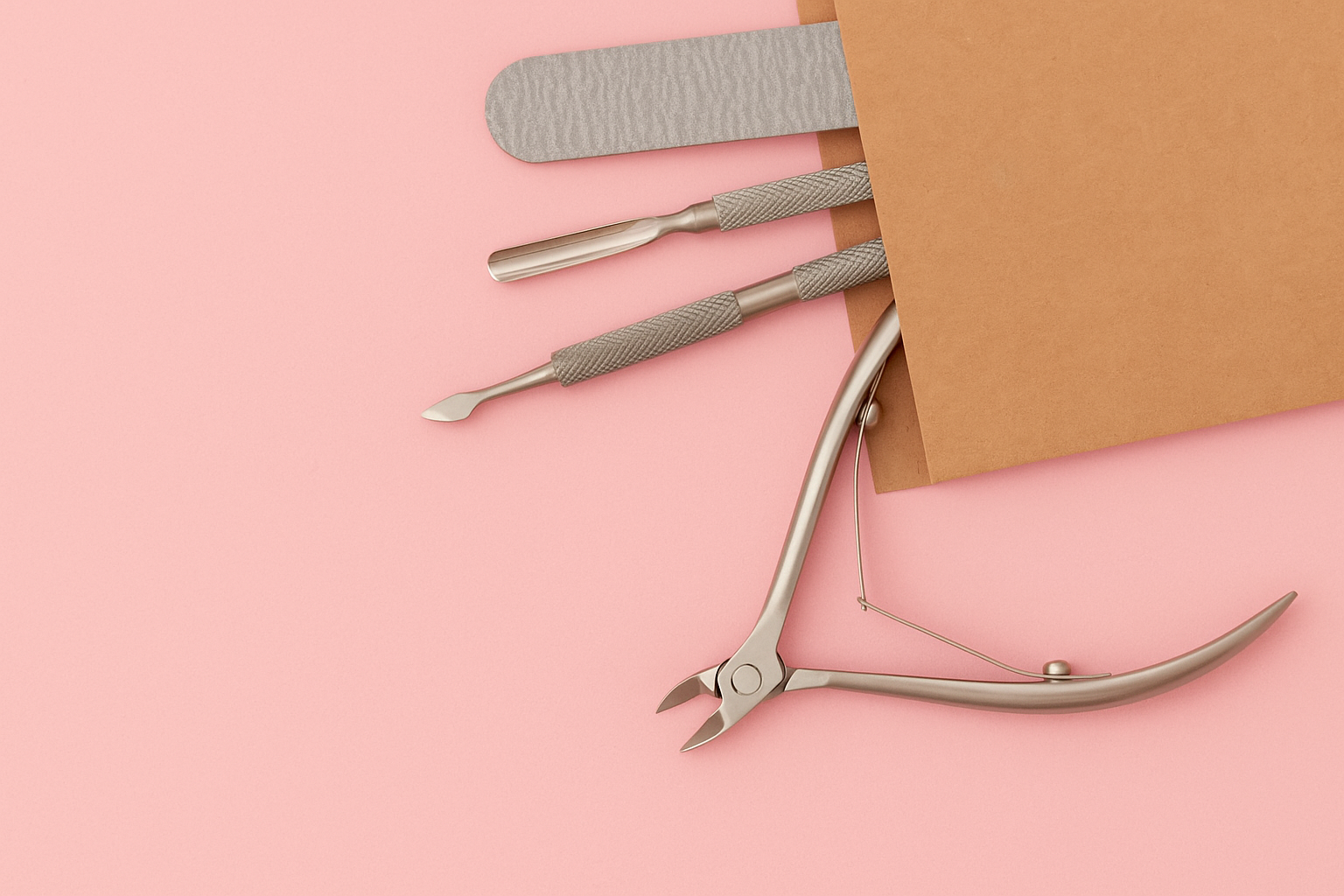
Nail tools—cutting nippers, metal files, pushers—come into contact with sidewalls, cuticles, and even microscopic skin injuries that are invisible to the naked eye. If these tools are not cleaned thoroughly, they can become a source of bacteria, viruses, and fungi, including pathogens that cause hepatitis and other serious infections.
Sterilization is a key step in the work of any manicure or pedicure professional. But it is also important to remember that its effectiveness depends on properly completing all preceding steps. Comprehensive treatment includes thorough cleaning, correct disinfection, proper sterilization, and safe storage of tools.
Only following the full processing cycle guarantees client safety and helps maintain the impeccable professional reputation of the technician.
In professional manicure salons, hygiene is not just about wiping tools or performing a “quick sterilization.” It is a comprehensive process that includes several essential steps, each of which is crucial for client safety and the longevity of the instruments.
Unfortunately, the beauty industry still often confuses disinfection with sterilization—two different, yet equally important procedures, without which it is impossible to ensure a truly high level of hygiene.
1. Cleaning the tools
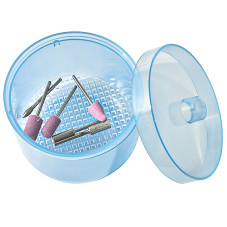
Mechanical cleaning is one of the key stages of the entire sterilization process. Tools should be thoroughly rinsed under a strong stream of water using a brush to completely remove dirt, dust, and residues of cosmetic products — this is especially important for drill bits. This step prevents contamination of disinfectant solutions and ensures the maximum effectiveness of subsequent processing stages.
2. Immersion disinfection
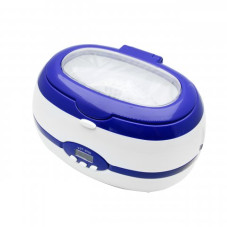
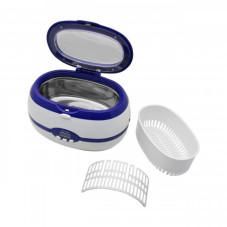
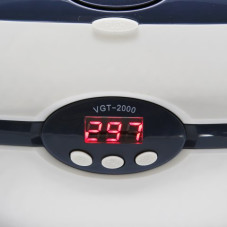
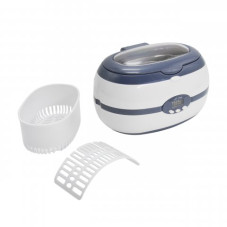
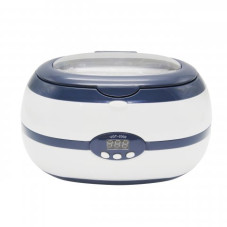
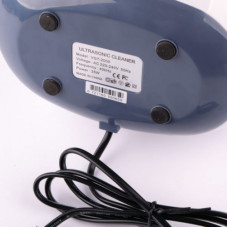
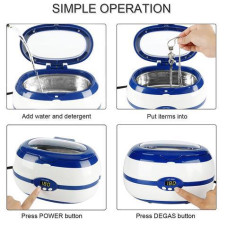
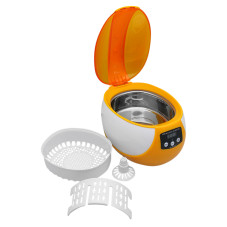
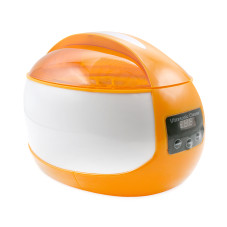
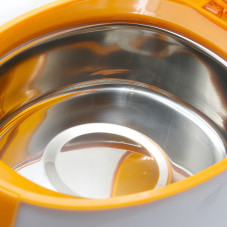
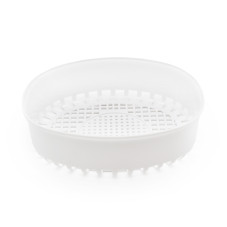
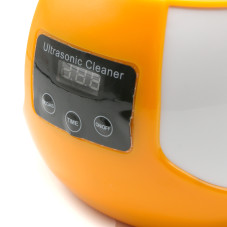
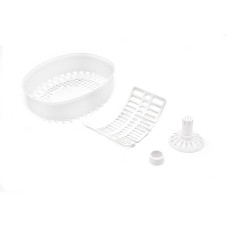
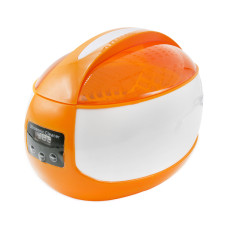
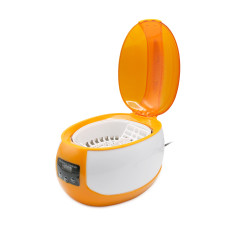
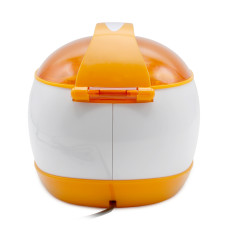
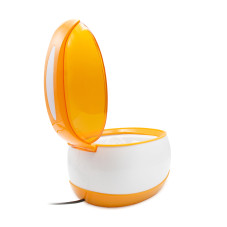
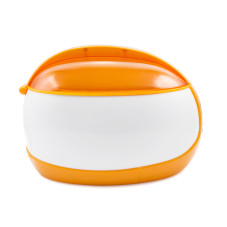
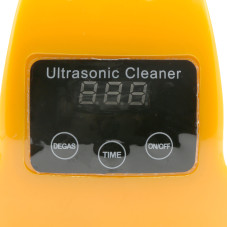
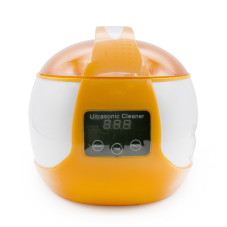
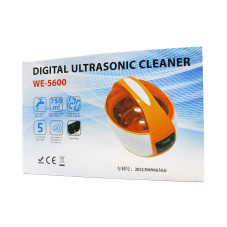
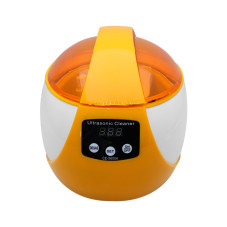
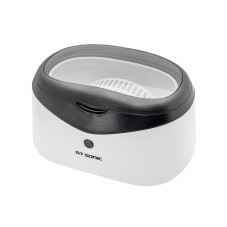
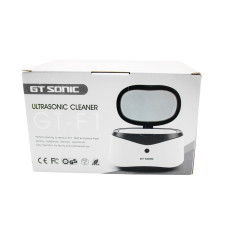
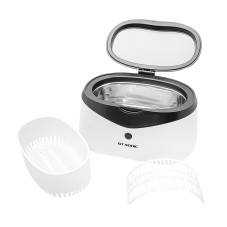
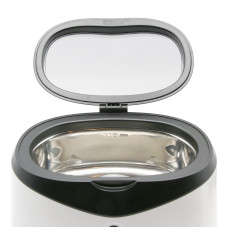
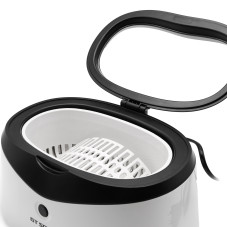
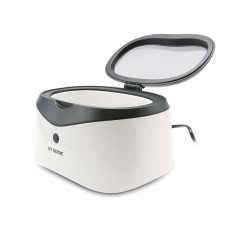
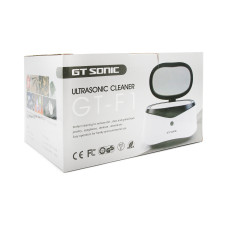
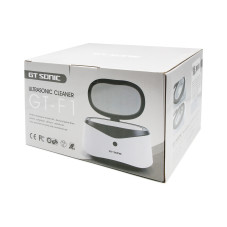
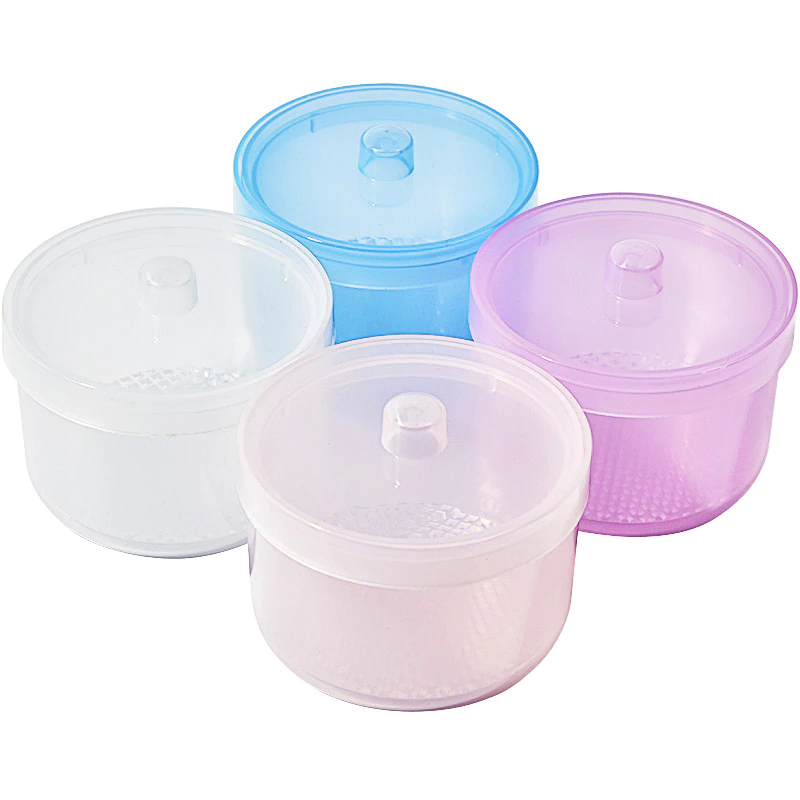
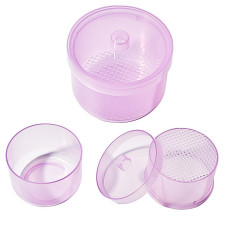
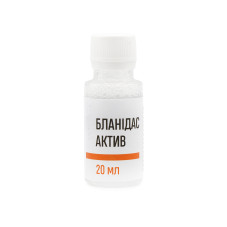
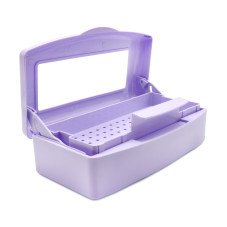
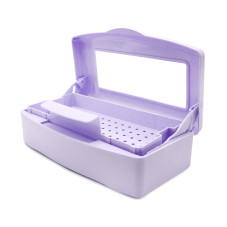
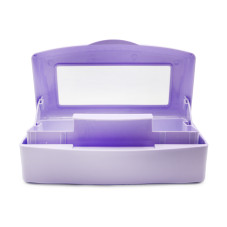
After cleaning, tools are placed in specialized disinfectant solutions for a specific period, depending on the type of solution and the required level of cleaning. It is important to note that immersion in a solution is not sterilization — it is a necessary preparatory step aimed at eliminating bacteria and microorganisms on the surface of the tools. For deeper and more uniform cleaning, many salons additionally use an ultrasonic bath, which effectively treats even hard-to-reach areas of the instruments.
3. Thorough rinsing and complete drying
After disinfection, the tools are thoroughly rinsed under a stream of clean water and left to dry completely. To speed up the process, they can be gently patted with a clean, dry towel.
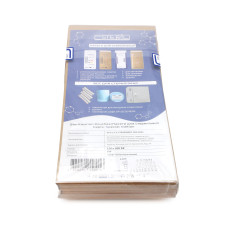
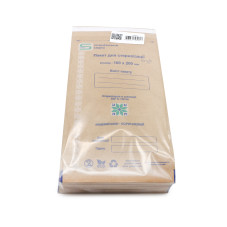
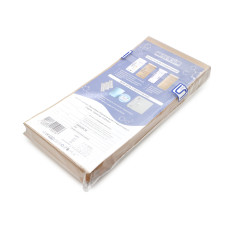
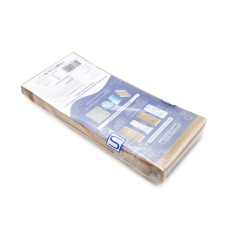
Instruments are packaged in individual pouches or compact sets specifically designed for sterilization. This packaging allows steam in an autoclave or hot air in a dry-heat sterilizer to pass through freely, while ensuring the contents remain completely sterile until opened in front of the client.
5. Sterilization
This is where the main difference between methods becomes apparent. Choose the appropriate option depending on your budget and the pace of your salon:
- Autoclave (steam sterilizer): Uses pressurized steam at high temperatures (approximately 121–134°C / 250–273°F) to destroy even bacterial spores — the most resistant pathogenic microorganisms. This is the safest and most effective method, considered a standard in the medical field. Additionally, the process is fast, controlled, and fully automated, making it ideal for busy salons.
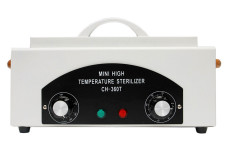
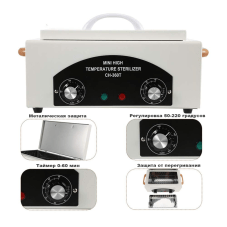
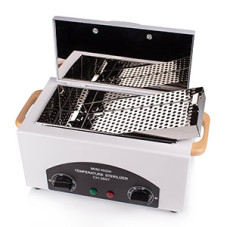
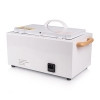
-Dry-heat sterilizer: A device that operates at high temperatures without generating steam. This method is effective but takes more time and requires the instruments to be completely dry before being placed inside. For this reason, many professionals prefer an autoclave, which provides higher precision, speed, and safety in instrument processing.
6. Storage of Sterile Instruments
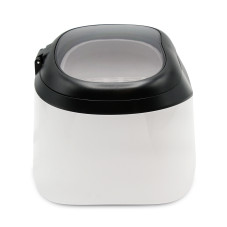
One often underestimated aspect of working with instruments is their proper storage. Ultraviolet cabinets can help with this. It is important to understand that these cabinets do not sterilize instruments; they merely maintain already sterile tools in optimal condition for extended periods. Such cabinets serve as the final stage of instrument processing, allowing tools to be stored under appropriate conditions until their next use.
⸻
Complete sterilization is not just about placing instruments in a solution or a device. It is a multi-step, complex process that requires strict adherence to all protocols, careful attention, and high-quality equipment. In a professional salon, every stage — from thorough cleaning to proper storage — must be carried out according to the highest standards. Using modern professional sterilizers ensures reliability and safety at every step, making sterilization a benchmark of professionalism.