How to Wash Hair Dye Out at Home: 6 Best Methods Recommended by Stylists

If home hair coloring has turned out poorly or you don’t have the opportunity to book a salon appointment, the desire to fix the color yourself is completely understandable. The good news is that there are expert-approved methods that can help soften or partially remove an unwanted shade at home.
Of course, professional correction remains the safest and most predictable option. But in emergency situations, home methods can also deliver noticeable results — especially since many of them use products you may already have at home, in your bathroom or kitchen.
Below you will find six effective methods that can help gently adjust the color and minimize hair damage if you still decide to act on your own.
Can hair dye be washed out at home?
When you decide to remove permanent hair dye at home, it is important to understand in advance how this process works and what results you can expect. When removing artificial pigment, a hidden orange-red undertone almost always appears. After that, the hair usually needs to be toned again to achieve the desired shade.
There are several methods for at-home color removal — from gentle ones based on clarifying shampoos to more intensive lightening products. However, the most noticeable results come from professional lightening formulas. Using bleaching powder or special color removers can lighten hair by several levels, while clarifying shampoos provide a milder effect and require regular use over several weeks. When choosing gentler methods, it is important to understand that they may not be effective on very dark or highly saturated shades.
Any at-home color removal methods, especially those involving lightening agents, can lead to dryness and damage. To remove artificial pigment, active chemical ingredients are required, and these often have a harsh effect and may produce uneven results.
Ultimately, it is important to remember: home methods do not guarantee significant or even lightening. The only way to radically change the shade is to consult a professional stylist. And if the hair is already weak or damaged, it is best to consult a specialist before any experiments.
Hair care depending on hair type
Removing (stripping) hair dye at home is a procedure that is not suitable for all hair types. First of all, it is important to consider that previously lightened hair has already undergone chemical processing, which makes it more vulnerable and prone to dryness and breakage. This also applies to fine hair, as well as cases where hair has been colored several times in a short period.
In terms of texture, such methods can be especially aggressive for fine and curly hair. Curly and coily hair is naturally drier, while fine hair is more fragile. Natural textures 1–3A tend to contain more natural oils, so they may tolerate such procedures better. However, types 3B–4C require special caution, as they retain moisture less effectively and at-home stripping can lead to significant dryness and damage.
How to remove hair dye at home
1. Vitamin C
One of the gentlest ways to partially lighten or remove hair dye at home is using vitamin C. Although vitamin C is a powerful antioxidant, it is also used to gently weaken cosmetic pigment.
It works by gradually breaking down and dissolving dye molecules in the hair, making the color less intense and noticeably fading over time.
What you need:
• Vitamin C (tablets or powder sachets)
• Water
• Vitamin C (tablets or powder sachets)
• Water
Process:
1. Mix powdered sachets or crushed tablets with a small amount of hot water until you get a smooth paste.
2. Apply the mixture to the hair, then cover with a plastic or shower cap and leave for 45 minutes.
3. Rinse thoroughly with warm or hot water until the product is completely removed.
Depending on hair type and desired result, several applications may be needed. However, even after the first use, you may notice the unwanted shade gradually becoming less intense and duller. The acid in vitamin C gently oxidizes the dye and weakens its bond with the hair.
2. Clarifying shampoo
We all know that properly chosen shampoos help maintain colored hair. So it is no surprise that clarifying shampoo works in the opposite way.
These shampoos are designed for deep cleansing: they remove minerals, dirt, and buildup from styling and chemical products — chlorine, silicones, and more. Along with this, they can also partially strip pigment, especially if it is not very permanent. After just one wash, a slight lightening may be noticeable, particularly with semi-permanent dyes.
What you need:
• Clarifying shampoo
• Water
• Intensive moisturizing mask (conditioner)
• Shower cap or plastic wrap
• Clarifying shampoo
• Water
• Intensive moisturizing mask (conditioner)
• Shower cap or plastic wrap
Process:
1. Apply clarifying shampoo, lather, and rinse as usual.
2. Gently squeeze out excess water without damaging the hair.
3. Shampoo again thoroughly, massaging the scalp until a rich lather forms.
4. Leave on for 5–10 minutes under a shower cap or plastic wrap.
5. Rinse thoroughly, then apply a nourishing mask. Always use conditioner afterward to seal the hair cuticle.
It is not recommended to perform this procedure too often, as hair and the scalp need natural oils. Excessive use of cleansing products can strip them away, leaving the hair drier and more vulnerable.
However, doing a double, more thorough wash several times in a row or every other wash is a relatively safe way to gradually remove an unwanted shade and stop using toning shampoos.
3. White vinegar
White vinegar is a versatile “super ingredient” that can do much more than it seems. It can enhance shine and help soften unwanted color after dyeing.
It works best on semi-permanent dyes and may slightly lighten permanent dye, but it cannot remove it completely.
What you need:
• White vinegar
• Water
• Shower cap
• Strengthening or repairing treatment
• White vinegar
• Water
• Shower cap
• Strengthening or repairing treatment
Process:
1. Mix half a cup of white vinegar with half a cup of warm water.
2. Apply to hair, cover with a shower cap, and leave for 15–20 minutes, then rinse thoroughly.
3. Repeat if necessary until the desired result is achieved.
4. If used three days in a row, it is recommended to apply a repairing treatment afterward to restore hair structure.
1. Mix half a cup of white vinegar with half a cup of warm water.
2. Apply to hair, cover with a shower cap, and leave for 15–20 minutes, then rinse thoroughly.
3. Repeat if necessary until the desired result is achieved.
4. If used three days in a row, it is recommended to apply a repairing treatment afterward to restore hair structure.
4. Dishwashing liquid
Use with caution: although dishwashing liquid can be more effective than some home methods, it can significantly damage hair with repeated use.
It is not designed for hair care and contains strong cleansing agents not found in professional shampoos. It helps remove color faster but may cause dryness.
What you need:
• Dishwashing liquid
• Water
• Conditioner
• Protein or repairing treatment
• Dishwashing liquid
• Water
• Conditioner
• Protein or repairing treatment
Process:
1. Apply to wet hair, lather thoroughly, and leave for about five minutes.
2. Rinse completely.
3. Apply a good conditioner — this step is essential.
4. Follow with a protein or restorative treatment if available.
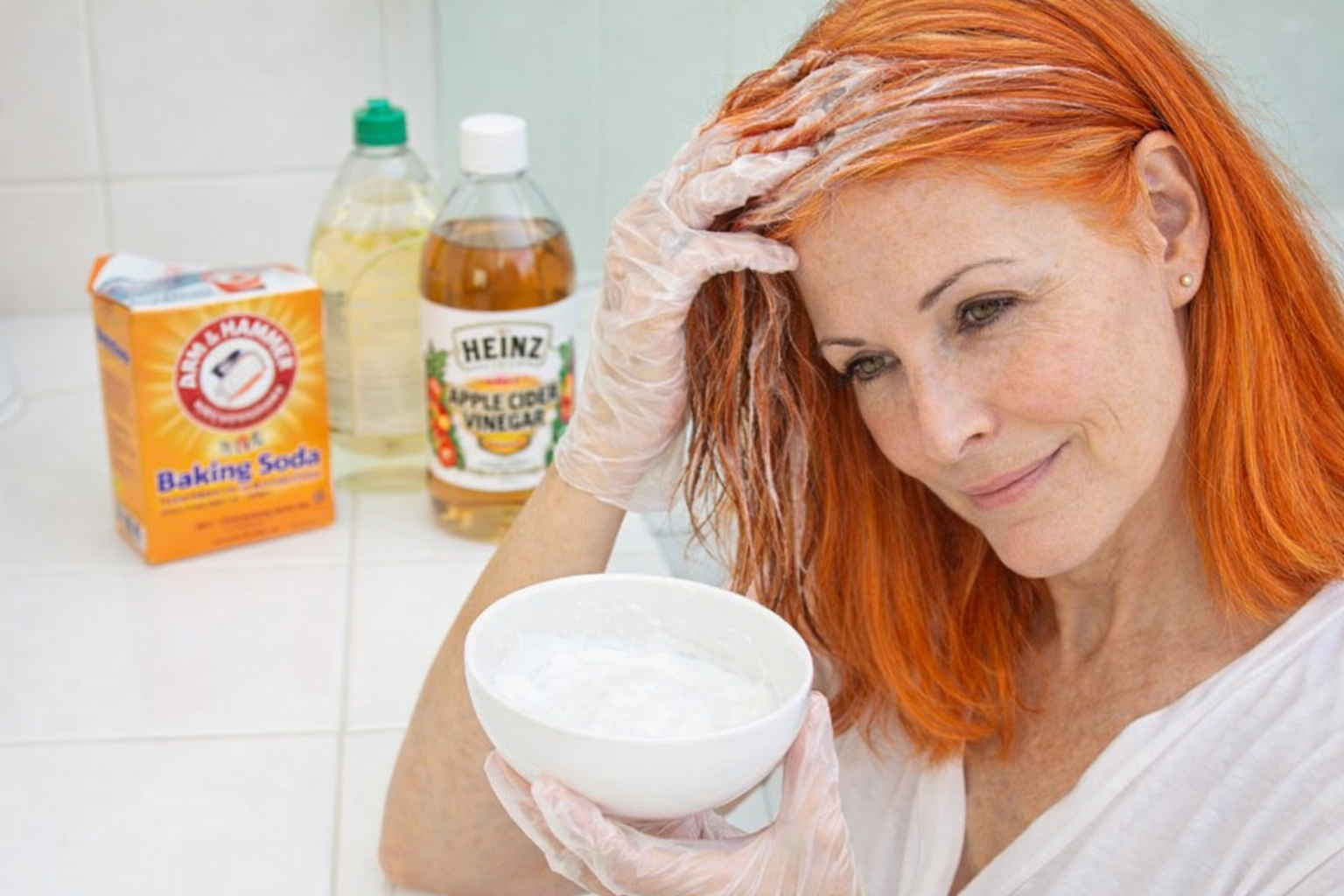
5. Baking soda
Baking soda is often used in home hair care for gentle cleansing and mild lightening. It acts as a mild abrasive that removes pigment from the surface of the hair.
It is especially effective within the first 1–4 days after dyeing and can be useful for quick correction if the color result is not as expected.
What you need:
• Baking soda
• Water
• Conditioner
• Baking soda
• Water
• Conditioner
Process:
1. Mix 2 tablespoons of baking soda with half a cup of water. Apply to damp hair.
2. Distribute from roots to ends and gently massage for about 10 minutes, then rinse thoroughly.
3. Apply conditioner to restore moisture and smoothness.
6. Sulfur-based hair color removers
Sulfur-based color removers can be effective but must be used strictly according to instructions, as they can significantly dry out the hair.
After using such products, it is usually recommended to avoid dyeing hair for several months. If you plan to recolor sooner, consult a specialist to avoid damage.
What you need:
• Color remover (as directed)
• Water
• Conditioner
• Any additional products listed in instructions
• Color remover (as directed)
• Water
• Conditioner
• Any additional products listed in instructions
Process:
1. Mix and apply according to instructions.
2. Leave for the recommended time, then rinse thoroughly.
3. Apply conditioner and include it in your regular care routine to restore moisture.
⸻
It is indeed possible to remove hair dye at home, but it’s important to consider that the more permanent and intense the dye used, the higher the risk of dryness, breakage, and damage when attempting to remove pigment on your own.
Home methods work best with semi-permanent dyes or in cases where you only need to slightly adjust the shade. If the color is dark, dense, or permanent, it will be significantly more difficult to remove it completely without professional products.
The most gentle and simple option is using a clarifying shampoo. It gradually washes out excess pigment and can slightly lighten the shade, especially if the coloring result turned out darker than expected. However, deeper and darker tones usually require a professional approach and salon treatments.
At the same time, even in a salon, removing dark pigment does not always give a predictable result: the color may turn out uneven, and after the procedure additional toning or re-dyeing is often needed to even out the shade.
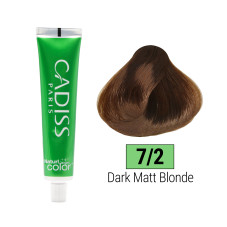
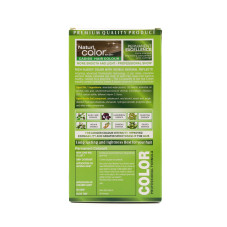
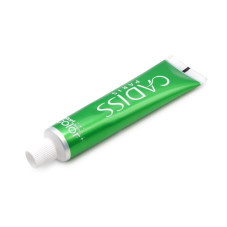
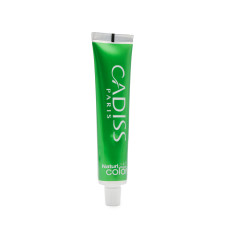
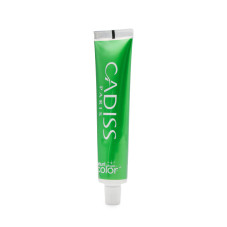
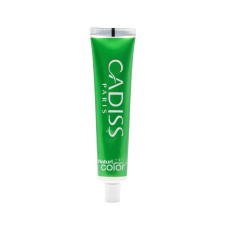
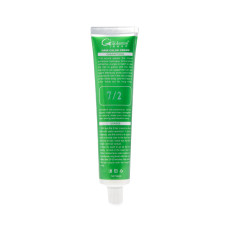
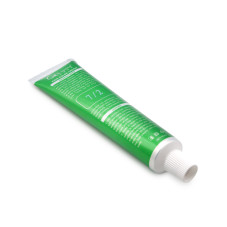
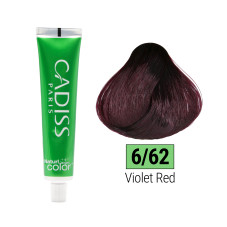
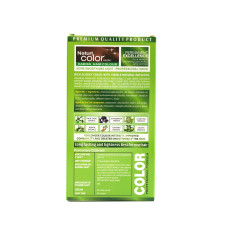
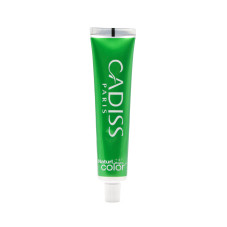
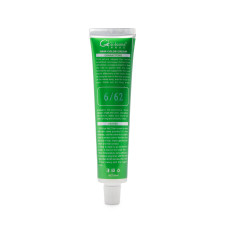
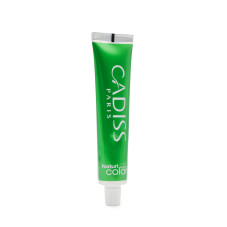
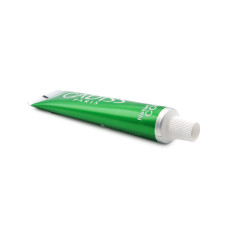
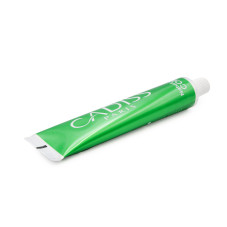
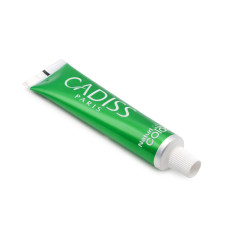
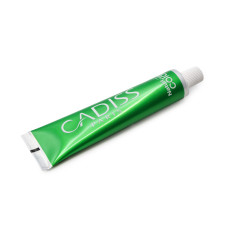
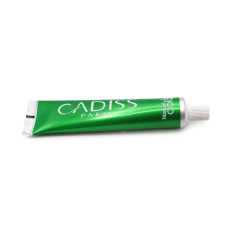
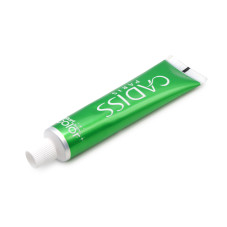
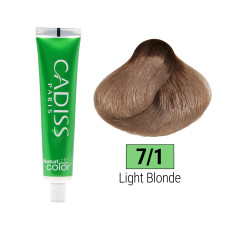
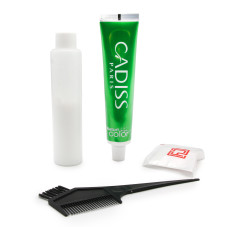
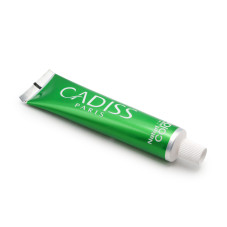
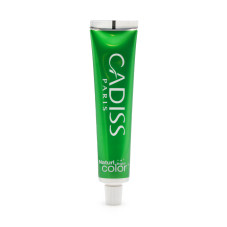
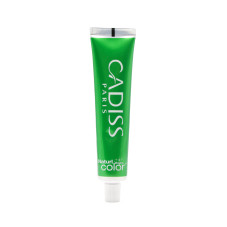
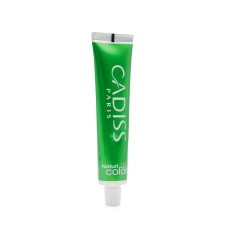
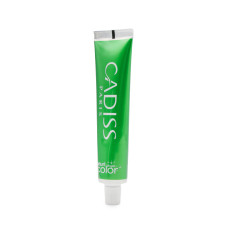
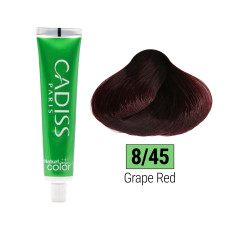
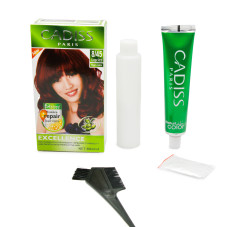
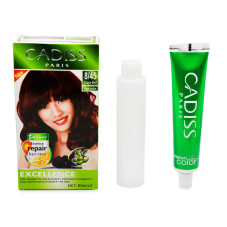
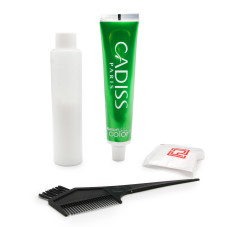
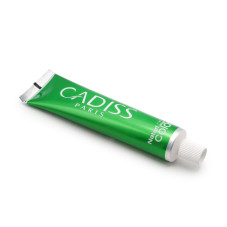
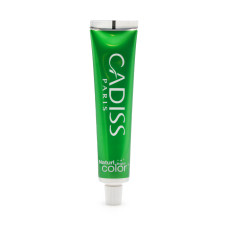
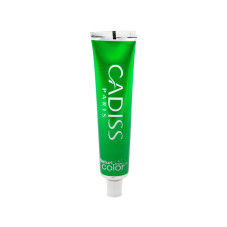
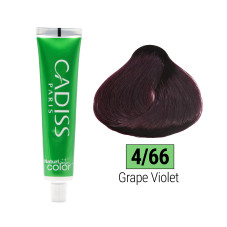
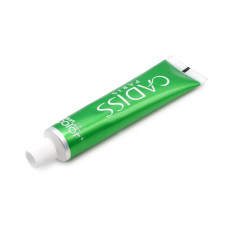
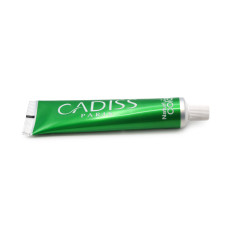
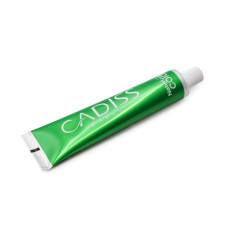
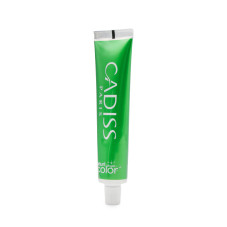
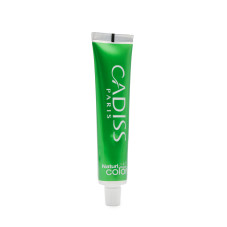
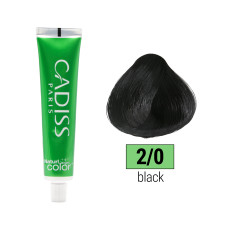
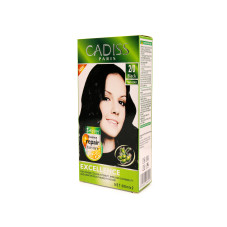
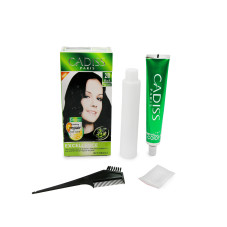
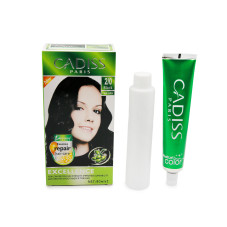
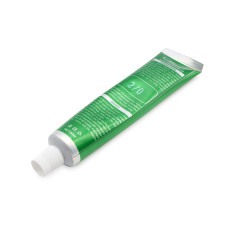
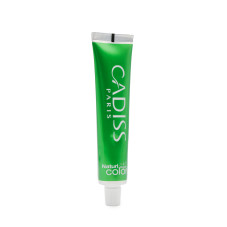
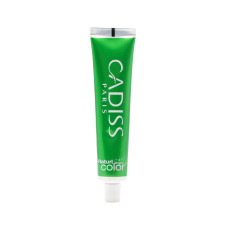
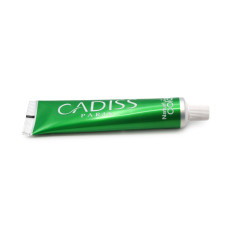
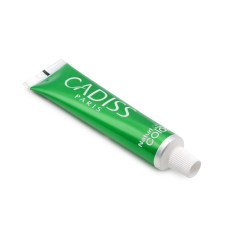
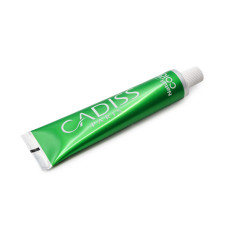
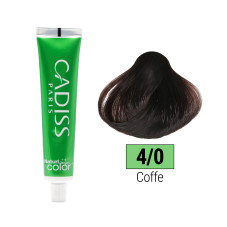
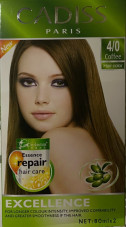
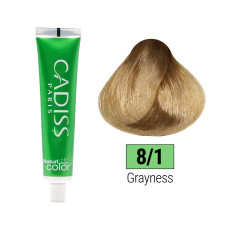
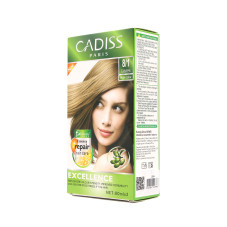
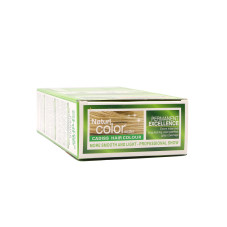
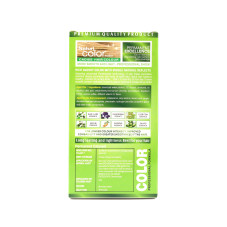
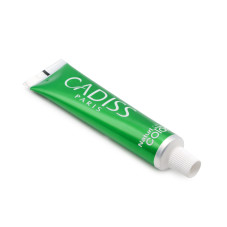
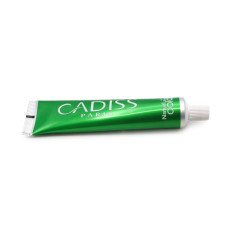
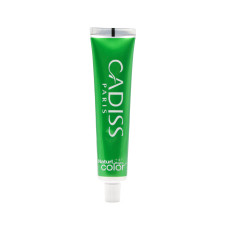
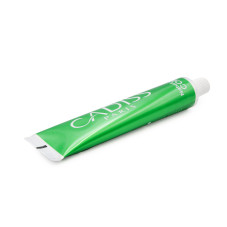
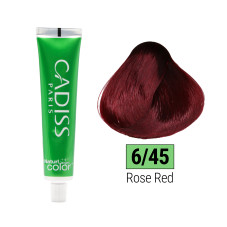
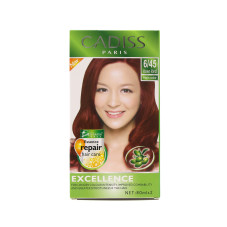
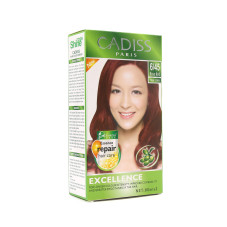
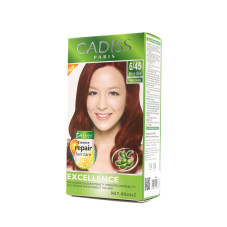
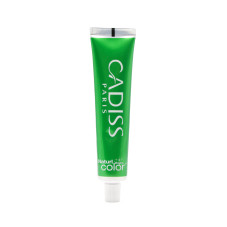
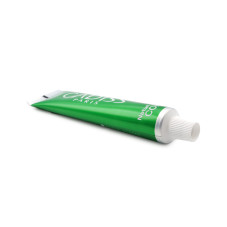
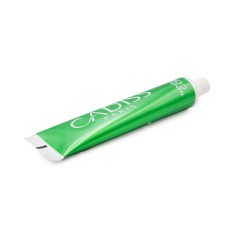
Professional hair dye for gray hair at an affordable price.
Provides long-lasting color and 100% gray coverage.
Fast results — in just 30 minutes, without loss of intensity and shine.
Read also: Can you dye dark hair at home: the best dyes for dark hair and coloring tips
Provides long-lasting color and 100% gray coverage.
Fast results — in just 30 minutes, without loss of intensity and shine.
Read also: Can you dye dark hair at home: the best dyes for dark hair and coloring tips
Published: 24.03.2026 11:45
Times Read: 5236
8347 bought
ID: 3678
120 MDL
3894 bought
ID: 3688
180 MDL