Are Gel, Acrylic, and Traditional Manicures Harmful? The Truth and How to Do Manicures Safely

Whether you visit a salon every two weeks for a gel manicure or only occasionally get a regular polish, sooner or later the question arises: “Does a manicure harm my nails?” As with many beauty treatments, there’s no simple answer. There are certain risks, but with the right precautions, a manicure can be not only safe but also beneficial for your nails.
Read our latest article to learn everything about manicure safety and get useful professional tips.
Is a traditional manicure harmful?
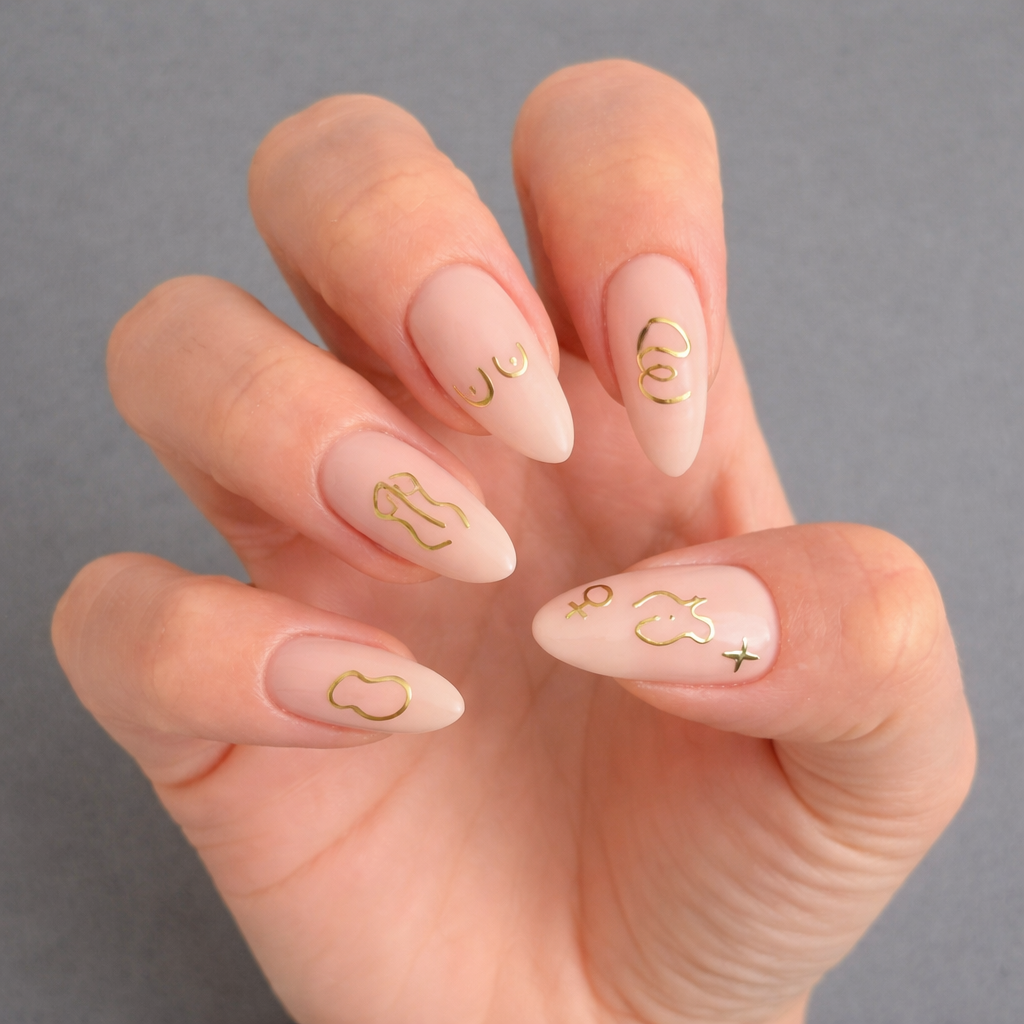
When you go to a salon for a manicure, it’s important to be aware of some potential risks. Let’s start with the composition of the cosmetic products used. Nail polishes often contain common contact allergens such as tosylamide/formaldehyde resin, dibutyl phthalate, toluene, and triphenyl phosphate. Contact allergies can manifest as redness, swelling, or irritation of the skin around the nail. Sometimes they even appear on the eyelids — the skin there is especially thin, and we often touch our face with our hands.
Risks can also be related to the technician’s technique. If you felt discomfort or pain during a manicure, it’s a sign to pay attention to the method used. Excessive cuticle removal, pushing back the cuticle too forcefully with metal tools, or using an electric file can damage the cuticle and the nail matrix — the center responsible for nail growth.
It’s also important not to forget the nail polish removal process, which can negatively affect nail health. This is especially true for acetone-based removers: they severely dry out the nail plate and surrounding skin, leading to brittleness and irritation. Therefore, it’s recommended to choose acetone-free products with moisturizing components that support nail health.
Is gel manicure harmful?
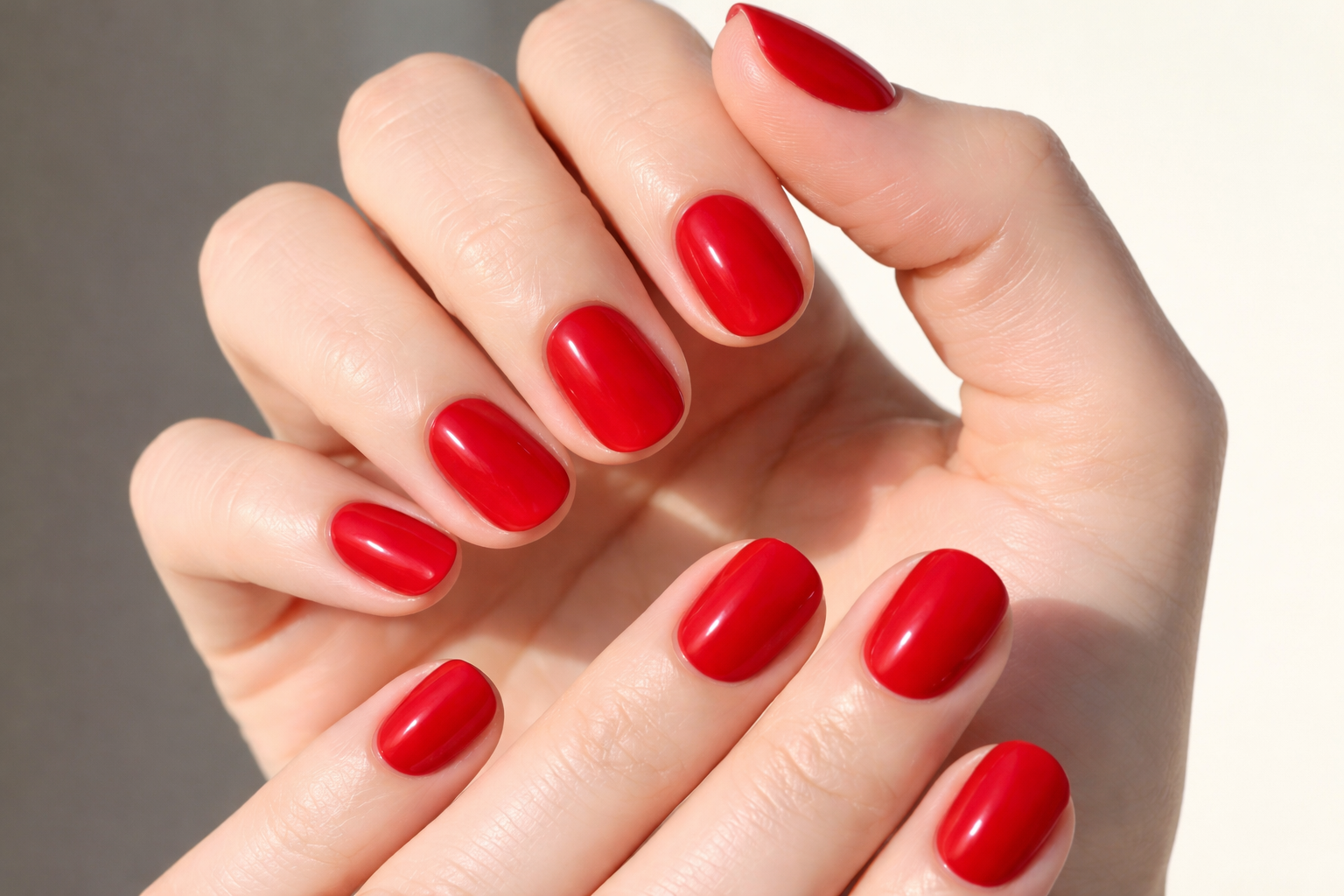
How Safe Is Gel Manicure? Let’s Find Out
Removal Process
Just like with a regular manicure, removing gel polish can negatively affect nail health. The process involves prolonged soaking of the nails in acetone, which can strip the top layer of the nail plate, dry out the cuticles, and thin the nails. Additional risk of damage arises from excessive scraping or using an electric file, which can further weaken and thin the nail plate.
Exposure to Ultraviolet Light
To set a gel manicure, nails need to be cured under a UV or LED lamp. Ultraviolet radiation can contribute to photoaging — the premature aging of the skin.
However, to accurately assess the risks associated with using UV lamps during a manicure, more research is needed. It depends on the type of lamp, curing time, distance of the skin from the light source, skin type, and frequency of procedures. We know that regular UVA exposure from the sun or tanning beds can cause mutations and increase the risk of skin cancer, but the question of how dangerous a gel manicure is remains open. Prospective studies are required, tracking participants who regularly get gel manicures over time.
As a precaution, if you cure your nails under a UV lamp, apply sunscreen to your fingers or use protective gloves to minimize UV exposure to the skin.
Is Acrylic Manicure Harmful?
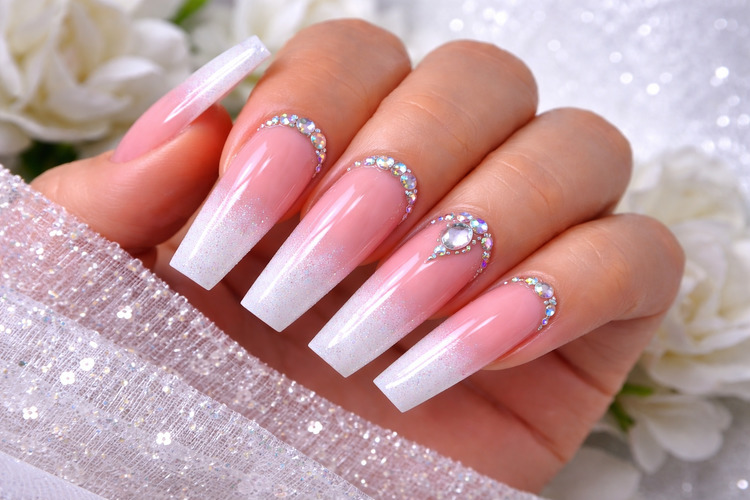
Acrylic manicures, like other nail enhancement techniques, carry certain risks, including contact allergies and damage to the nail plate during both application and removal. If the procedure is done incorrectly, acrylic can weaken the nail bed, make nails thin and brittle, and in some cases, trigger fungal infections. Additionally, moisture trapped between the acrylic and the natural nail creates a favorable environment for bacteria and fungi to multiply.
Most damage occurs during the removal of acrylic. Therefore, it is extremely important to strictly follow the manufacturer’s instructions. In some salons, a nail drill is used for removal, which, if used improperly, can injure the nail and compromise the protective barrier of the cuticle.
How to Make Your Manicure as Safe as Possible
Here are a few tips to make your manicure safer:
Traditional Manicure
• Choose acetone-free nail polish removers.
• If you have sensitive skin or are prone to contact allergies, opt for nail polishes labeled “10-free.” These do not contain 10 common chemicals often used in nail polish that can trigger unwanted reactions.
• If you have sensitive skin or are prone to contact allergies, opt for nail polishes labeled “10-free.” These do not contain 10 common chemicals often used in nail polish that can trigger unwanted reactions.
• Only visit reputable salons where technicians use proper techniques and thoroughly disinfect their tools.
• Consider skipping cuticle trimming during your manicure. The cuticle serves an important protective function, shielding the nail plate from external pathogens.
Gel Manicure
Gel Manicure
The main potential risk of a gel manicure is exposure to UV rays. However, there is a simple and safe way for salon clients to protect themselves: sunscreen and special gloves with cutouts for the fingertips. These products are widely available and should definitely be offered in beauty salons. It is recommended to apply sunscreen 30 minutes before the procedure and ask the technician not to remove it during the manicure. This way, all exposed areas of the skin not covered by the gloves will be reliably protected from ultraviolet radiation.
Acrylic Manicure
Most nail damage from acrylics occurs during removal, so extra caution is needed at this stage. When soaking in acetone, it is recommended to protect the cuticles and surrounding skin by applying a nourishing or oily cream. Under no circumstances should you try to remove acrylics yourself by peeling them off, as this can seriously damage the nail plate.
⸻
Manicure itself does not harm the nails, but it is important to follow certain precautions to protect the health of your nails and the surrounding skin.
Any type of manicure—classic, gel, or acrylic—can negatively affect nail condition if not done properly. The most common issues include allergic reactions to nail polish ingredients, dryness and weakening of the nails due to harsh nail polish removers, exposure to UV lamps during gel manicures, and damage to the cuticle or nail plate from certain treatment techniques.
To minimize these risks, it is recommended to follow simple rules: use acetone-free nail polish removers, protect your hands and nails with sunscreen and gloves before a gel manicure, and maintain regular care for your cuticles and nail plate. Following these measures will help keep your nails healthy and beautiful.
Published: 27.03.2026 13:58
Times Read: 1495
8347 bought
ID: 3678
120 MDL

3894 bought
ID: 3688
180 MDL