How to Make Tinted Moisturizer at Home: 3 Simple Recipes for Fair, Medium, and Dark Skin Tones Recommended by Dermatologists
When it comes to makeup, foundation and concealer often get all the admiration. But that doesn’t mean other face products are any less important. A perfect example is tinted moisturizer.
Tinted moisturizers are lightweight hydrating products with a hint of color that give the skin a fresh, natural look. They don’t provide heavy coverage but gently enhance the skin’s natural beauty, like a subtle filter.
Cosmetic stores and pharmacies offer plenty of options, but here’s a little secret: you can make your own tinted moisturizer at home. The simplest way is to mix a bit of foundation into your favorite moisturizer. But there are even healthier options that not only create the perfect shade but also take care of your skin.
To prove their effectiveness, we’ve prepared three tried-and-true recipes for tinted moisturizers for fair, medium, and dark skin tones. Discover how ordinary kitchen ingredients can even out your complexion while providing real benefits.
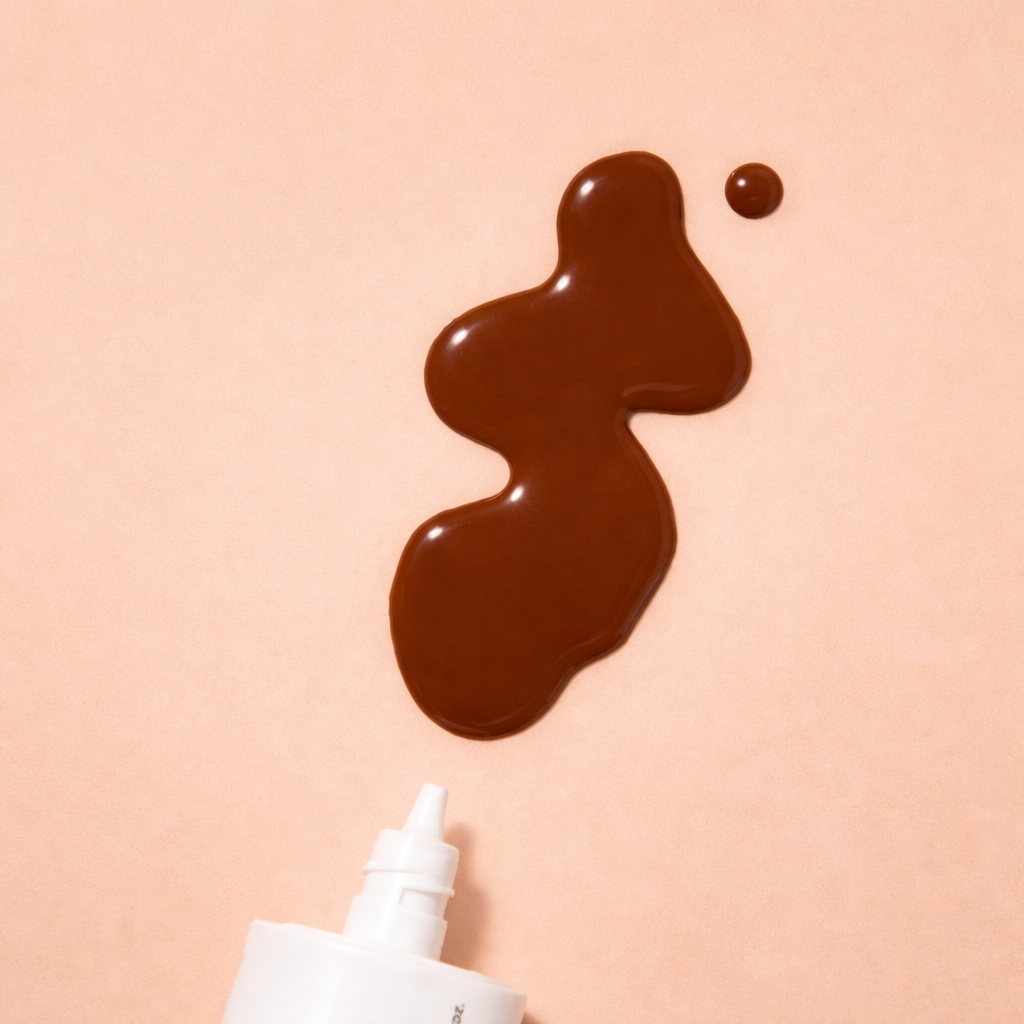
1. For dark skin: clove-based tinted moisturizer . We especially value clove for dark skin care. Its rich shade is easy to adjust—simply add more or less according to your preference. Beyond its aesthetic appeal, clove has beneficial properties for the skin: it is known for its antibacterial and anti-inflammatory qualities, making it an excellent choice for acne-prone skin.
Moreover, thanks to its high antioxidant content, clove helps fight free radicals and slows the appearance of aging signs, keeping the skin youthful and radiant.
Below, you’ll find detailed instructions for making a tinted moisturizing cream with clove, specially designed for dark skin.
Materials:
• Small jar • Tablespoon • Your favorite moisturizer • Ground cloves
Instructions:
1. Take one tablespoon of your favorite moisturizer and place it into a small jar. 2. Add a pinch of ground cloves to the cream and gently mix with a spoon. 3. Continue adding cloves until you reach your desired shade. 4. Mix thoroughly to prevent clumps of clove from forming. 5. First, test the product on the inner wrist to ensure the color is right and that there’s no irritation. If the test is successful, you can make a larger batch and use it for several weeks or months.
Shelf life: Dried ground cloves retain their properties for two to three years. Since moisturizers are typically good for up to 12 months after opening, adding cloves will not shorten the product’s shelf life, so there’s no need to worry.
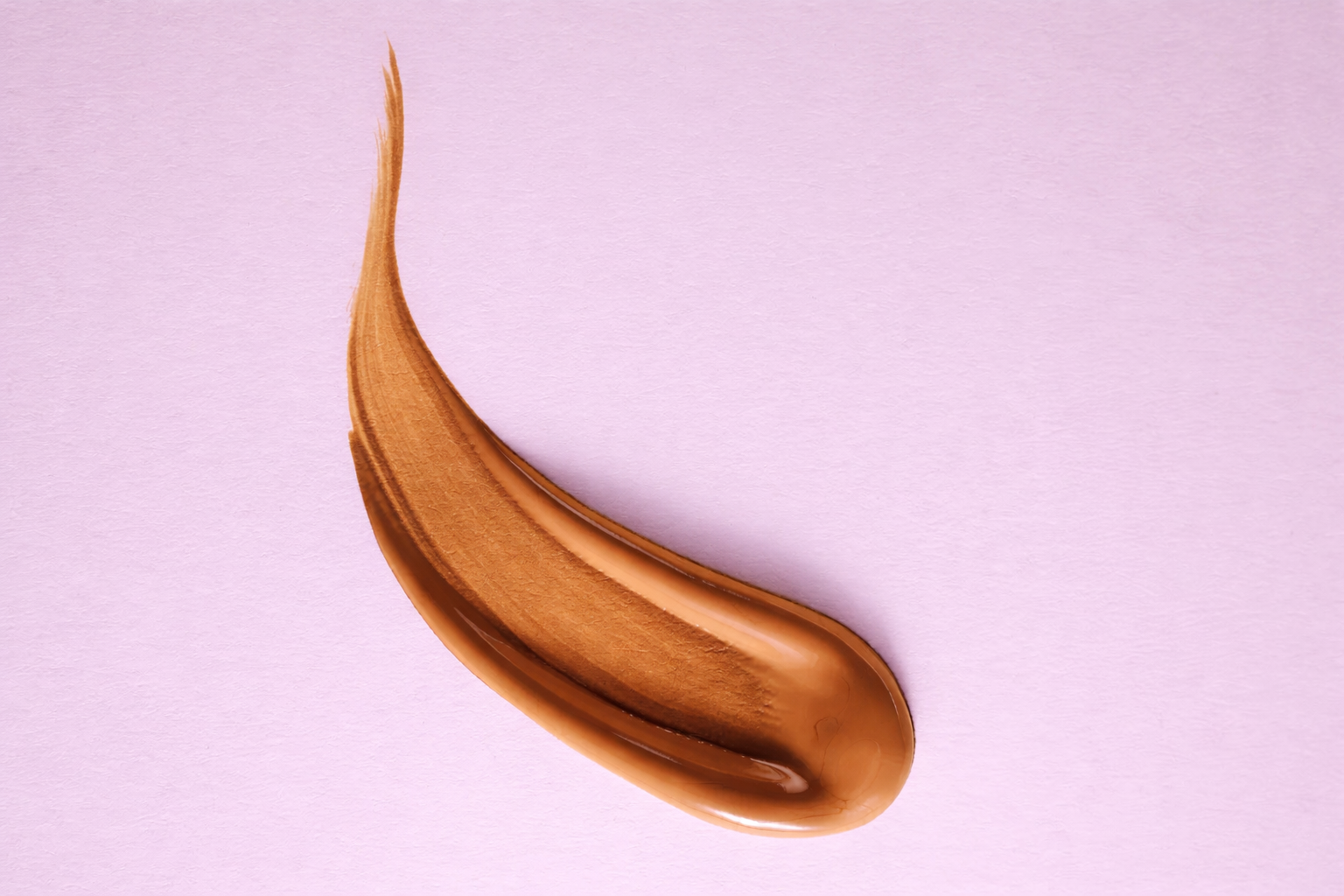
2. For medium skin tones: a tinted moisturizer with cocoa . We recommend using cocoa for medium-toned skin due to its warm brown hue. But cocoa does much more for the skin than just adding color. It’s rich in antioxidants: flavanols help combat damage caused by free radicals, improving skin elasticity and overall appearance. Additionally, cocoa contains polyphenols—another type of antioxidant that protects the skin from UV damage. Of course, this does not replace sunscreen, which remains essential. Thanks to its high fatty acid content, cocoa also has moisturizing properties, making it particularly beneficial when combined with a tinted moisturizer for dry or combination skin.
To make a cocoa tinted moisturizer for medium-toned skin, follow the instructions below.
Materials:
• Small jar
• Tablespoon
• Your favorite moisturizer
• Cocoa powder
Instructions:
1. Scoop a tablespoon of your favorite moisturizer into a small jar. 2. Add cocoa powder to the cream and mix thoroughly with a spoon until smooth. 3. Gradually add more cocoa until you achieve the desired shade. 4. Mix thoroughly to eliminate any lumps and ensure a uniform consistency. 5. Before using, apply a small amount to the inside of your wrist to ensure the color is right and doesn’t cause irritation. If the test is successful, you can make a larger batch for use over the next few days, weeks, or months.
Shelf life: Cocoa powder remains fresh for up to one year after opening. It is therefore recommended to make small batches of this tinted moisturizer to avoid mixing fresh cream with nearly expired cocoa.
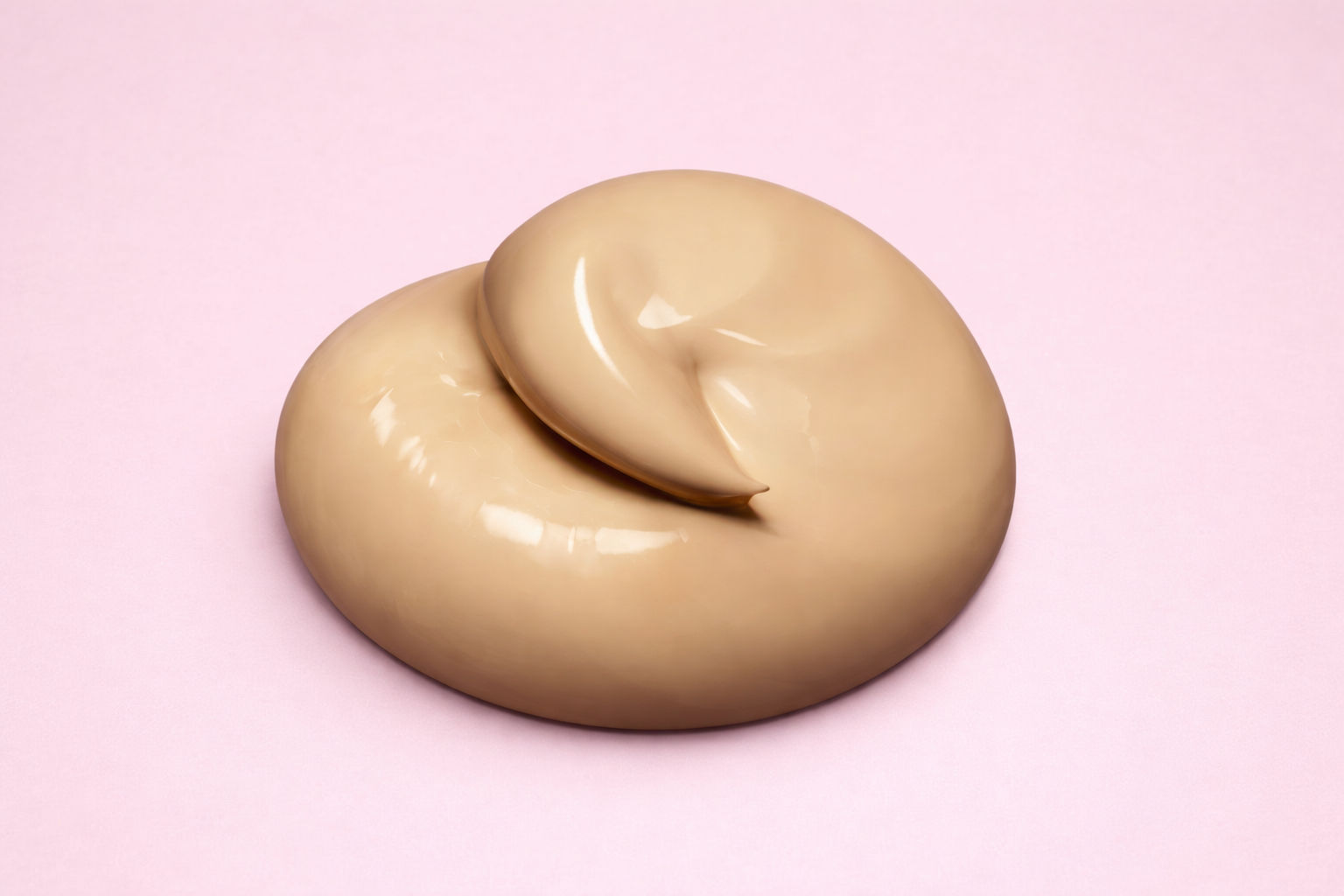
3. For Fair Skin: Tinted Moisturizer with Nutmeg . Nutmeg has properties that help even out skin tone and improve pigmentation. It can also act as a gentle exfoliant, subtly renewing skin texture and giving a more uniform appearance. As with any exfoliant, it’s important not to use nutmeg too aggressively to avoid damaging the skin’s protective barrier. Nutmeg can also reduce bacteria and inflammation, making it suitable for acne-prone skin.
To make a tinted moisturizer with fresh nutmeg infusion for fair skin, follow these steps:
Materials:
• Small jar
• Tablespoon
• Your favorite moisturizer
• Ground nutmeg
Instructions:
1. Scoop a tablespoon of your favorite moisturizer into a small jar. 2. Sprinkle ground nutmeg into the cream and mix with a spoon. 3. Gradually add more nutmeg until you achieve the desired shade. 4. Mix thoroughly to ensure a smooth, lump-free consistency. 5. Apply a small amount to the inside of your wrist to ensure it matches your skin tone and does not cause irritation. If your skin responds well, you can make a larger batch and enjoy your new favorite product.
Shelf life: Ground nutmeg retains its properties for about two years, so it can be safely added to your favorite moisturizers without shortening their shelf life.
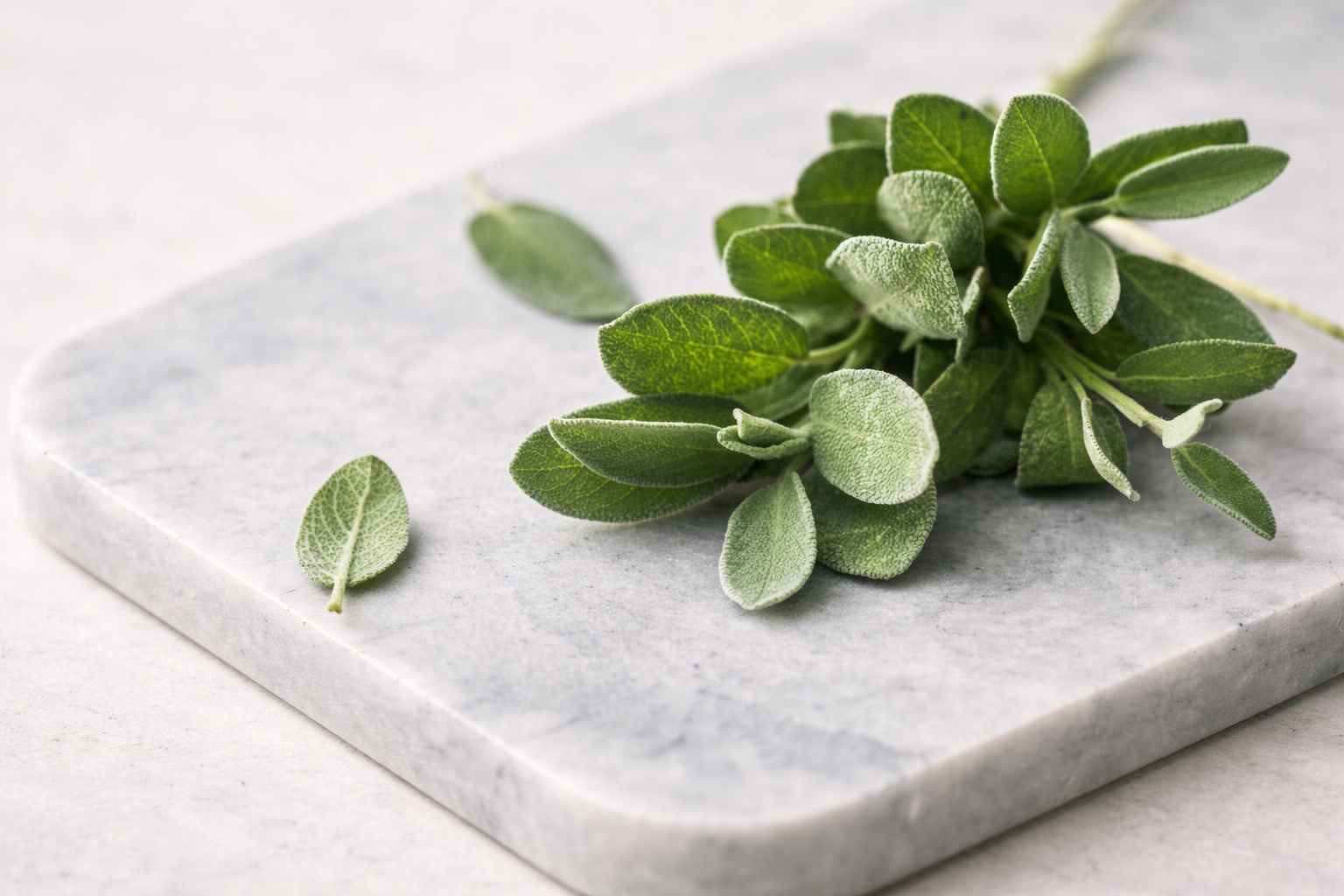
If your skin tends to have reddish undertones, adding a pinch of sage to any of the previous mixtures can help neutralize excess redness. It is especially effective in concealers to create a more even skin tone.
Besides its color-correcting effect, sage has anti-inflammatory, antimicrobial, and antioxidant properties, making it a valuable ingredient for skincare. It is also believed to stimulate collagen production, which supports anti-aging care.
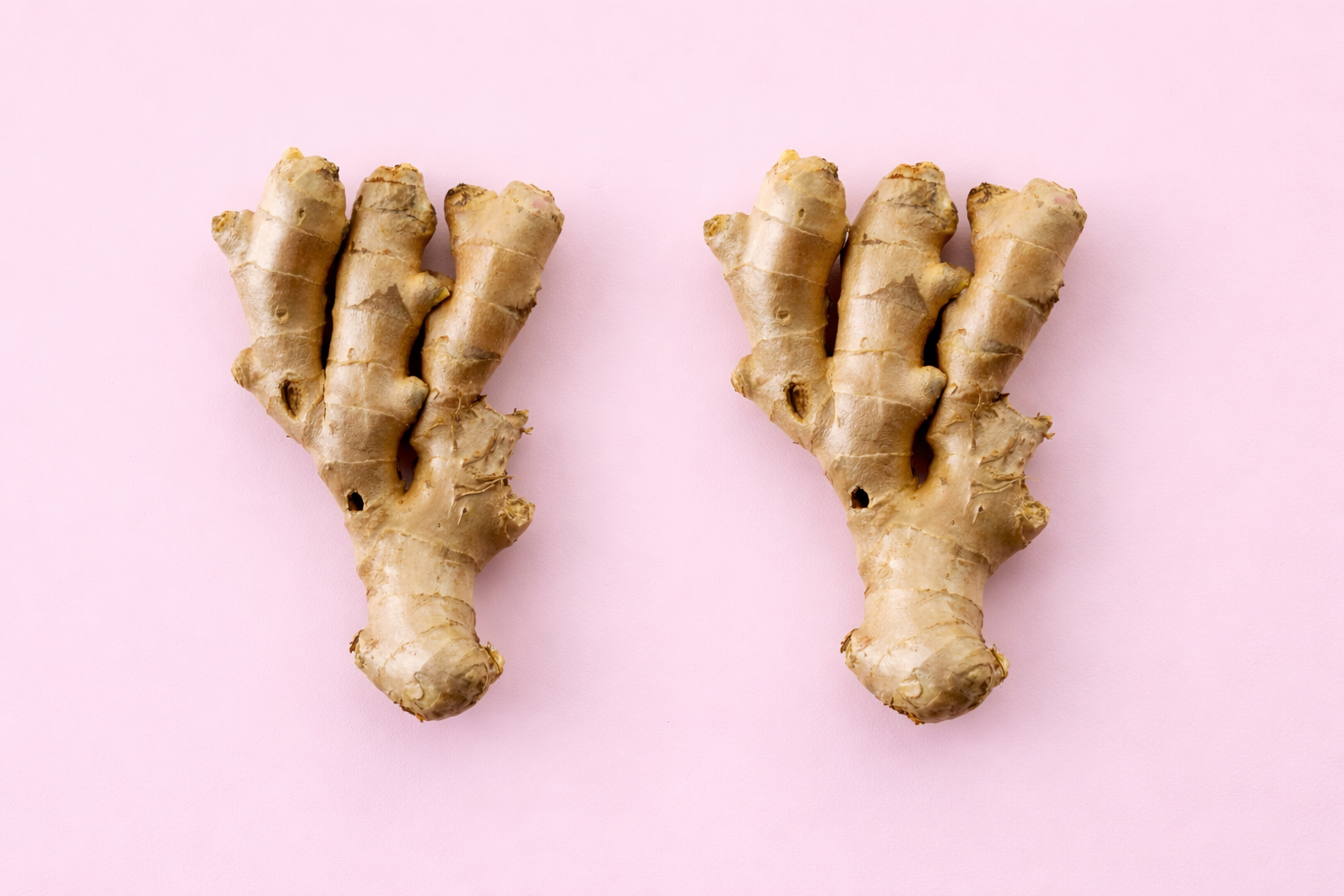
5. Ginger Blend for Cool, Blue Undertones . If your skin has cool blue undertones, we recommend adding ginger to any of the three recipes above, as it helps visually balance the skin tone.
Ginger is valuable not only as a color-correcting ingredient. It has powerful rejuvenating and anti-inflammatory properties. Rich in antioxidants, particularly gingerol, it protects the skin from free radical damage and helps even out skin tone. These qualities make ginger especially beneficial for those dealing with pigmentation spots or discoloration.
⸻
Creating high-quality tinted and moisturizing products at home is easier than it seems. These recipes are fully customizable, allowing you to adjust the ingredients according to your desired shade and skin type. Ingredients recommended for fair, medium, or dark skin tones can be added in larger or smaller amounts to achieve the perfect result. All ingredients have natural brown tones, making them versatile for different neutral skin shades.
Although these products can be beneficial, it’s important to use kitchen ingredients with caution: high concentrations may cause irritation or increased sensitivity. The good news is that, when used in moderation, the risk is minimal. If discomfort or irritation occurs, keep a record of the ingredients used—this can help a dermatologist quickly identify the cause and recommend a safe solution.