How to Care for Cuticles at Home Without Cutting Them: 6 Expert Tips

If you’re like most of us, you probably don’t think about your cuticles very often — except maybe at the salon when your nail technician asks whether to trim them or not. Spoiler alert: it’s better to avoid this procedure — and here’s why.
In fact, cuticles serve a much more important function than they might seem to. They are not just a thin strip of skin at the base of the nail, but a fully functional protective barrier.
The cuticle acts like a shield: it seals the space between the skin and the nail plate, preventing water, moisture, and bacteria from entering. It is often compared to grout between tiles — it holds everything “in place” and helps prevent damage.
That’s why cuticle care is not only about a neat appearance, but also about nail health. The more gently you treat them, the stronger, more beautiful, and more damage-resistant your nails will be.
What is a cuticle?
The cuticle is a thin protective layer of dead (keratinized) skin at the base of the nail. It plays an important role by preventing bacteria and other harmful factors from reaching the nail matrix, which is essential for healthy nail growth.
The good news is that caring for your cuticles at home does not require complicated procedures or a lot of time. Simple and effective habits are enough. Keep reading to discover six expert tips that will help you provide your cuticles with gentle and proper care.
1. Don’t cut the cuticles…
In salons, fairly aggressive cuticle removal methods are often used—either trimming with nippers or applying liquid removers—and both options can potentially damage the skin. Preserving the cuticle in its intact state helps reduce the risk of infection and minimizes unnecessary impact on the nail bed.
2. …Instead, gently push the cuticles back
2. …Instead, gently push the cuticles back
Overgrown cuticles can indeed look untidy, and since full removal is not recommended, the most appropriate solution is gentle and careful pushing. Technique plays a key role here.
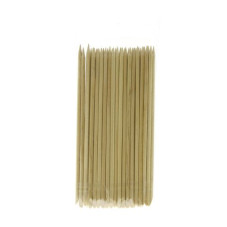
Aggressive actions—such as using metal tools or applying strong pressure with an orange stick—can damage the nail matrix, the growth area of the nail. This small semicircular area at the base of the nail plate is responsible for its formation and smooth structure. If this area is repeatedly damaged, the nail may start growing unevenly, with ridges and deformities.
A much safer approach is to use the most delicate method possible. For example, during a shower, the cuticles can be gently pushed back with a soft washcloth—without force or pressure. Warm water naturally softens the skin, making the process more comfortable and safer.
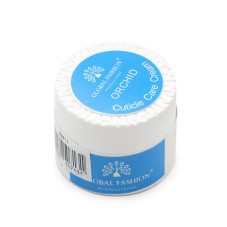
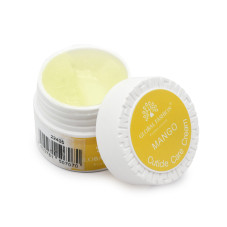
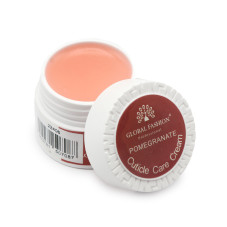
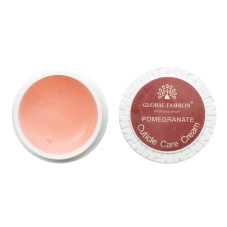
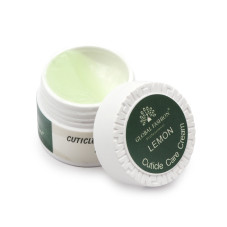
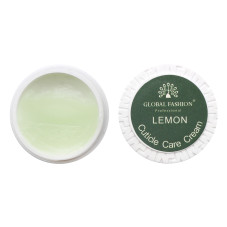
After care, it is important to apply cuticle oil or cream to maintain hydration, improve skin elasticity, and prevent dryness. Regular gentle care is enough to keep nails looking neat, healthy, and well-groomed.
3. Daily moisturizing
Aggressive actions—such as using metal tools or applying strong pressure with an orange stick—can damage the nail matrix, the growth area of the nail. This small semicircular area at the base of the nail plate is responsible for its formation and smooth structure. If this area is repeatedly damaged, the nail may start growing unevenly, with ridges and deformities.
A much safer approach is to use the most delicate method possible. For example, during a shower, the cuticles can be gently pushed back with a soft washcloth—without force or pressure. Warm water naturally softens the skin, making the process more comfortable and safer.
After care, it is important to apply cuticle oil or cream to maintain hydration, improve skin elasticity, and prevent dryness. Regular gentle care is enough to keep nails looking neat, healthy, and well-groomed.
3. Daily moisturizing
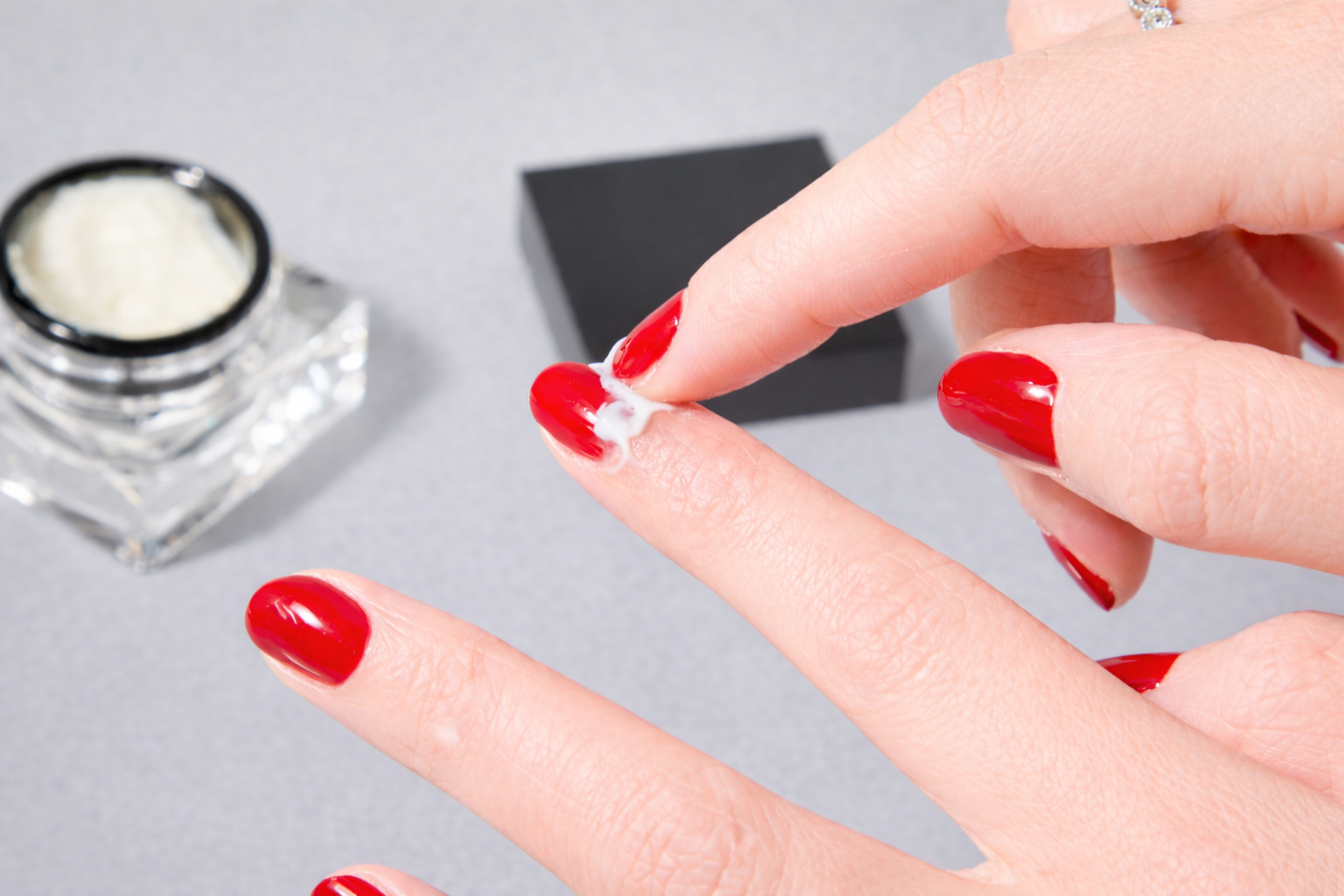
Cuticle care, especially regular moisturization, should become a daily habit. Experts recommend linking this step to existing self-care routines—for example, taking a shower or washing your face—so you don’t forget about it.
Maintaining an optimal level of cuticle hydration is the simplest and most effective way to keep them healthy and looking well-groomed. When choosing products, it’s worth paying attention to texture: oils are preferable to creams, as they penetrate deeper into the skin and provide more intensive nourishment.
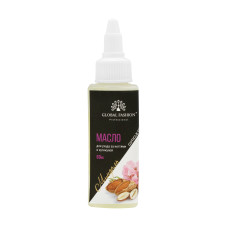
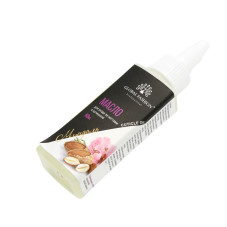
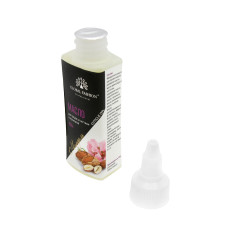
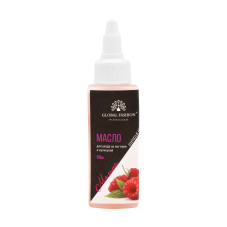
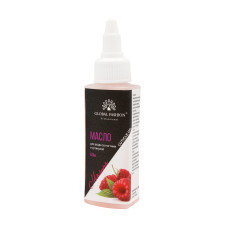
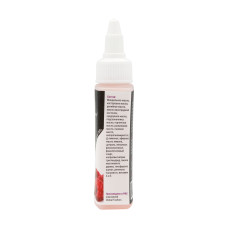
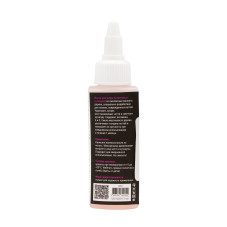
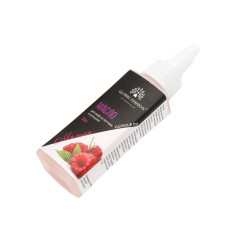
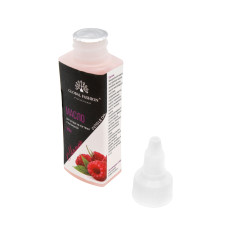
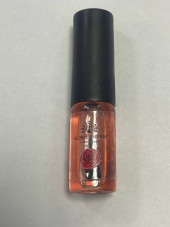
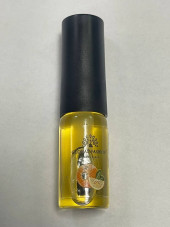
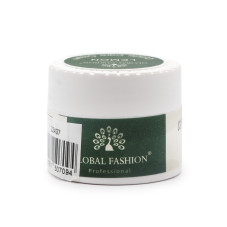
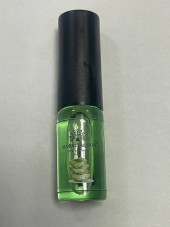
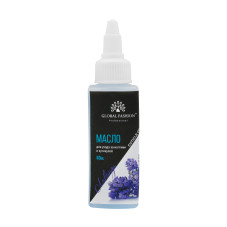
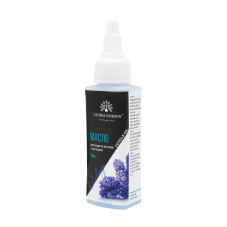
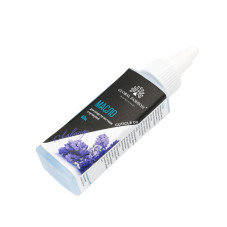
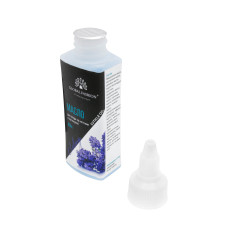
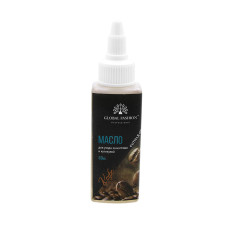
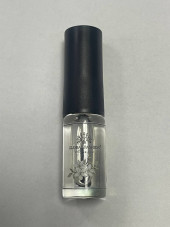
For maximum effect, apply cuticle oil immediately after contact with water—for instance, after washing your hands or taking a shower. At this moment, the skin is most receptive, and the oil helps “lock in” moisture, enhancing hydration and preventing dryness. As an example, you can use the nail and cuticle oil by Global Fashion, known for its nourishing and restorative properties.
4. Perform regular massage
Instead of simply applying oil in a random way and considering your care routine complete, take a few extra seconds for a gentle massage. Carefully work the product into the skin and nail plate—this significantly improves absorption and helps active ingredients penetrate deeper into the tissue.
Instead of simply applying oil in a random way and considering your care routine complete, take a few extra seconds for a gentle massage. Carefully work the product into the skin and nail plate—this significantly improves absorption and helps active ingredients penetrate deeper into the tissue.
This way, vitamins and nourishing components work more effectively, reaching the target areas. In addition, massage stimulates blood circulation, which plays an important role in nail health and growth, making them stronger, smoother, and more well-groomed.
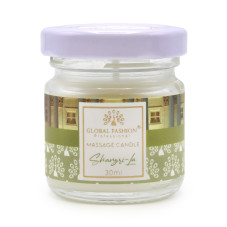
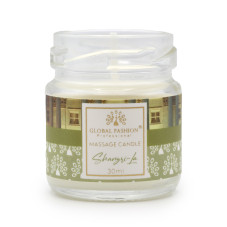
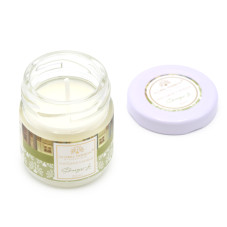
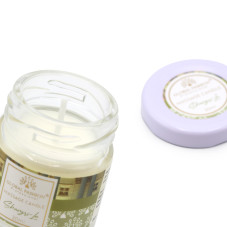
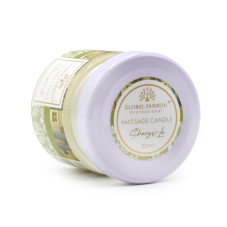
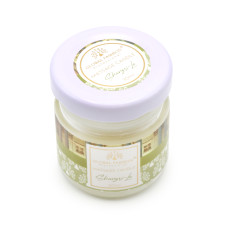
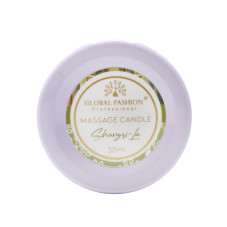
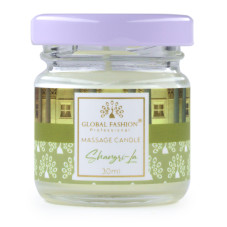
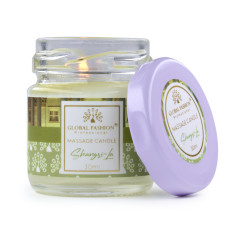
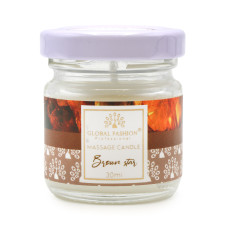
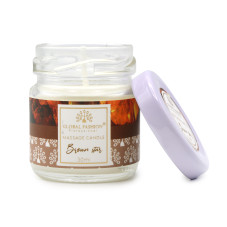
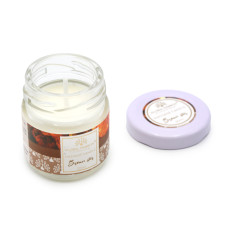
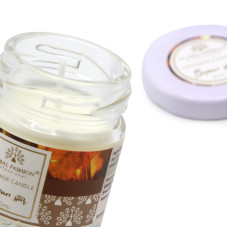
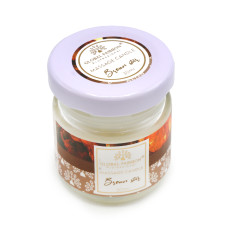
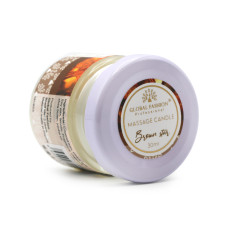
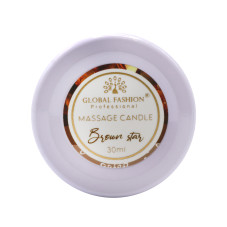
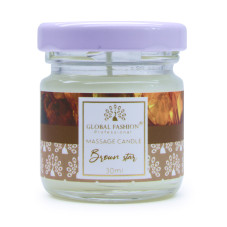
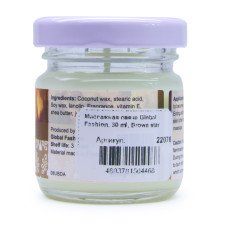
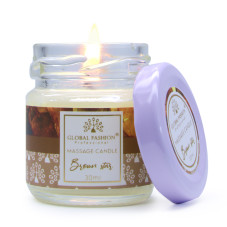
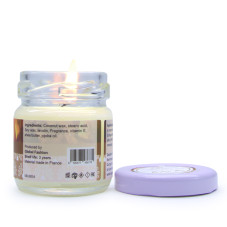
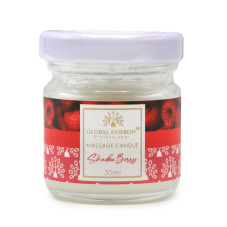
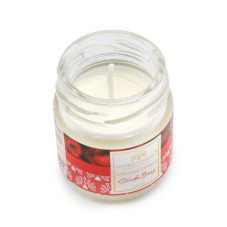
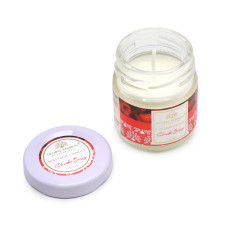
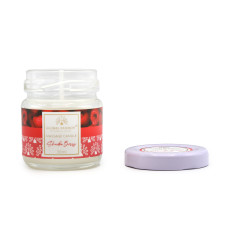
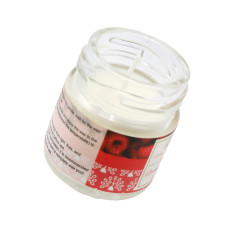
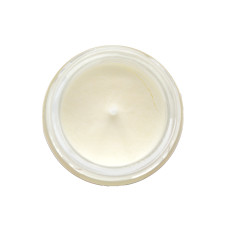
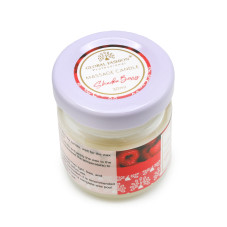
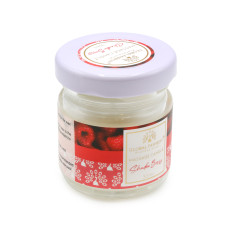
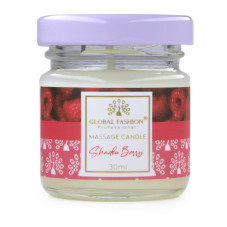
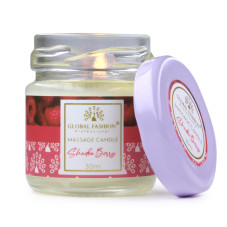
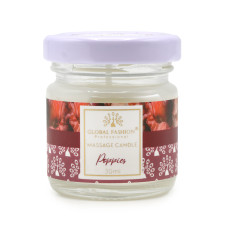
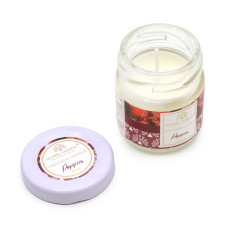
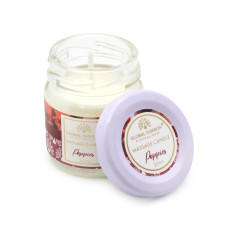
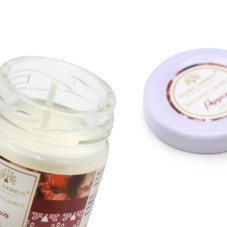
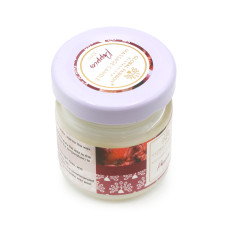
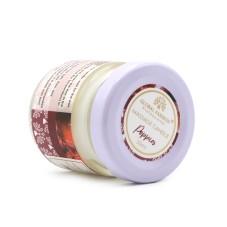
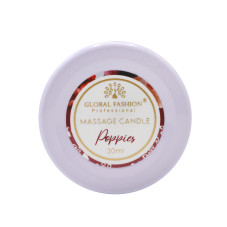
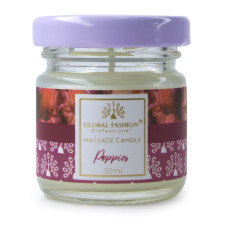
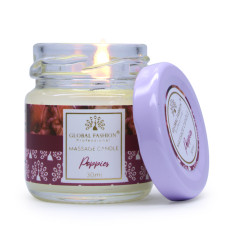
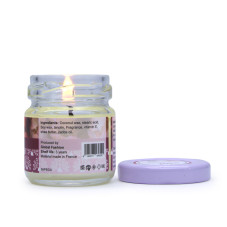
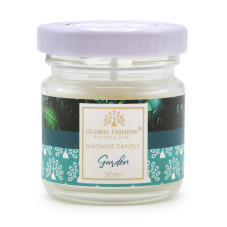
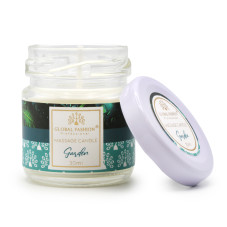
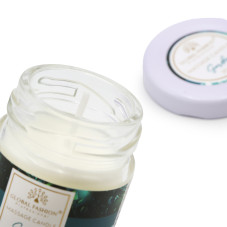
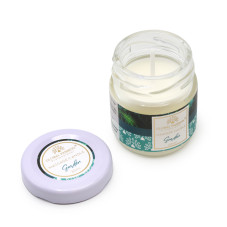
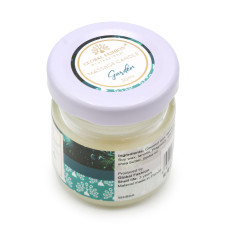
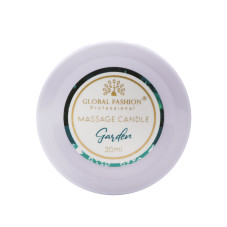
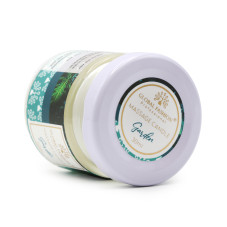
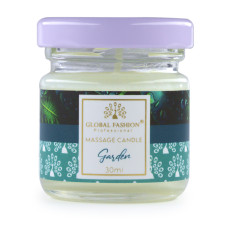
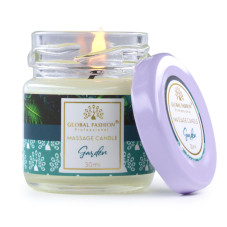
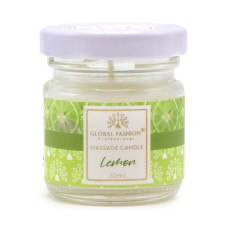
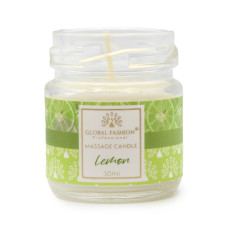
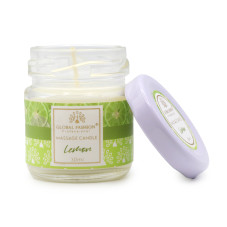
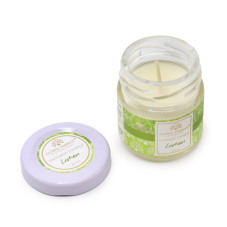
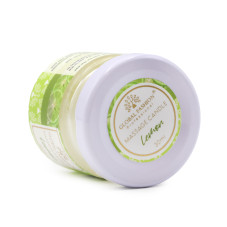
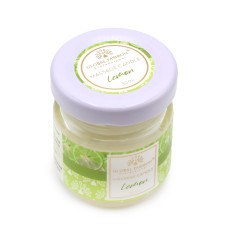
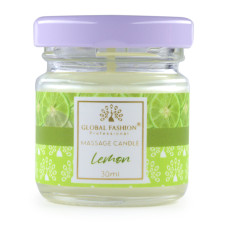
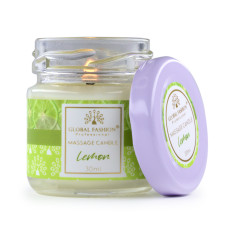
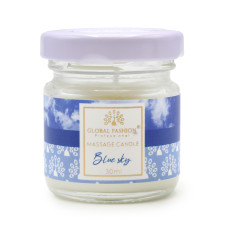
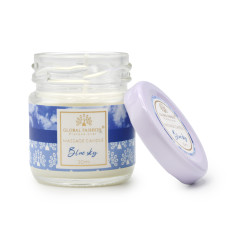
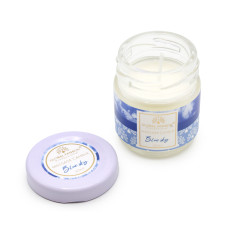
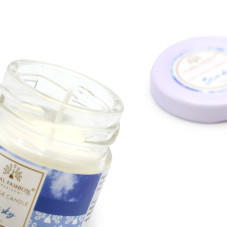
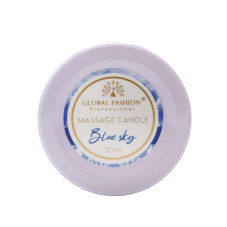
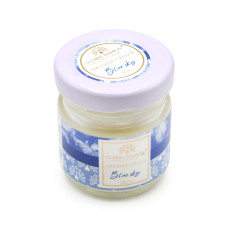
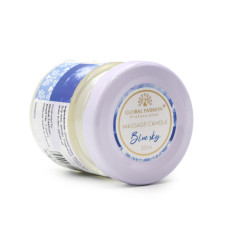
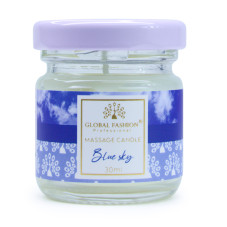
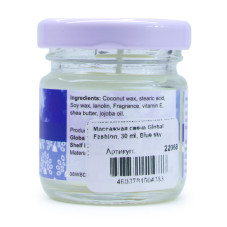
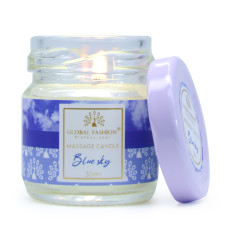
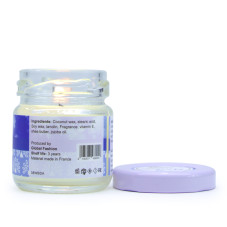
We recommend the Global Fashion massage candle — it is not just a fragrant accessory, but a complete care ritual for skin and nails. As it melts, its velvety texture transforms into warm, nourishing oil enriched with caring ingredients. It spreads smoothly over the skin, deeply hydrates, softens, and helps restore smoothness and comfort after just the first use.
5. Try the nail “slugging” method
You may already be familiar with slugging in skincare and haircare, but this method also works wonderfully for nails and cuticles—especially if they tend to be dry.
The idea is simple: you apply a thick occlusive product, most often petroleum jelly, which creates a protective barrier, “seals in” moisture, and helps the skin stay hydrated for longer. It’s like putting a warm coat on your nails.
First, apply cuticle oil as usual, then generously layer petroleum jelly on top. Leave it on overnight so it can work its maximum effect. If you like, you can wear cotton gloves—this will enhance the hydration effect even more, leaving the skin noticeably softer after just a few uses.
6. Never bite or pick at your nails
When the cuticle becomes dry, it starts to peel, and hangnails form much more easily — this is another reason why it’s important to regularly moisturize the skin around the nails.
These small, lifted pieces of skin often trigger the habit of biting or pulling them off, so the best strategy is to prevent them from appearing in the first place.
Such actions can lead to inflammation and even infection, as bacteria can easily be transferred from the mouth to the damaged skin of the finger.
When the cuticle becomes dry, it starts to peel, and hangnails form much more easily — this is another reason why it’s important to regularly moisturize the skin around the nails.
These small, lifted pieces of skin often trigger the habit of biting or pulling them off, so the best strategy is to prevent them from appearing in the first place.
Such actions can lead to inflammation and even infection, as bacteria can easily be transferred from the mouth to the damaged skin of the finger.
Published: 14.04.2026 10:16
Times Read: 1745
8347 bought
ID: 3678
120 MDL
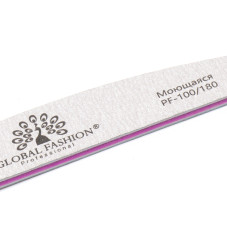
3894 bought
ID: 3688
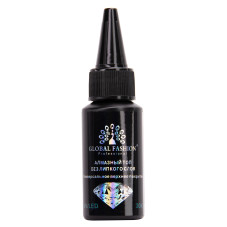
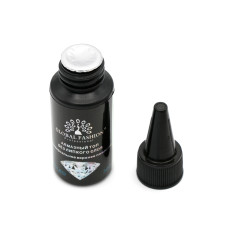
180 MDL