How to Care for Your Skin After 20: 12 Essential Rules for Healthy, Beautiful Skin

Your twenties are an exciting yet challenging stage of life. You may be finishing university, building a career, going on dates and, of course, figuring out the right skincare routine. During this time, many questions come up: Do you need acne cleansers and toners? Is it time to introduce retinol into your routine? Should you start using other anti-aging ingredients? Don't worry — we have the answers! Read our new article to discover how to care for your skin in your 20s, which products and ingredients to choose, and which cosmetic treatments are worth considering.
1. Start Taking Care of Your Skin's Youthful Appearance Early
It's worth starting to prevent the signs of aging as early as your 20s. Research shows that collagen and elastin, two essential structural proteins, begin to decline in the skin at around age 25. Collagen is responsible for skin firmness, density, and elasticity, while elastin allows the skin to stretch and return to its original shape.
2. Use Products with SPF
Sunscreen not only helps reduce the risk of skin cancer but is also one of the most effective ways to prevent premature skin aging.
UV rays affect your skin constantly, even on cloudy days, when you're indoors near a window, or simply driving a car. UV rays can also reflect off various surfaces, including concrete, sand, water, and snow. Reflected radiation can be just as harmful as direct exposure.
Sun exposure is the leading external cause of skin aging. It's important to remember that even small amounts of UV exposure, which we often overlook in everyday life, can have an impact. Protecting your skin is essential year-round, regardless of the season. Even brief periods in the sun can contribute to premature signs of aging. That's why using SPF every day is an essential part of a proper skincare routine.
3. Keep Your Skincare Routine Simple
Your skincare routine should take your individual skin needs into account. However, we've put together a basic routine that works for most people in their 20s. Here are the essential steps:
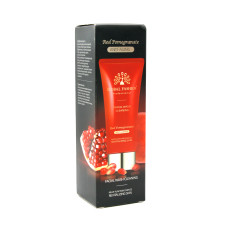
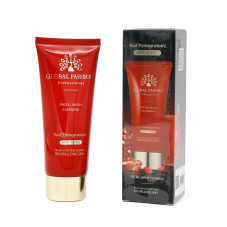
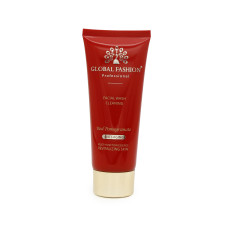
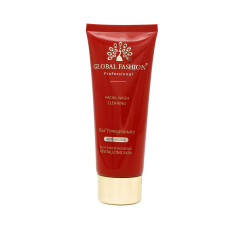
Step 1. Cleansing: Cleanse your skin morning and evening, choosing a product that suits your skin type. In the evening, double cleansing is recommended to effectively remove makeup and sunscreen while preparing your skin for overnight care.
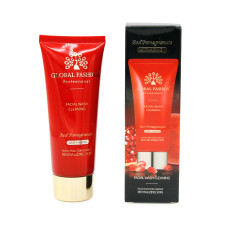
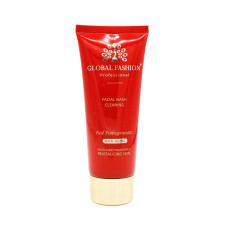
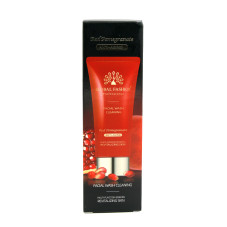
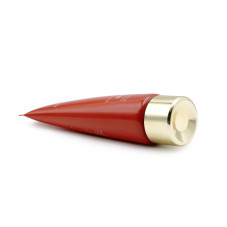
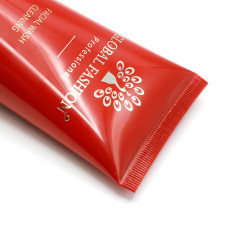


Step 2. Exfoliation: Exfoliate gently and in moderation. Remove dead skin cells without damaging your skin's protective barrier. Choose gentle exfoliating products.
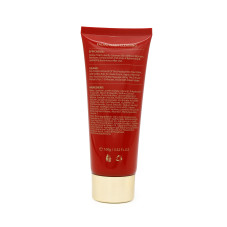
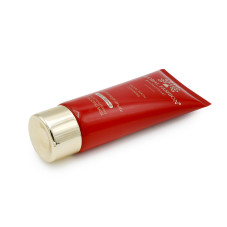
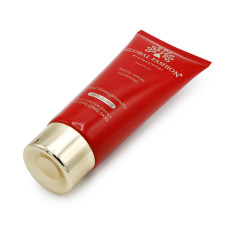
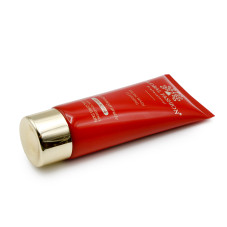
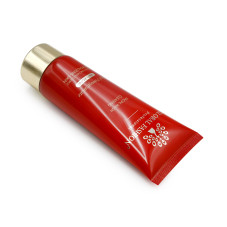
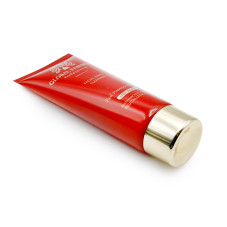
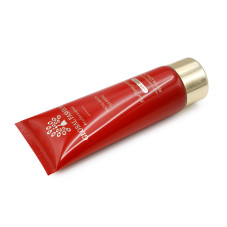
Step 3. Target Specific Skin Concerns: If your skin is dry, focus on hydration. For example, add a Global Fashion hyaluronic acid serum to your routine. For pigmentation, choose brightening products containing vitamin C, tranexamic acid, or kojic acid. To help prevent wrinkles, consider introducing retinol around your mid-20s. If you have sensitive skin, try a gentler alternative such as bakuchiol.
15 bought
ID: 25079


91 MDL
-30%


17 bought
ID: 25086


91 MDL
-30%
Step 4. Moisturizing: If you have dry skin, opt for creams and lotions. Lightweight moisturizing gels are generally a better choice for oily and acne-prone skin.
Step 5. Sun Protection: This is one of the most important steps in your skincare routine. It helps prevent dark spots and wrinkles while reducing the risk of skin cancer. With so many sunscreens available today, finding one that suits your needs is easier than ever.
4. Exfoliate Your Skin Regularly
Regular exfoliation helps support your skin's natural renewal process. Products containing salicylic acid, alpha hydroxy acids (AHAs), and/or beta hydroxy acids (BHAs) help remove dead skin cells and impurities, unclog pores, prevent new breakouts, improve skin texture, and encourage cell turnover.
5. Pay Attention to Your Diet
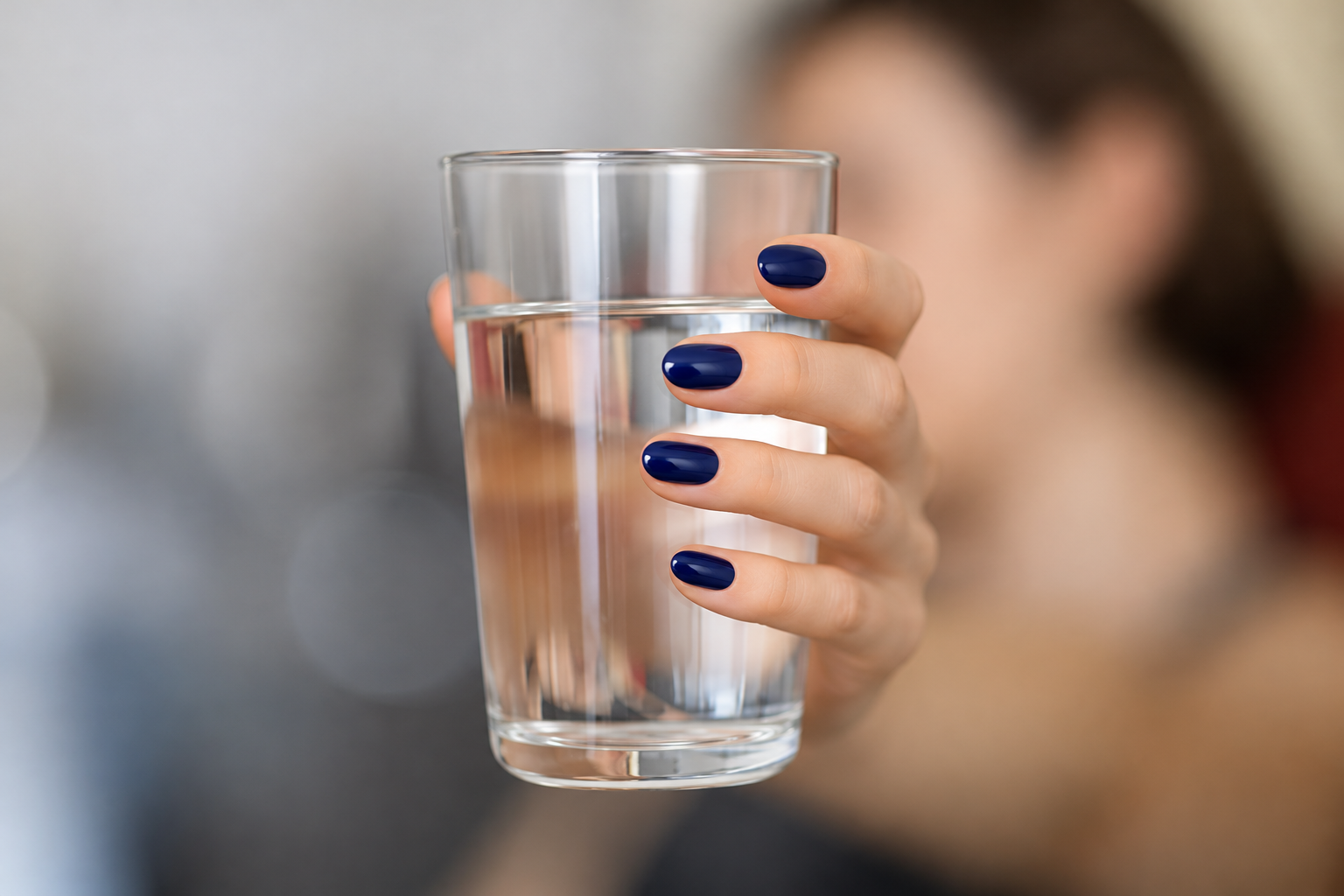
Drink enough plain water every day, adding a little lemon juice if you like. Aim for two to three liters a day. Include more fresh greens and fiber-rich foods in your diet, and consider taking vitamin D3 supplements. Don't forget to stay physically active and choose foods that support your overall health.
6. Cleanse Your Skin Properly
to rethink your routine, as your skin's needs change with age.
In your 20s, you may still be using harsh cleansers and drying toners that helped control excess oil and acne during your teenage years. However, during this stage, the sebaceous glands gradually become less active. As a result, products that once effectively controlled breakouts and shine may now cause redness, flaking, and irritation.
Even if you have acne, your skin shouldn't feel tight or squeaky clean after washing. Over-cleansing and excessive scrubbing can actually make the problem worse by irritating your skin and triggering new breakouts.
7. Avoid Oils If You Have Acne-Prone Skin
Everyone knows that well-hydrated skin looks healthier, fresher, and more radiant. Maintaining optimal moisture levels is also essential for overall skin health.
It's important to include products containing humectants in your routine. These ingredients help attract and retain moisture in the skin. However, don't rush to choose a rich cream or foundation, as oils aren't suitable for everyone. Instead, look for hydrating ingredients that meet your skin's needs.
Pay special attention to hyaluronic acid. It is a humectant that attracts moisture from the environment and helps retain it in the skin. Hyaluronic acid occurs naturally in the body, is generally well tolerated by the skin, and does not typically cause breakouts. This is particularly important because acne can still be a concern in your 20s. Hyaluronic acid helps make the skin look plumper and firmer, smooth fine lines, and give your complexion a fresh appearance. During warmer months, it's best to choose oil-free products.


8. Add Retinol to Your Skincare Routine
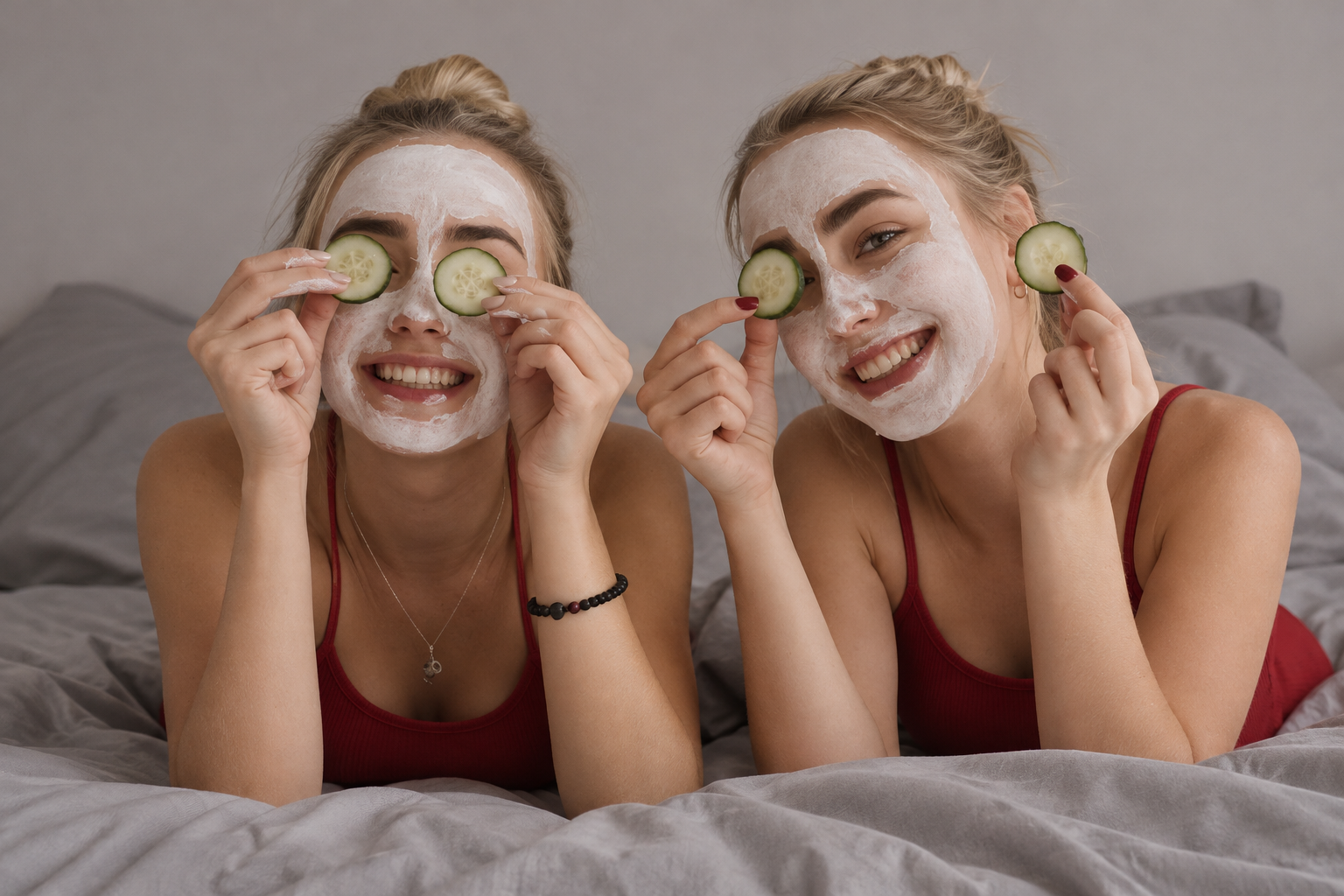
After the age of 20, the skin's natural ability to repair itself gradually declines, making it important to start preventing the signs of aging early. Using retinol and glycolic acid in moderation can help slow visible signs of aging and establish healthy skincare habits.
Retinol not only helps address signs of aging but can also reduce breakouts, making it one of the most popular skincare ingredients.
Many products designed to target acne and signs of aging share similar benefits. Retinoids can help address both concerns, as can chemical peels. The latter may be particularly suitable for those who find tretinoin products (Retin-A) too harsh.


9. Always Remove Your Makeup Before Bed
Everyone falls asleep without removing their makeup from time to time. It happens, but it's important not to let it become a habit.
Makeup residue can clog pores and trap sebum, creating an environment where bacteria can multiply and breakouts can develop. It can also make pores appear more visible and enlarged — something nobody wants. Look for cleansers containing witch hazel extract, known for its antioxidant and soothing properties, or fireweed extract, valued for its natural antibacterial effects.


10. Don't Ignore Acne in Adulthood
Acne can continue to affect you well into adulthood. It's important to address it promptly to prevent your skin condition from worsening.
Occasional breakouts can still occur in your 20s. Avoid drying out your skin with conventional over-the-counter acne treatments. Instead, consult a dermatologist about prescription medications that can help reduce inflammation associated with cystic acne without causing excessive skin dryness.
11. Use Anti-Aging Skincare Products
Everyone has their own approach to preventing the signs of aging. To start, simply add at least one anti-aging product to your daily routine. This will help you gradually get familiar with active ingredients and determine which ones work best for your skin.
Start with a product containing vitamin C or other antioxidants. These ingredients help prevent premature aging by protecting the skin against oxidative stress caused by UV radiation and environmental pollution.
12. Don't Overload Your Skin with Skincare Products
Taking care of your skin is essential, but using too many products and treatments can cause irritation and damage its protective barrier.
Dermatologists note that increased skin sensitivity due to overly aggressive skincare routines is becoming more common among people in their 20s. To adjust your routine and avoid sensitivity, introduce changes gradually. If your current skincare routine isn't delivering the desired results, replace only one product at a time. Otherwise, you may experience an unwanted reaction, and if you start using five new products simultaneously, it will be difficult to identify which one caused it. Use each new product for at least four weeks before introducing another.
29 bought
ID: 23833
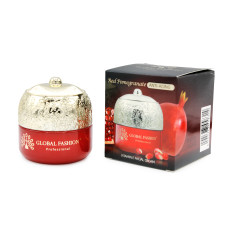

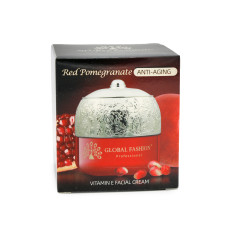
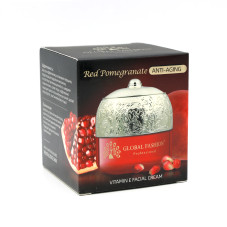
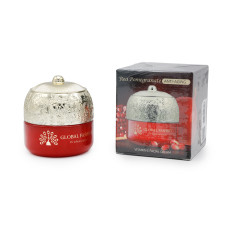
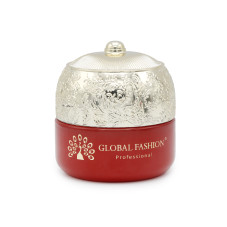
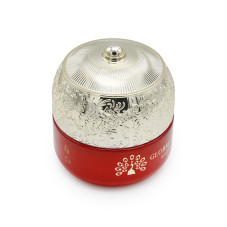
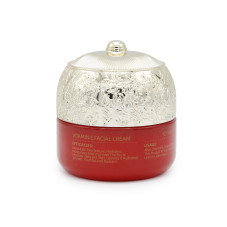
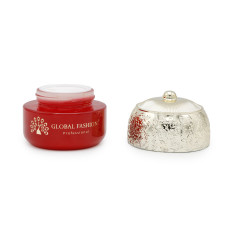
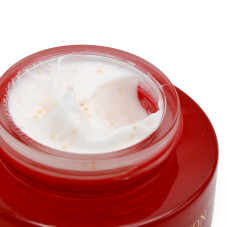
133 MDL
-30%
14 bought
ID: 24212
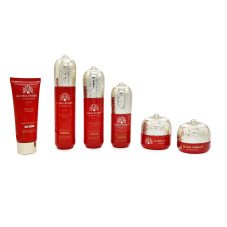
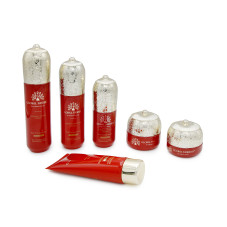
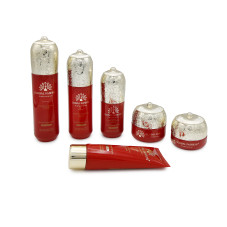

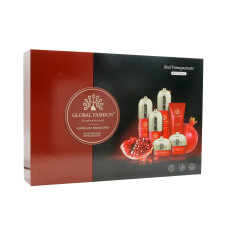



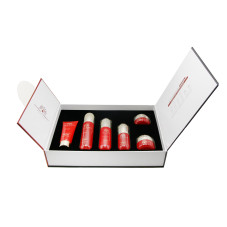

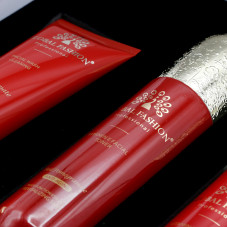
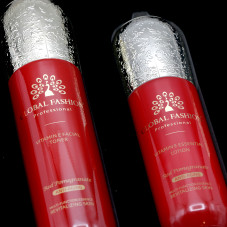
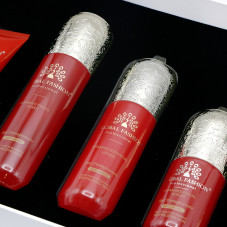


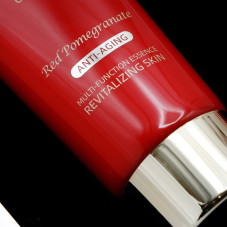
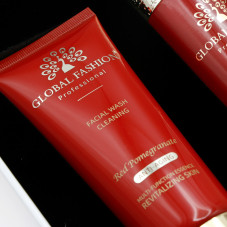
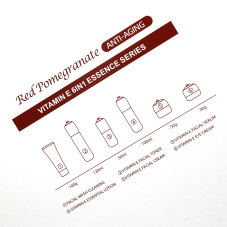
Free delivery +
630 MDL
-30%
15 bought
ID: 25079
91 MDL
-30%
46 bought
ID: 25701


84 MDL
-30%
MORE SKINCARE PRODUCTS --->
Read also:
Published: 19.11.2026 15:47
Times Read: 101
8500 bought
ID: 3678

84 MDL
-30%
2991 bought
ID: 3650
63 MDL
-30%
3945 bought
ID: 3688
126 MDL
-30%
1456 bought
ID: 3658
91 MDL
-30%


