How to Choose a Facial Cleanser for Your Skin Type: Gel, Cream, Milk, or Oil

Gel, cream, milk, and oil cleansers have different properties, which is why there is no universal option for every skin type. When choosing a cleanser, it is important to consider your skin’s specific needs: the right product not only cleanses and refreshes the skin but can also help prevent breakouts, dryness, redness, and damage to the skin barrier. Read our new guide to learn how different types of cleansers differ and which one is right for your skin.
What Are Gel Cleansers?

Gel cleansers usually have a lightweight, water-based formula and contain gentle surfactants that remove excess sebum and impurities while providing thorough yet comfortable cleansing. When mixed with water, their semi-thick, jelly-like texture turns into a lather that effectively cleanses the skin. These products are suitable for both morning and evening skincare and are especially comfortable when the skin becomes sweaty and oilier.
They do not leave a moisturizing film on the skin and rinse off easily with water, making them a good choice for oily skin.
Gel cleansers are also suitable for acne-prone skin. A properly formulated cleanser has a pH of 4.5–5.5, so it does not disrupt the skin’s natural acid balance.
At the same time, it is best to avoid gels with a high concentration of sulfates. According to experts, using them twice a day and washing with hot water can damage the skin barrier and trigger increased sebum production. Trying to achieve an extremely “squeaky clean” feeling after washing usually only makes the problem worse.
To keep your skin feeling fresh and soft after cleansing while maintaining a healthy skin barrier, choose formulas containing glycerin, aloe vera, and hyaluronic acid.
What Are Cream Cleansers?
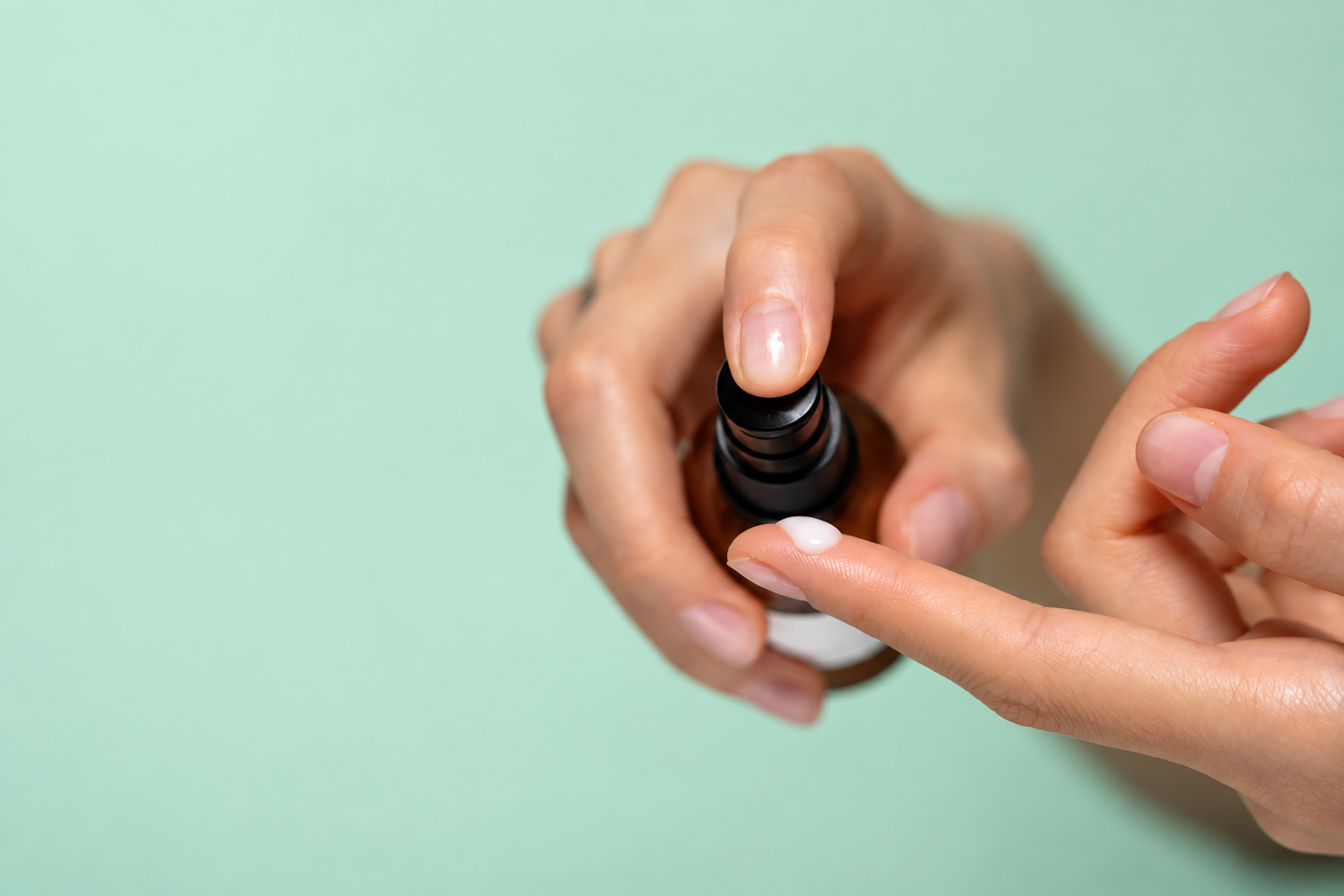
A cream cleanser is a cleansing product with a rich texture similar to a lotion.
It usually cleanses the skin without drying it out. It is called a cream cleanser because its formula contains more emollient and moisturizing ingredients than conventional foaming or gel cleansers.
Thanks to their rich texture and nourishing properties, cream cleansers are especially suitable for dry, sensitive, and dehydrated skin. They help support the skin barrier while gently removing impurities and makeup. These cleansers also work well with active ingredients, including retinoids and exfoliating acids, which can cause dryness and irritation.
Most people can use a cream cleanser once or twice a day. In the morning, it gently cleanses the skin without causing excessive dryness or disrupting the skin barrier. In the evening, it helps remove impurities that have accumulated throughout the day. If you wear heavy makeup or use sunscreen, you can additionally use micellar water before cleansing.
When choosing a cream cleanser, look for moisturizing and soothing ingredients such as ceramides, glycerin, hyaluronic acid, and squalane.
What Are Milk Cleansers?

Milk cleansers have a lightweight, emollient texture and do not foam. They gently cleanse the skin without disrupting its protective barrier or causing dryness. They are especially suitable for dry, sensitive, and mature skin.
This type of cleansing is particularly relevant during perimenopause and menopause, when declining estrogen levels reduce sebum production, weaken the skin barrier, and accelerate moisture loss.
If you have dry skin and there are no noticeable traces of skincare products in the morning, a milk cleanser may be sufficient. However, during hormonal fluctuations and periods of breakouts, it may not be enough.
It is also important to consider the limitations of these products: they leave the skin feeling moisturized but usually cannot effectively remove heavy, long-lasting, or waterproof makeup.
Some people feel that milk cleansers are not effective enough. However, as part of a double-cleansing routine, they can work very well as the second cleansing step.
What Are Oil Cleansers?
Oil cleansers are oil-based products that dissolve and remove impurities, makeup, skincare residue, and sebum. They work according to the principle that “like dissolves like.” Thanks to their pronounced hydrophobic properties, these products interact effectively with waterproof cosmetics, sunscreen, and makeup, dissolving them and making them easier to remove.
Oil cleansers are often chosen for gentle cleansing that allows you to remove both makeup and sunscreen at the same time. They are usually applied directly to dry skin and then emulsified with water. Many products also contain plant-based ingredients that soften the skin and help maintain its moisture levels.
A common myth is that oil cleansers are not suitable for oily and acne-prone skin because they can clog pores. However, this is not entirely true.
They can be suitable for all skin types, including oily and acne-prone skin, although this is where people tend to have the most doubts about using them. The outdated idea that oily skin needs to be dried out is simply incorrect. A non-comedogenic oil cleanser, when used correctly, does not clog pores or worsen breakouts.
How to Choose a Facial Cleanser for Your Skin Type?

Choosing the right facial cleanser largely depends on your skin type. It helps assess the condition of the skin barrier, including sebum levels, the skin’s ability to retain moisture, and its tendency to react.
A cleanser that does not take these factors into account may either fail to cleanse the skin sufficiently or disrupt its protective barrier. Both situations can lead to further skin problems.
When choosing a cleanser, the hormonal factor is often overlooked. For example, teenage skin and the skin of women going through menopause differ not only in skin type — they are different physiological states that require an individual approach.
The creamier a cleanser’s texture looks, the more likely it is to be suitable for dry skin. Dry and dehydrated skin can benefit from cream and oil-based formulas that provide additional moisture.
Watery and gel cleansers are generally better suited to oily skin, although this is not a strict rule.
Experts also recommend paying attention to the ingredients and checking for fragrances and other potential irritants. Texture is an important factor, but it is not the only criterion when choosing a cleanser.
The right cleanser creates a foundation for the rest of your skincare routine, leaving the skin clean and prepared for the application of other products.
A good cleanser is also the first line of defense against dirt, environmental impurities, and sebum that accumulate throughout the day. Choosing a product according to your skin type and individual needs can help you get the most out of the rest of your skincare routine.
Can You Use Several Cleansers?

Cleansing does not necessarily have to be limited to a single product. It is important to consider your overall skincare routine, and double cleansing is especially relevant when using sunscreen, makeup, or both. This is a logical application of chemical principles rather than simply a skincare trend.
If you use mineral sunscreen every day, which is recommended for everyone, your cleanser should be effective at removing it. Most conventional water-based cleansers are not fully effective at removing mineral sunscreen, especially formulas containing zinc oxide. In such cases, double cleansing can make sense.
For those unfamiliar with this technique, the popular double-cleansing method, usually used in the evening, involves using two different cleansers in sequence. First, an oil or balm is applied to dissolve sunscreen and makeup, followed by a gel cleanser to remove any remaining impurities.
Experts recommend that people with combination skin who want to simplify their routine use a gel cleanser over the entire face and then apply it a second time only to the T-zone.
However, there are situations where double cleansing is not particularly necessary. For example, young people who use minimal skincare products generally do not need it. For dry skin during menopause, a single milk cleanser is usually sufficient.
Over-cleansing is a real clinical problem that often goes unrecognized because patients rarely associate their symptoms with their everyday cleansing routine.
However, the signs are usually similar: a persistent feeling of tightness, increased sensitivity, a compromised skin barrier, and more frequent breakouts despite cleansing more often. When this happens, the answer is almost always the same — simplify your routine. Your skin itself can tell you what it needs.
However, the signs are usually similar: a persistent feeling of tightness, increased sensitivity, a compromised skin barrier, and more frequent breakouts despite cleansing more often. When this happens, the answer is almost always the same — simplify your routine. Your skin itself can tell you what it needs.
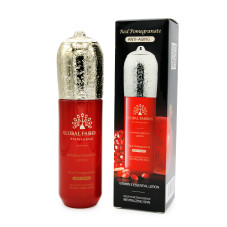
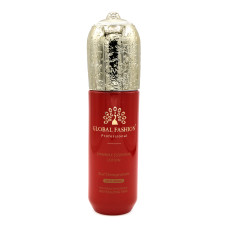
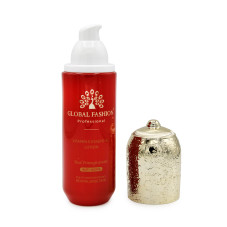
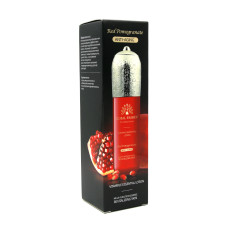
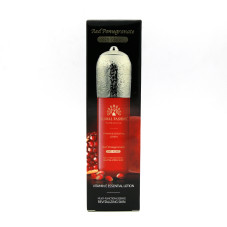
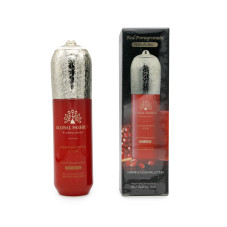
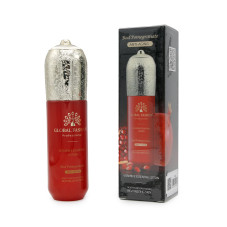
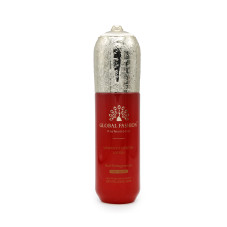
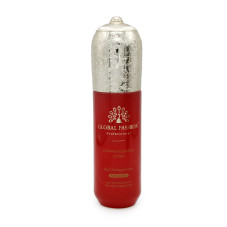
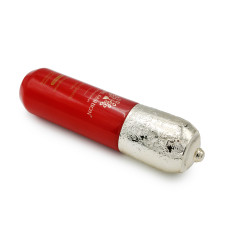
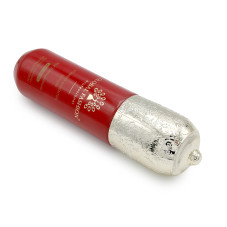
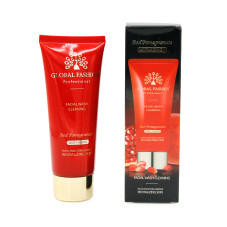
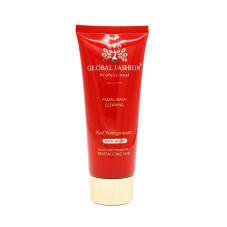
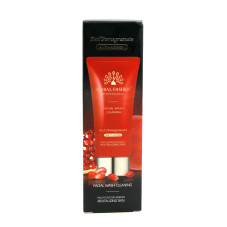
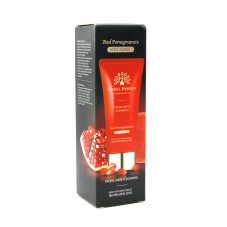
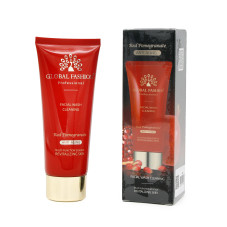
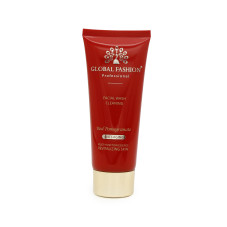
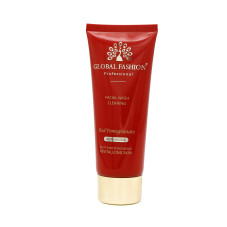
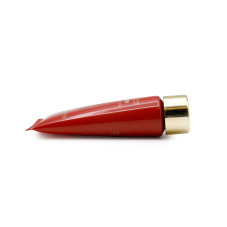
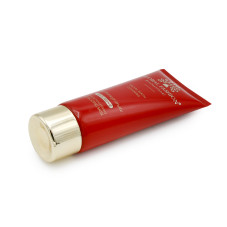
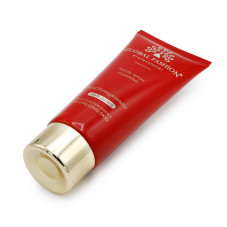
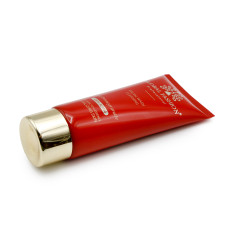
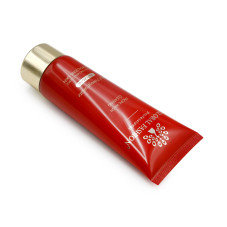
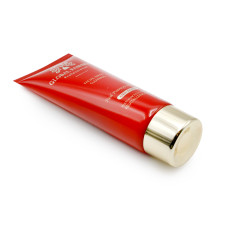
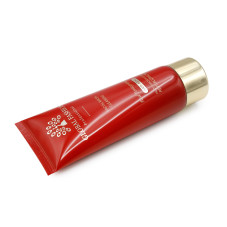
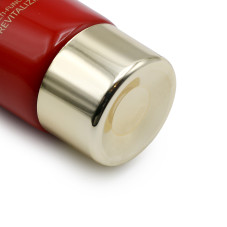
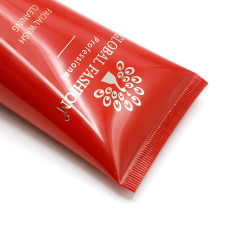
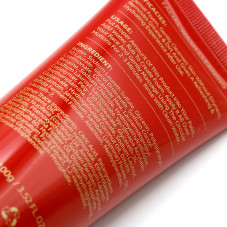
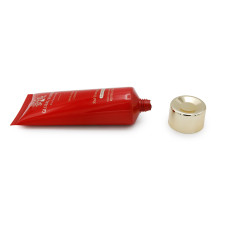
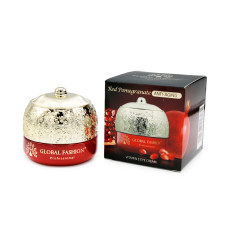
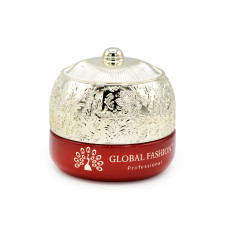
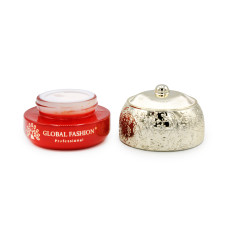
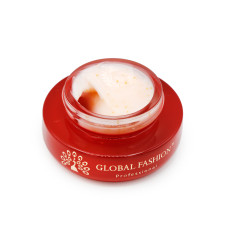
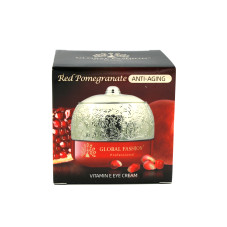
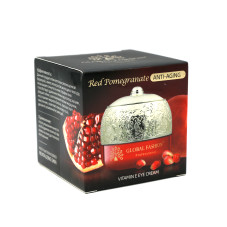
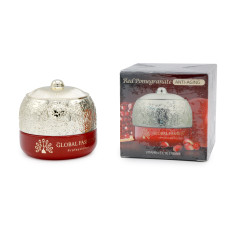
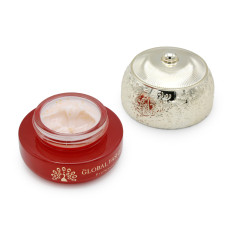
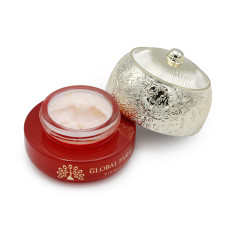
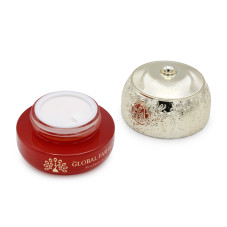
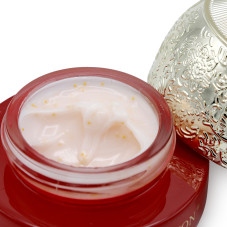
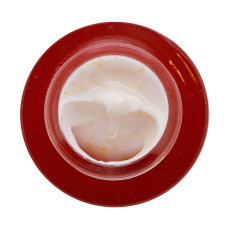
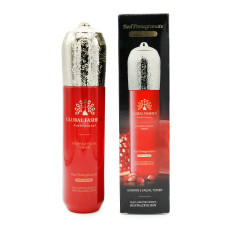
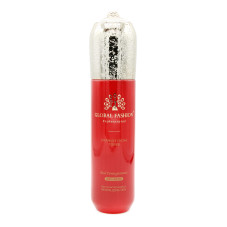
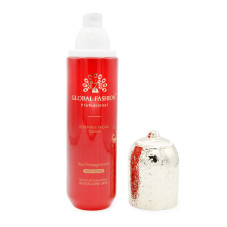
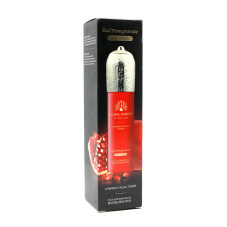
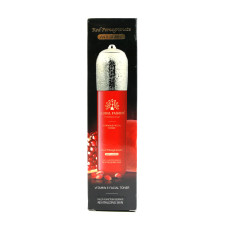
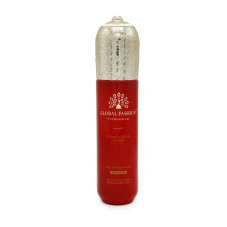
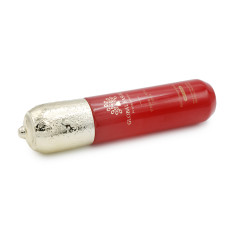
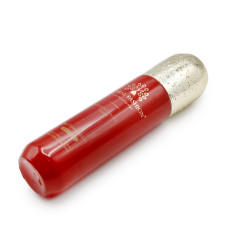
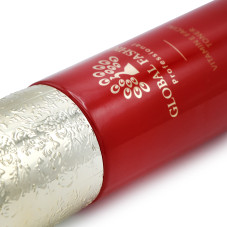
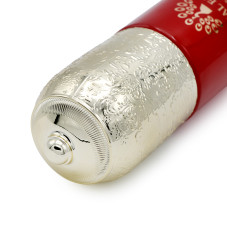
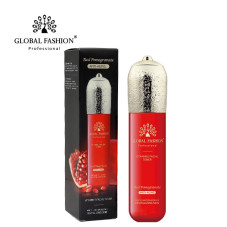
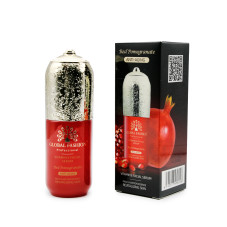
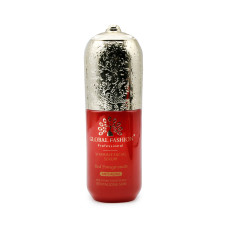
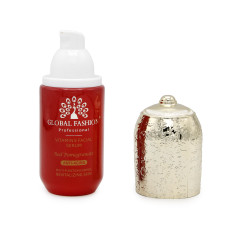
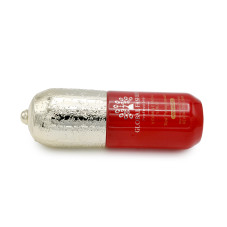
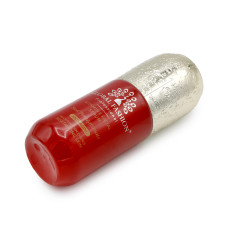
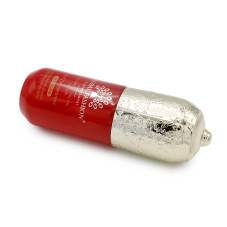
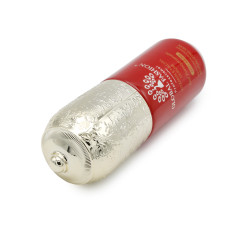
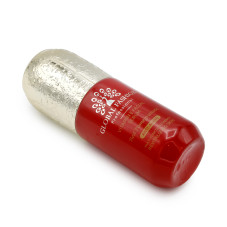
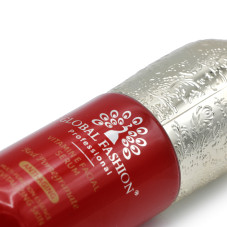
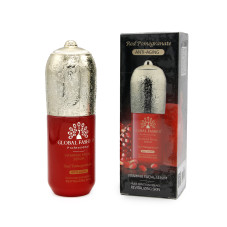
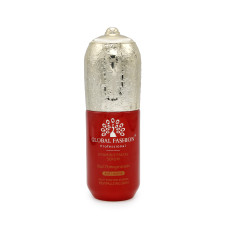
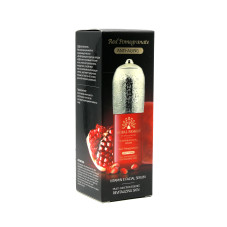
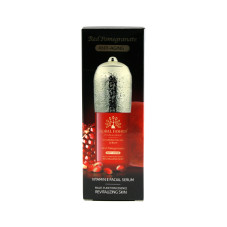
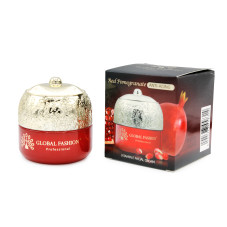
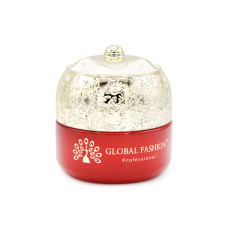
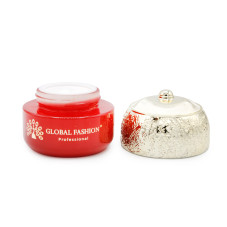
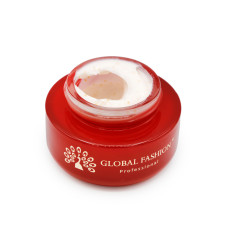
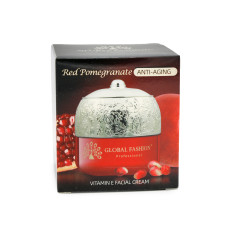
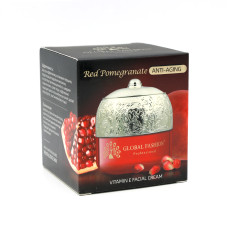
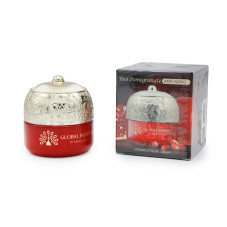
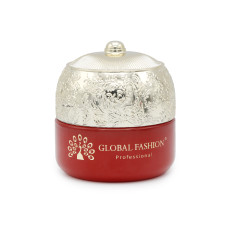
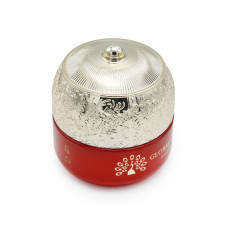
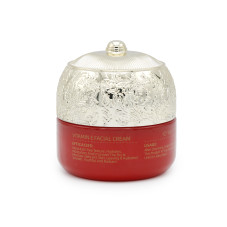
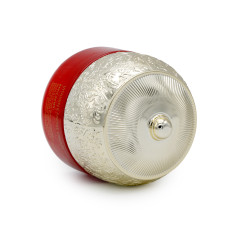
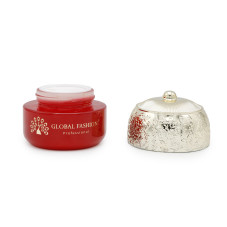
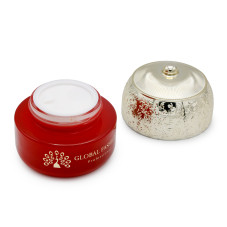
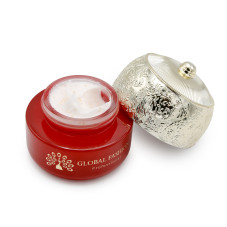
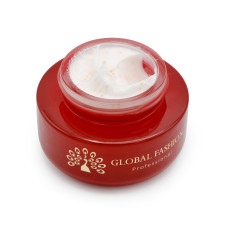
Beautiful, well-cared-for skin starts with the right daily skincare routine. And when all the products you need are available within one line, taking care of your skin becomes even easier. Global Fashion skincare helps you create a complete beauty routine: cleansing, moisturizing, nourishing, and caring for your skin — without having to choose dozens of products from different brands. Don’t put off caring for your skin — choose Global Fashion products and turn your daily skincare routine into a pleasant ritual.
Build your perfect skincare set and enjoy the feeling of clean, soft, and well-cared-for skin every day!

Read also:
• Japanese Facial Skincare: Top 5 Natural and Effective Methods That Have Been Used for 1,000 Years
Published: 19.09.2026 06:26
Times Read: 39
8326 bought
ID: 3678

120 MDL
3882 bought
ID: 3688
180 MDL