Russian manicure: what it is, benefits, risks, and everything you need to know

Russian manicure is rapidly gaining popularity and, as often happens with lightning-fast trends, it sparks plenty of discussion. However, contrary to widespread claims on TikTok, this technique is far from new. Its impeccably neat and long-lasting results have been highly valued for many years, both abroad and at home.
So why is there so much criticism around Russian manicure right now? To understand the specifics of this technique and its potential nuances, read on — you’ll get a complete idea of what to expect at your next appointment.
What is Russian Manicure?
Russian manicure, also known as dry manicure or manicure using a rotary tool, involves shaping the nails and treating the cuticles with a special drill, without using water.
The name “Russian manicure” is associated with exceptional precision and flawless finishing, which are hallmarks of Russian nail technicians’ work. Technically, this procedure is known as a manicure using a rotary tool. Unlike gel polish or acrylic tip extensions, Russian manicure is performed in 5–7 consecutive steps and does not require soaking the nails beforehand.
How is the Russian manicure procedure performed?
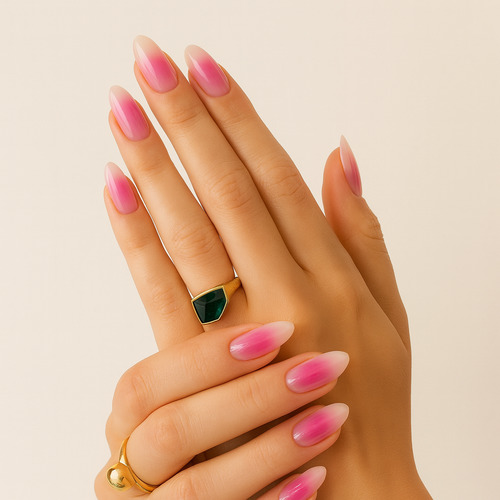
Unlike a traditional manicure, where hands are soaked in warm water to soften the skin and the cuticles are treated with tools for pushing back and trimming, the Russian manicure involves a more precise and gentle technique using a special electric drill (frezzer). First, the nail bed is cleaned with one drill bit, then the cuticle is removed with another. The third step is polishing the nail plate and shaping the nails to perfection.
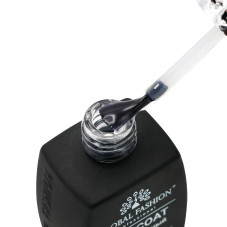
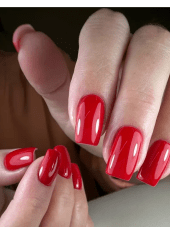
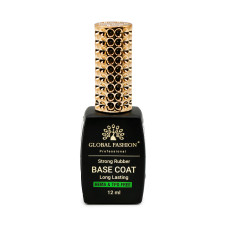
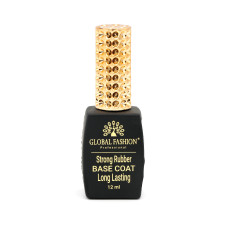
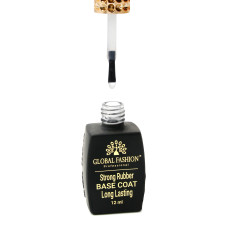
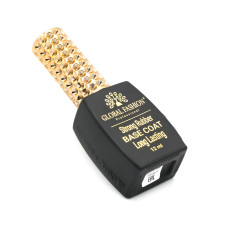
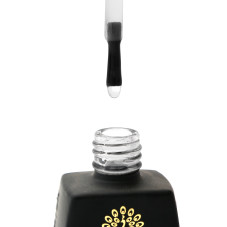
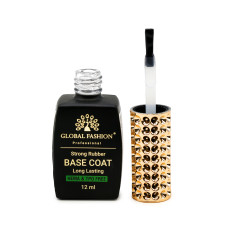
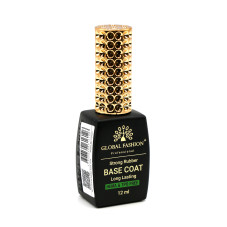
After the cuticles are treated, the nail bed is polished. Before applying color, a base product specifically designed for Russian manicure is used—its choice depends on the strength and condition of the nails. Then, a gel polish is applied and sealed with a top coat for a long-lasting and flawless finish.
Russian Manicure vs. Gel Manicure: What’s the Difference?
Although the step-by-step process of a Russian manicure may resemble a gel manicure, there is a fundamental difference: the Russian manicure technique is tailored individually to the specific characteristics of each client. That is why the base coat is chosen based on the length, structure, and strength of the natural nail. Every product used during the process must be selected to best meet the unique needs of the nail plate.
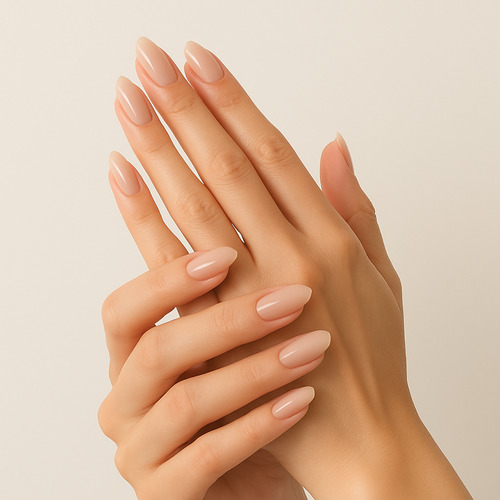
Advantages of Russian Manicure
- Durability and Long-Lasting Effect: High-quality gel polish is used to achieve a flawless result. It is applied using a specially developed technique, which allows the manicure to maintain a perfect appearance for over a month. When done correctly, a Russian manicure can last so long that the first touch-up may not be needed for up to five weeks after the procedure.
- Minimal Maintenance: The polish is applied very close to the cuticle using a fine brush, completely eliminating the “grown-out” nail effect. The process requires meticulous attention to detail, so the entire manicure takes 2 to 3 hours.
- Personalized Care: As mentioned earlier, a key step in the Russian manicure is the individualized selection of the base coating according to the unique characteristics of each client’s nails. This ensures not only a flawless result but also gentle care for the health of the nail plate.
- Non-Toxic: Unlike other techniques that focus primarily on length, shape, and design, the Russian manicure prioritizes nail health. It does not involve acrylic or toxic gel coatings. Acrylic extensions can negatively affect both the nail plate and overall health, so only safe, toxin-free gel is used in this method.
Potential Risks of Russian Manicure
- Skin damage: Improper use of manicure equipment can lead to excessive treatment or injury to the cuticle, causing irritation, damage, or even cuts. The cuticle serves a protective function, shielding the nail plate from infections, so its damage significantly increases the risk of contamination.
- Nail damage: Incorrect use of the drill or working at too high a speed can thin the nail plate and reduce its strength. As a result, nails become brittle, start to split, and break.
- Pain or discomfort: Overly aggressive or improper use of the drill during the manicure can cause pain and discomfort, especially for people with sensitive nails or delicate skin.
- Increased risk of infection: The cuticle protects nail health, and its damage compromises this natural barrier. Using a drill on the nails can injure the cuticle, increasing the risk of infection and contributing to moisture loss.
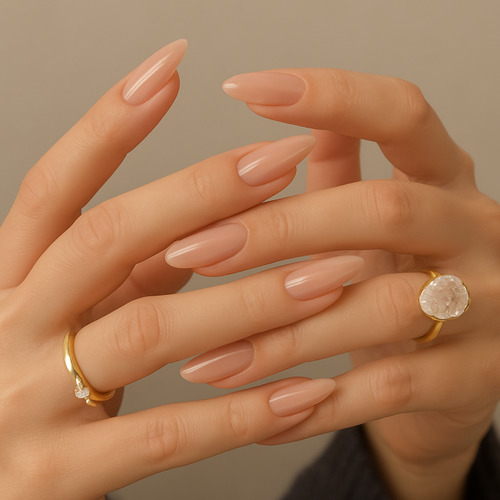
What You Need to Know if You Want to Get a Russian Manicure
To minimize the risk of nail damage, choose a technician with many years of experience who has completed several specialized courses in Russian manicure.
A professional certificate is only part of the requirements: specialists should have at least two to three years of practical experience and successfully pass the salon’s internal testing.
A professional certificate is only part of the requirements: specialists should have at least two to three years of practical experience and successfully pass the salon’s internal testing.
⸻
Even if you’ve never heard of Russian manicure before, you’ve probably seen it on the nails of many celebrities. What explains the popularity of this technique, which can take up to three hours? It’s simple: the manicure is strong, long-lasting, and incredibly elegant. It gives the nails a flawless appearance, ready for any photo at any time. Yes, the initial time investment can be significant, but the result fully justifies the wait — the effect lasts for more than a month. It’s worth noting that the technique itself, as well as the way the cuticles are treated, can be controversial, so everyone decides for themselves what’s best for the health of their nails.
Read also: 5 Key Signs of Healthy Nails: How to Know Your Nails Are in Good Condition
Read also: 5 Key Signs of Healthy Nails: How to Know Your Nails Are in Good Condition
Published: 08.12.2025 13:49
Times Read: 2163
8347 bought
ID: 3678
120 MDL
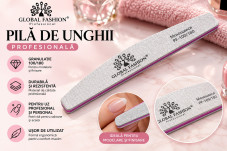
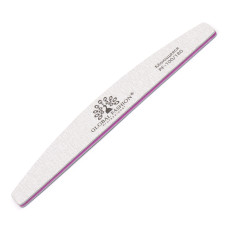
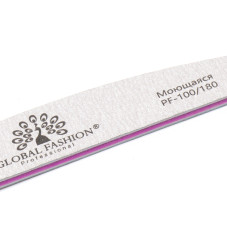
3894 bought
ID: 3688
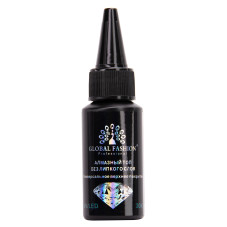
180 MDL