Is gel polish really harmful? Debunking 5 major myths

Gel polish has long secured a strong position in the nail industry — and not without reason. It is easy to work with, highly durable, and allows you to maintain a neat, well-groomed manicure for up to 2–3 weeks without chipping or losing shine.
However, along with its popularity, many myths have emerged: from claims that “nails need to breathe” to concerns about health risks.
Let’s take an honest, professional look at it: can gel polish actually damage nails, or are most of these fears just misconceptions?
Myth #1: Nails need to “breathe”
This is one of the most widespread myths in the nail industry. Nails do not have “lungs” and do not require oxygen from the air. They are made of keratin — a dense protein that physically cannot “breathe” in the usual sense.
Nail plate nutrition and regeneration happen from within — through blood vessels in the matrix area, not through the surface. That is why external coatings do not affect this process.
Conclusion: Gel polish does not prevent nails from “breathing” because nails do not breathe at all.
Myth #2: Gel polish severely damages nails
In reality, nail damage is much more often caused not by the product itself, but by mistakes in application and removal.
Key reasons include aggressive removal (especially peeling the product off), excessive filing of the nail plate, insufficient technician experience, and lack of regular nail care between appointments. All of these factors gradually thin the nail and make it more vulnerable.
Meanwhile, high-quality gel polish applied and removed according to proper technique does not destroy the natural nail plate.
Conclusion: Damage is caused not by the product, but by incorrect handling of it.
Myth #3: Nails become thin after gel polish
Many people notice that after removing gel polish, their nails appear thinner and weaker. However, this does not mean the coating itself has “damaged” the nail plate.
In fact, there can be several reasons. First, as nails grow out, they naturally become more flexible and vulnerable. Second, the top layer may be slightly affected during removal, especially if the technician over-filed the surface. Finally, visual contrast plays a role: after a dense, glossy coating, natural nails simply look thinner and less polished.
Conclusion: The feeling of thinning is usually related to visual perception or technique, not to gel polish itself.
Myth #4: UV lamps cause skin cancer
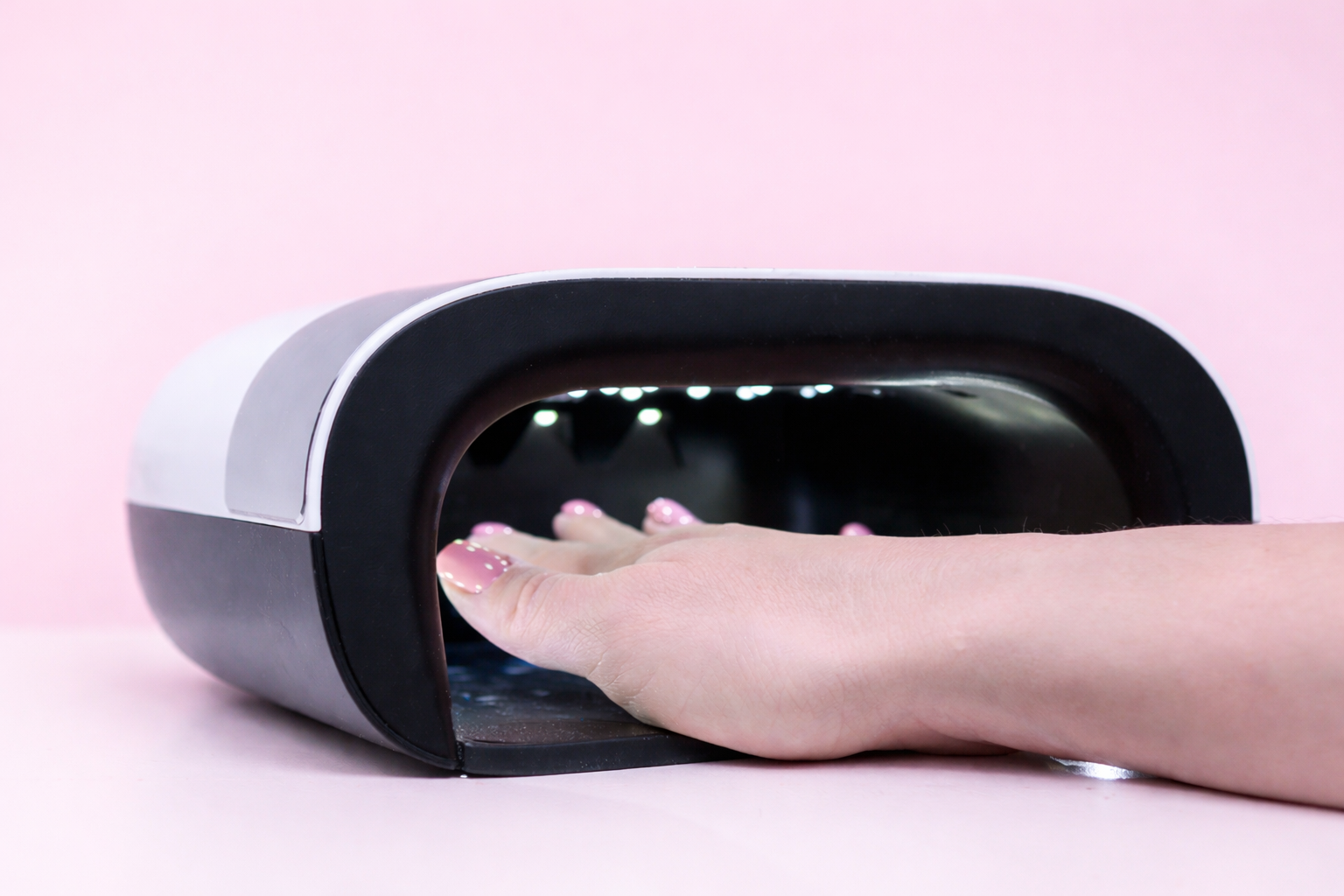
This is one of the most discussed fears in the nail industry — and a very understandable one.
Modern LED and UV lamps do emit ultraviolet light; however, several factors are important. First, the exposure dose is extremely low. Second, exposure time is limited to just a few seconds during curing. As a result, with standard use, the risk to skin is considered minimal.
Still, if you want extra peace of mind, there are simple protective measures: applying SPF cream to your hands before the procedure or using special fingerless UV gloves.
Conclusion: Yes, there is some risk, but it is minimal and easily controlled with proper precautions.
Myth #5: Nails need a “break” from gel polish
Breaks between applications are not inherently necessary. If the nails are healthy, the technique is correct, and proper care is maintained, gel polish can be worn continuously without a “rest period.”
However, if nails are weakened, thin, or damaged, taking a break can indeed be beneficial and support recovery.
Conclusion: A “break” is not a universal rule, but a recommendation depending on nail condition.
When gel polish can actually be harmful
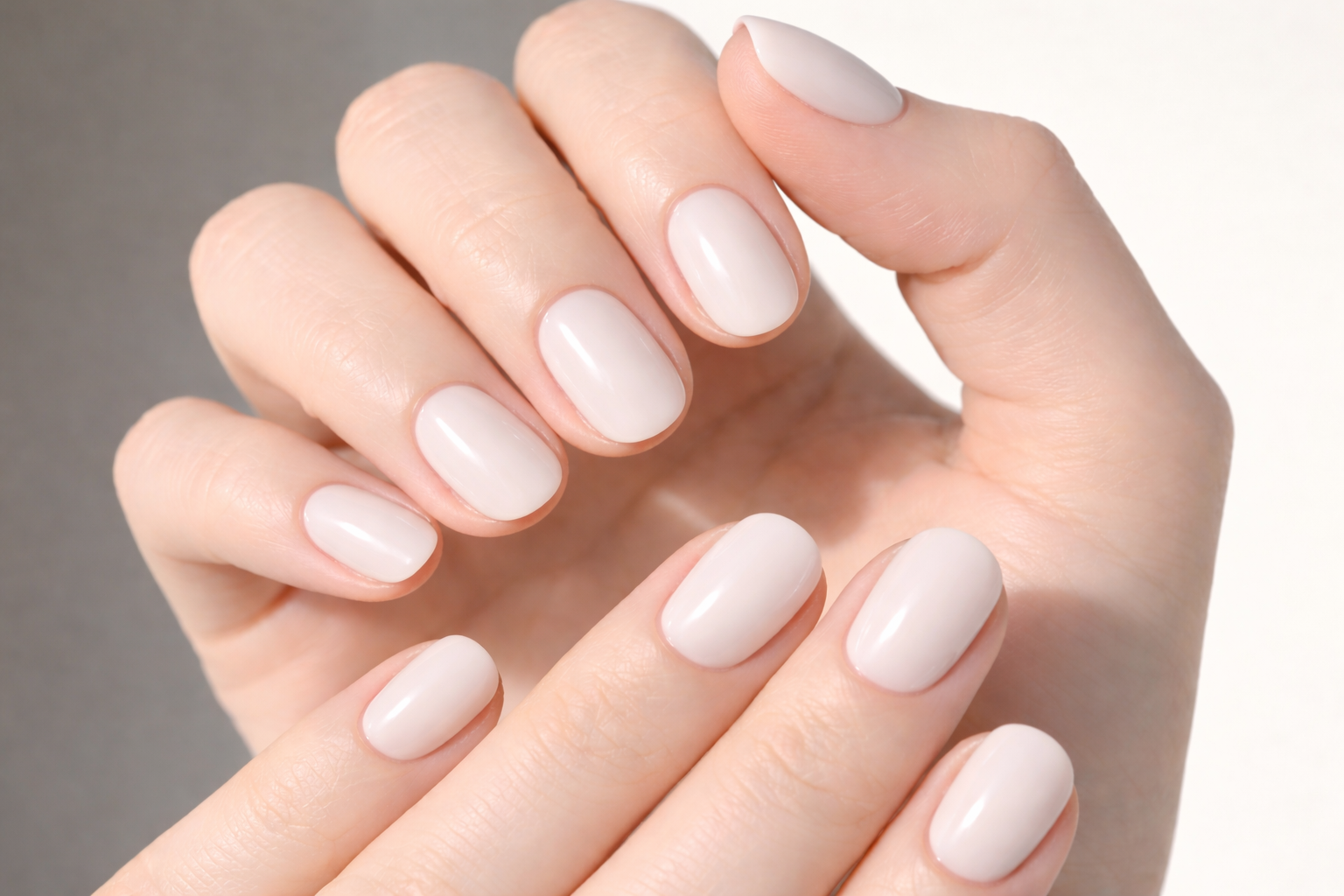
Let’s be honest: damage is possible only in certain cases, such as when:
• low-quality or cheap products are used;
• application technique is violated;
• the coating is removed by peeling it off the nail plate;
• there is no basic nail and cuticle care;
• there is an individual allergic reaction to ingredients.
• application technique is violated;
• the coating is removed by peeling it off the nail plate;
• there is no basic nail and cuticle care;
• there is an individual allergic reaction to ingredients.
How to make gel polish safe for nails
To minimize risks and maintain healthy nail plates, it is important to follow a few simple but key rules:
• go to a qualified technician who follows proper application technique;
• never remove gel polish yourself or peel it off — this damages the nail plate;
• use cuticle oil daily to maintain hydration and elasticity;
• if nails are thin or weak, consider strengthening treatments recommended by a technician;
• do not wear the coating longer than 3–4 weeks to avoid stress and lifting;
• never remove gel polish yourself or peel it off — this damages the nail plate;
• use cuticle oil daily to maintain hydration and elasticity;
• if nails are thin or weak, consider strengthening treatments recommended by a technician;
• do not wear the coating longer than 3–4 weeks to avoid stress and lifting;
Regular care and correct technique are the foundation of beautiful and healthy nails, even with continuous wear.
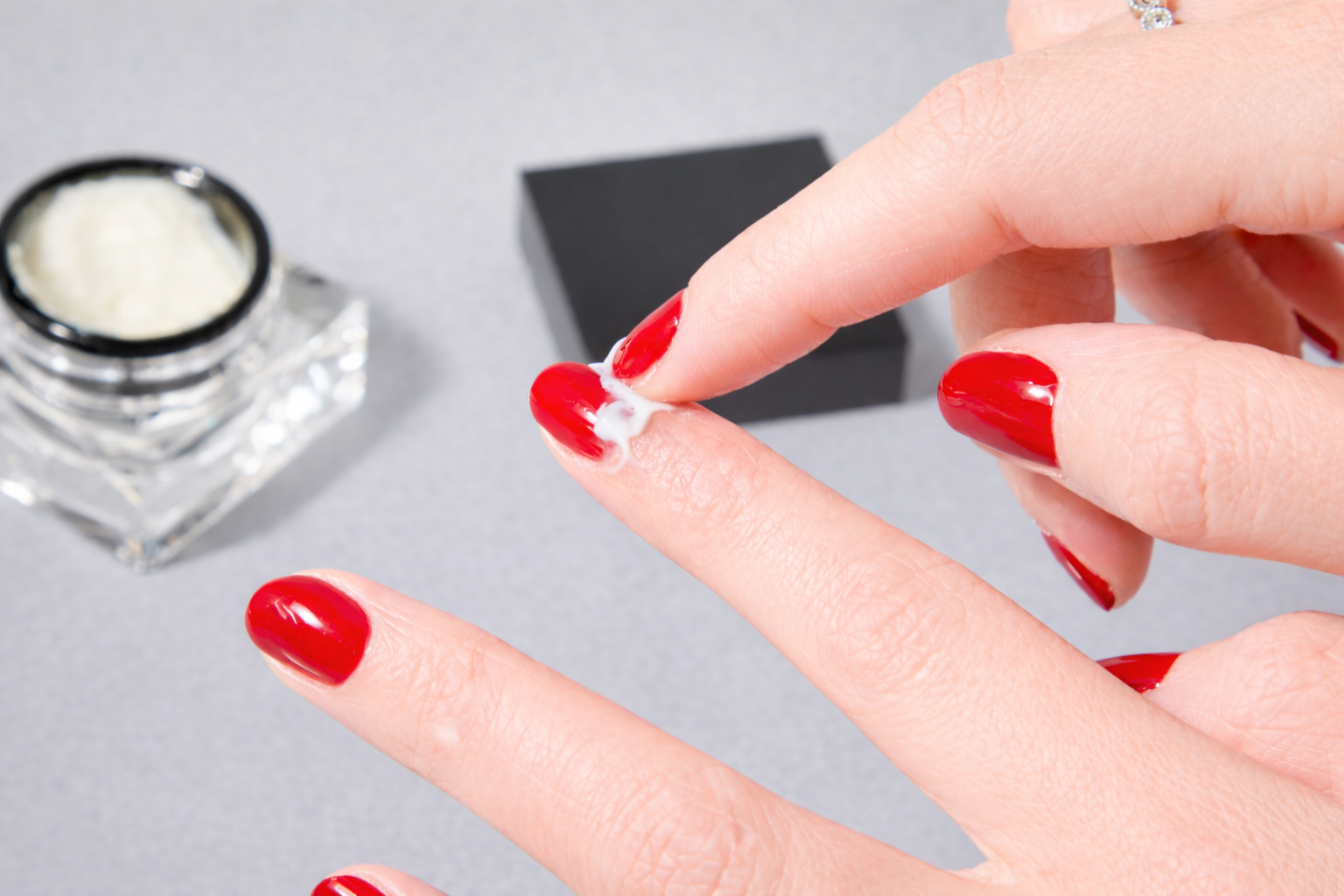
Gel polish manicure is a safe procedure when performed correctly. Gel polish itself does not damage the nail plate — problems arise only when techniques are violated, poor-quality materials are used, or proper aftercare is neglected.
Gel polish is not the enemy of your nails, but simply a tool. And like any tool, it can be either safe or harmful — everything depends on how it is used.
With high-quality materials and an experienced technician, your manicure will be not only beautiful but also safe for the nail plate.
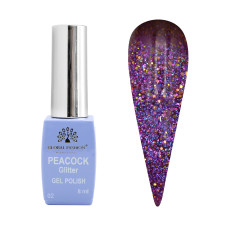
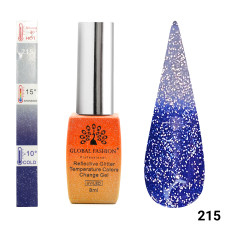
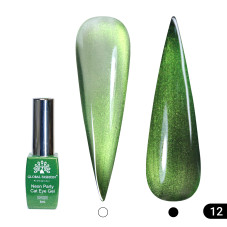
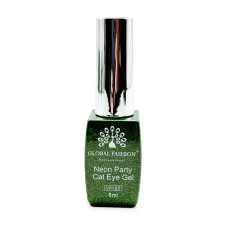
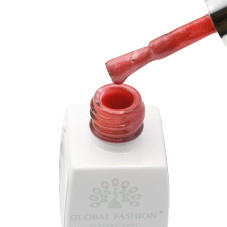
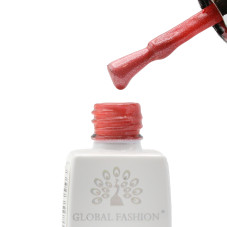
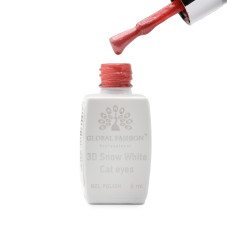
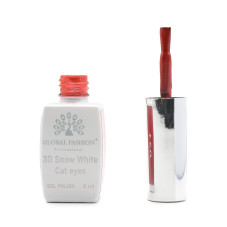
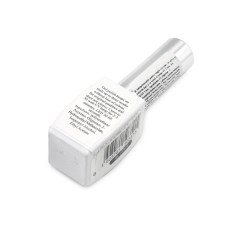
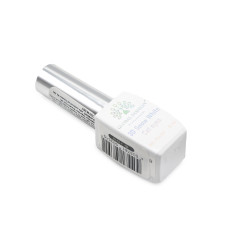
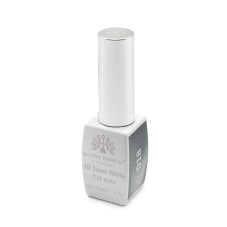
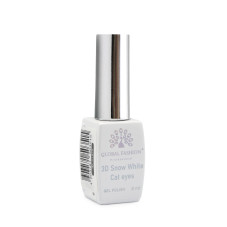
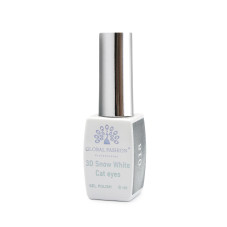
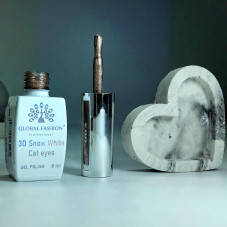
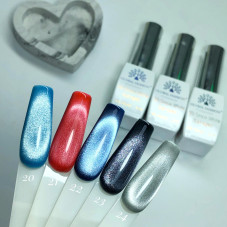
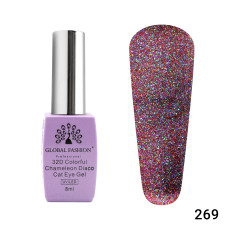
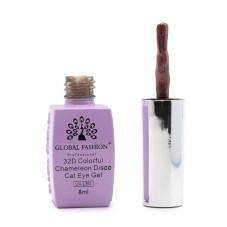
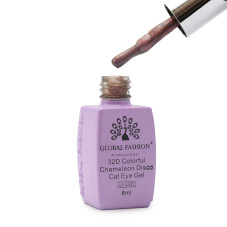
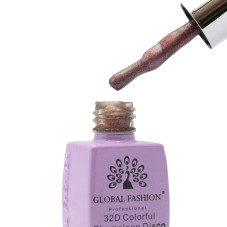
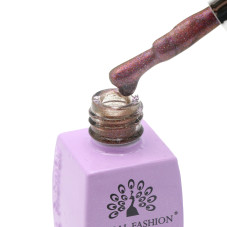
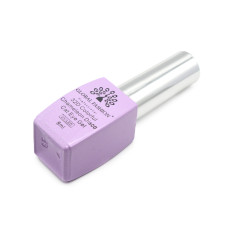
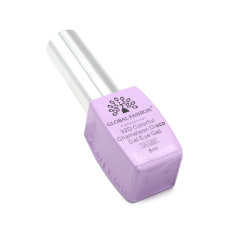
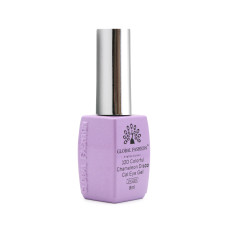
Professional nail gel polish
97 bought
ID: 12157
50 MDL
-50%
MORE GEL POLISHES HERE
Published: 21.04.2026 08:39
Times Read: 410
8347 bought
ID: 3678
120 MDL

3894 bought
ID: 3688
180 MDL