How to Care for Your Cuticles at Home: A Simple Micellar Water Hack for a Long-Lasting Manicure

Freshly done nails look flawless, but after just a few days, the cuticles can become noticeable again. The polish still looks perfect, yet dry skin around the nails can take away from the appearance of well-groomed hands. Scissors and cuticle nippers can often cause hangnails, scratches, and minor injuries. Fortunately, nail technicians recommend a simple and gentle care method that helps keep the cuticles neat without damaging the skin.
How does this method work?
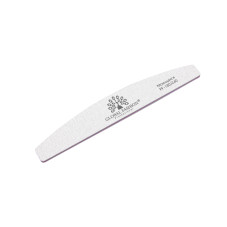
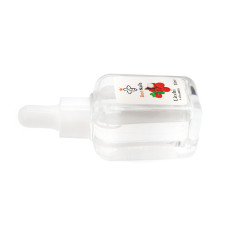
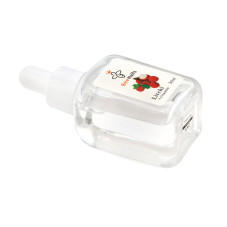
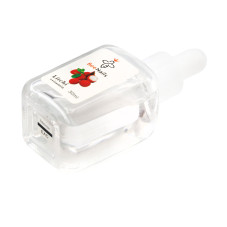
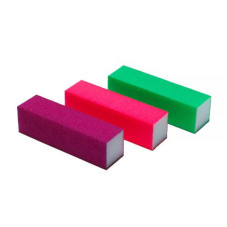
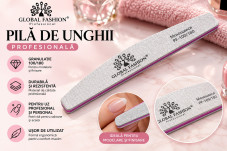
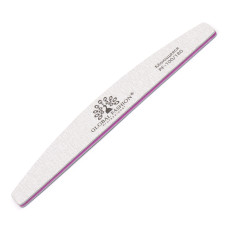
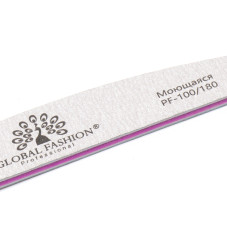
Micellar water softens rough skin and makes the cuticle more flexible. Just one drop is enough to gently smooth the area afterward with a fine-grit buffer or nail file. There is no need to cut the cuticle: the buffer removes only dead skin cells without damaging healthy skin.
How to use micellar water for cuticle care
Wash and dry your hands thoroughly. Apply one drop of micellar water to the cuticle of each finger. While the skin is soft, gently move the buffer over the cuticle in one direction, without applying pressure.
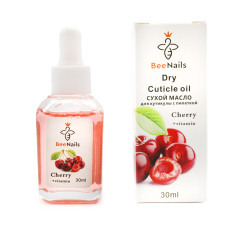
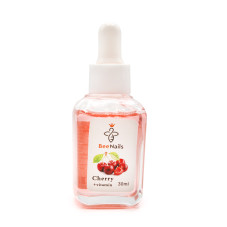
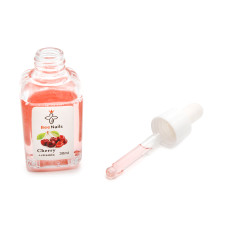
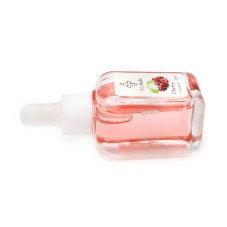
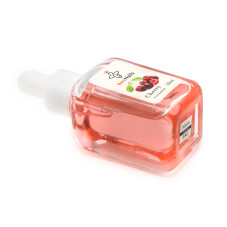
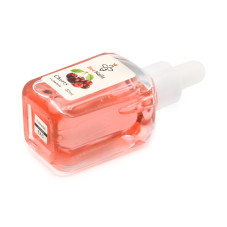
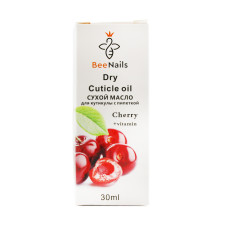
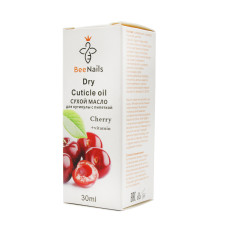
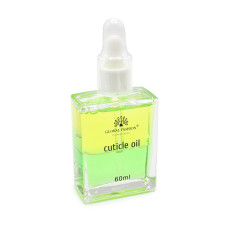
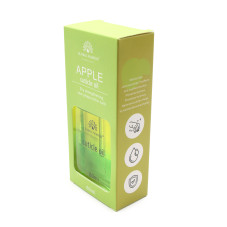
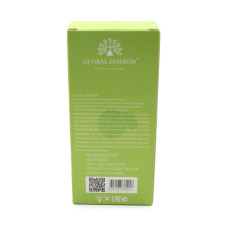
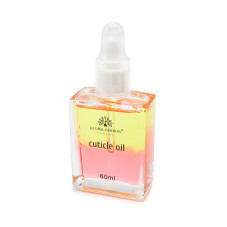
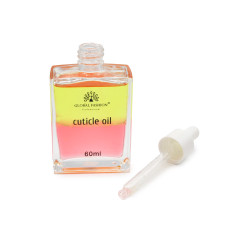
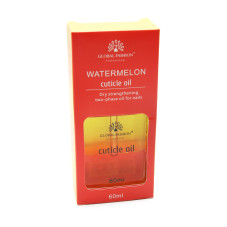
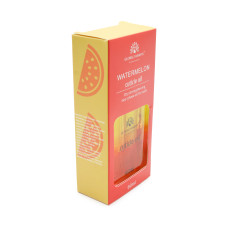
Finish by applying cuticle oil or a nourishing hand cream to keep the skin moisturized and well cared for.
35 bought
ID: 24588

90 MDL
Tip: Slightly dampen the buffer with water before use. This will help it glide more gently over the skin and reduce the risk of irritation.
Why is this method safer than using cuticle nippers?
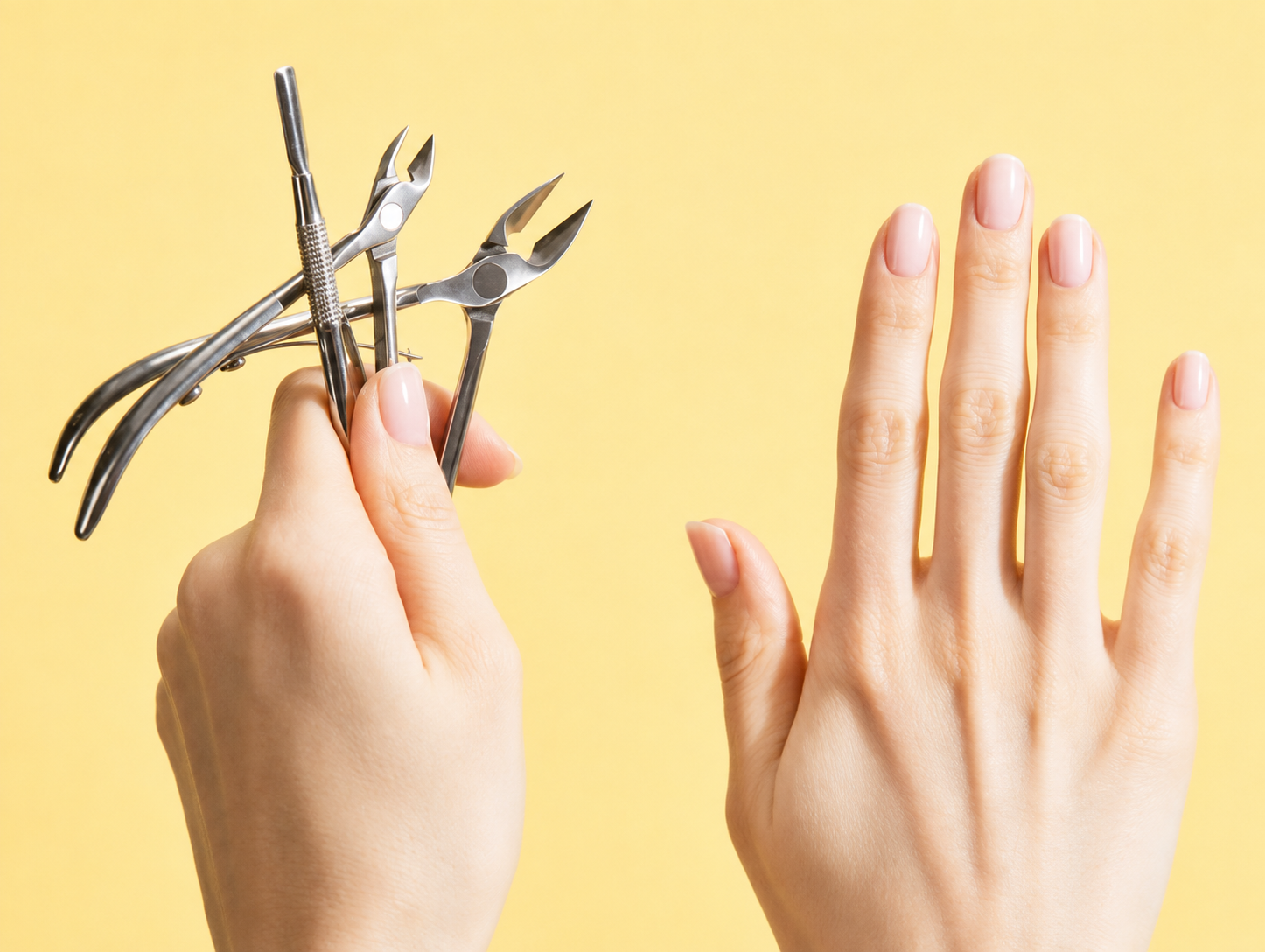
A classic manicure can be quite traumatic. Even a professional can accidentally remove too much skin, while the risk is even higher when doing it at home. Cutting the cuticle can lead to hangnails, irritation, and inflammation. The buffer method is much gentler and eliminates the risk of cuts: there is no need to cut, pull, or tear the skin.
How often should you do it and what should you know?
Buffing can be done every 2–3 days, but avoid treating the skin too frequently—it needs time to recover. For the best results, it is enough to repeat the procedure every 3–4 days and apply cuticle oil between treatments. Choose alcohol-free micellar water, as alcohol can dry out the skin and cause irritation.
What you should avoid
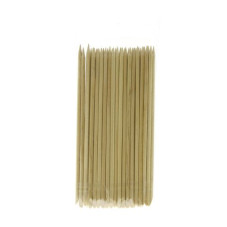
Do not use this method if the skin around the nail is inflamed, irritated, or damaged. Allow the skin to recover first, and only then use a buffer. If the cuticle has grown significantly, a buffer will not remove it completely—it is better to visit a nail technician or gently push it back with an orange wood stick.
Finish by moisturizing the skin thoroughly to keep it soft, smooth, and well cared for.


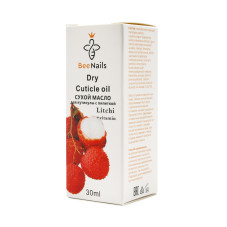
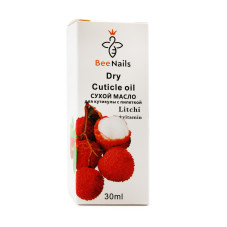
69 bought
ID: 24584
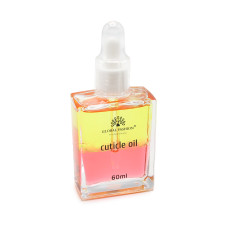
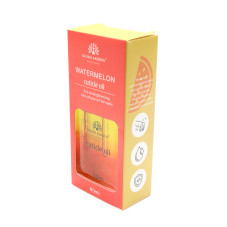
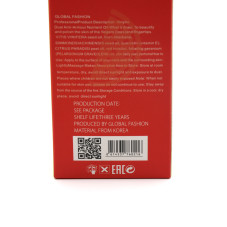
90 MDL
42 bought
ID: 24586
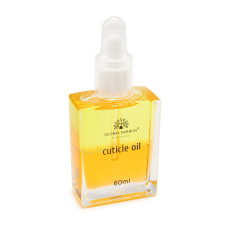
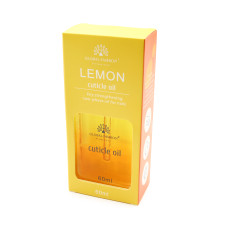
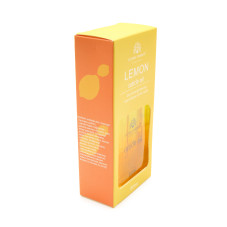
90 MDL
Why do nail technicians recommend this method?
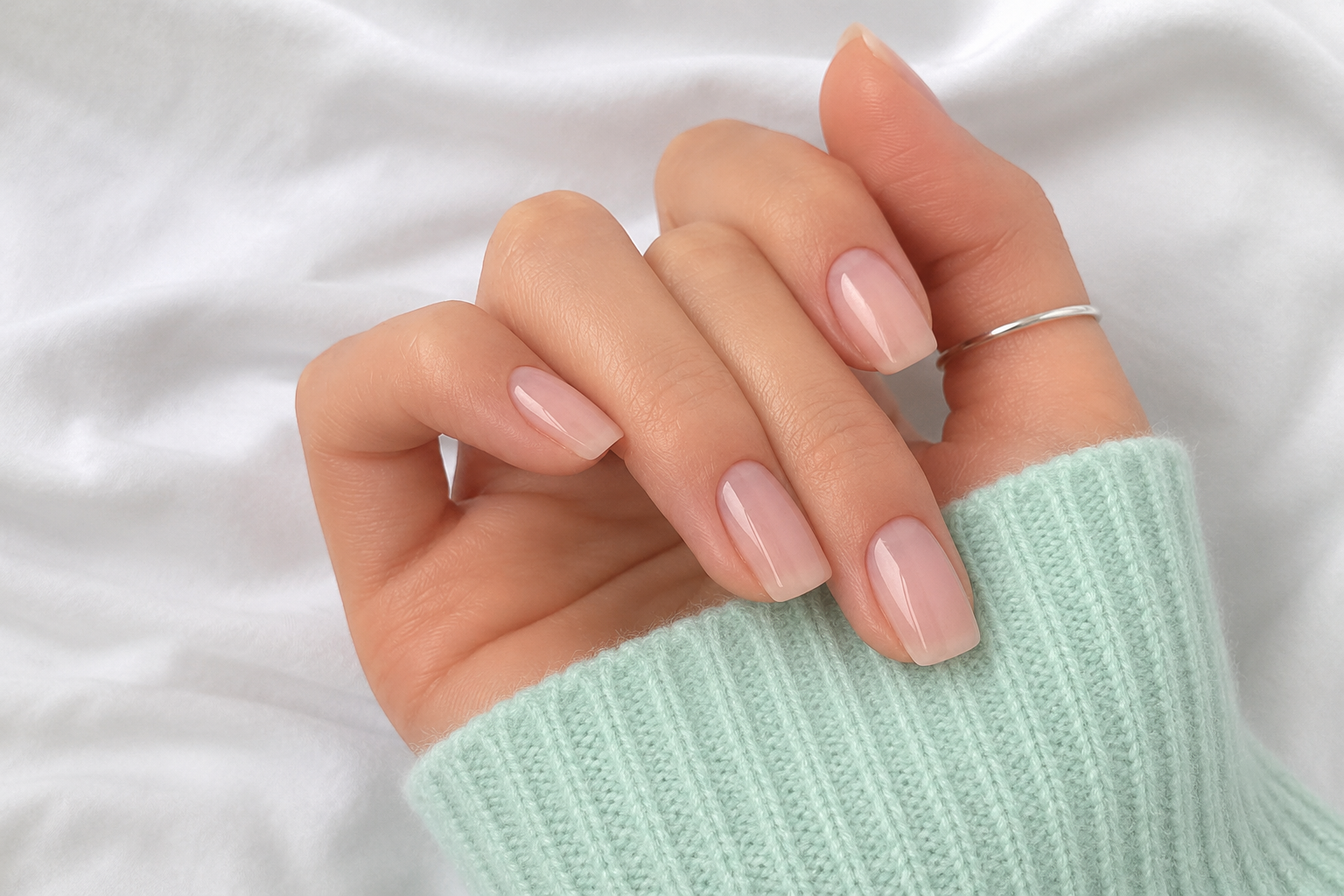
In Japan, cuticles are not cut but gently buffed—a soft and gentle care technique that is gradually becoming more popular in the Republic of Moldova as well. Cuticle nippers are used only to remove already detached hangnails. For everyday care, a soft buffer and cuticle oil are enough. This helps nails maintain a neat appearance for longer and can reduce the need for frequent salon visits.
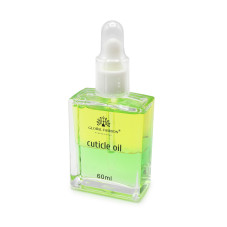
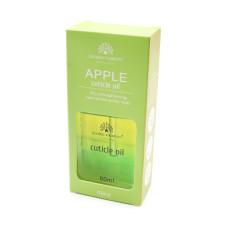
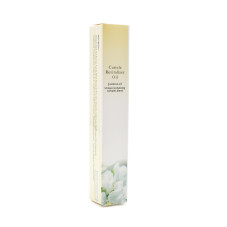
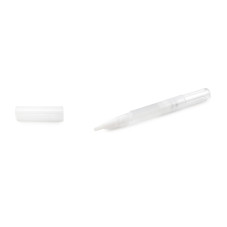
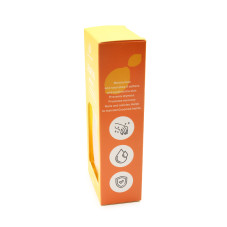
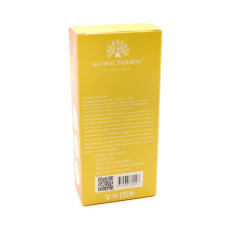
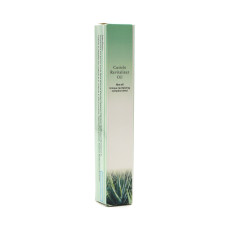
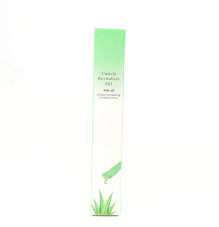
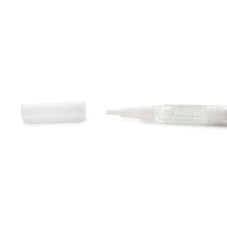
Tip: Keep cuticle oil in your handbag and apply it after washing your hands. For example, the cuticle oil pen from Global Fashion is a great option. It is convenient to carry in your handbag and use anytime your cuticles need extra moisture. Regular hydration helps keep the skin soft and well-groomed while reducing the appearance of hangnails.
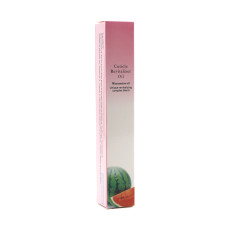
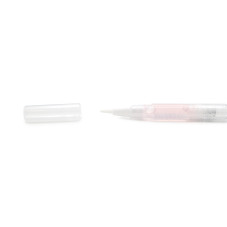
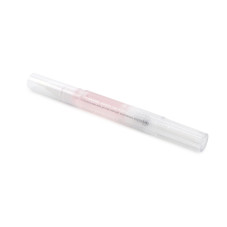
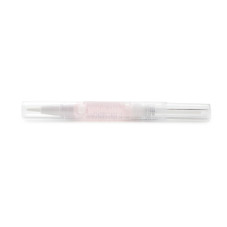
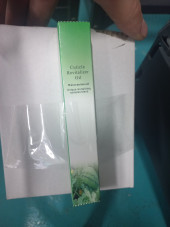
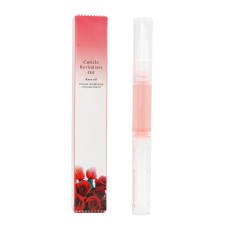
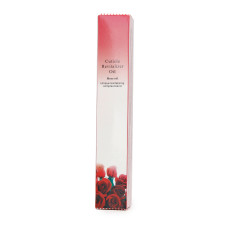
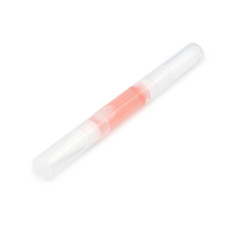
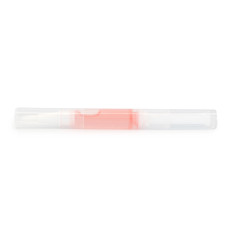
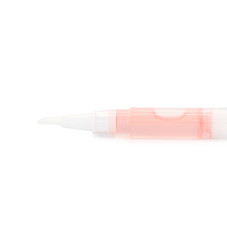
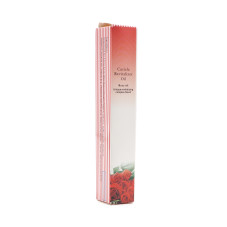
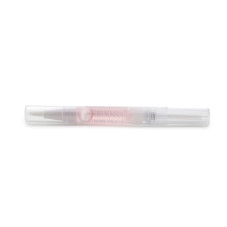
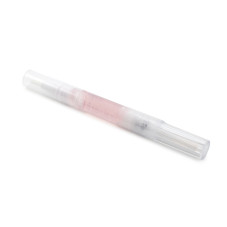
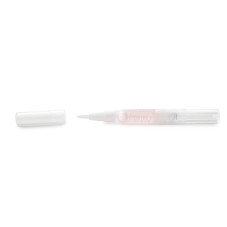
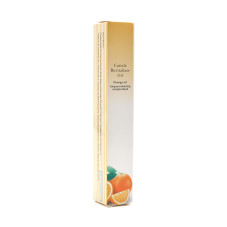
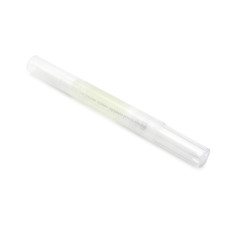
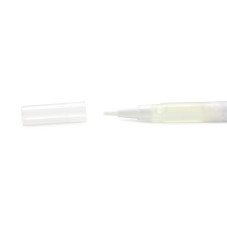
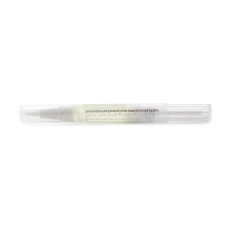
Well-groomed cuticles without the risk of damaging the skin? It’s easy. Micellar water and a soft buffer gently soften and smooth the cuticle, offering a delicate alternative to cuticle nippers. The entire procedure takes just a few minutes, and the neat result can last for several days. The method is suitable for different skin types, except areas with inflammation. Just one drop is enough to quickly refresh your hands at home—without a salon visit or unpleasant cuts.
Published: 21.08.2026 15:44
Times Read: 1465
8347 bought
ID: 3678
120 MDL
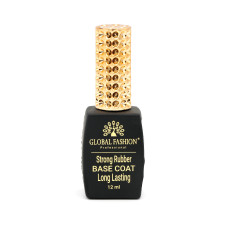
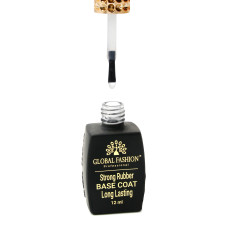
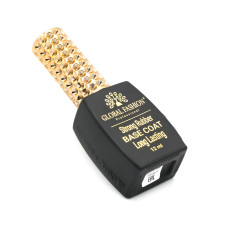
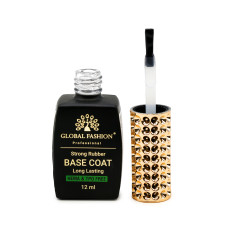
3894 bought
ID: 3688
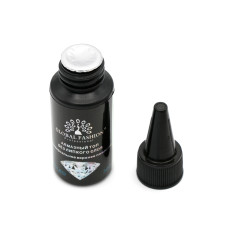
180 MDL