How to Choose a Nail Technician: 5 Key Criteria to Consider

A manicure is not just about nail care. It is also an opportunity to take a break from everyday worries, dedicate some time to yourself, and enjoy a little self-care. To make every salon visit a pleasant experience, it is important to entrust your hands to a true professional.
In this article, we’ll explain what to look for when choosing a nail technician, how to recognize a qualified professional, and how to avoid disappointment after your appointment.
1. Safety Comes First
Your safety and health should always be the top priority. Here are a few important things to keep in mind:
• Sterilized tools should be stored in a sealed sterilization pouch, which the technician opens in your presence immediately before the procedure;
• Disposable items such as nail files, buffers, orange sticks, and other single-use materials should never be reused;
• A manicure should not cause pain or discomfort. If you feel excessive heat from the e-file or notice the drill bit damaging your natural nail, let the technician know immediately. A true professional will never ask you to put up with discomfort but will adjust the e-file speed and settings to ensure the procedure is safe and comfortable.
Key Takeaways
You can assess a nail technician’s professionalism by looking at the results. Your nails should retain their natural strength, smoothness, and proper thickness, without damage caused by filing. Before starting, an experienced technician will assess the condition of your natural nails and recommend the most suitable shape and type of coating based on their individual characteristics.
2. Understanding Individual Specialties
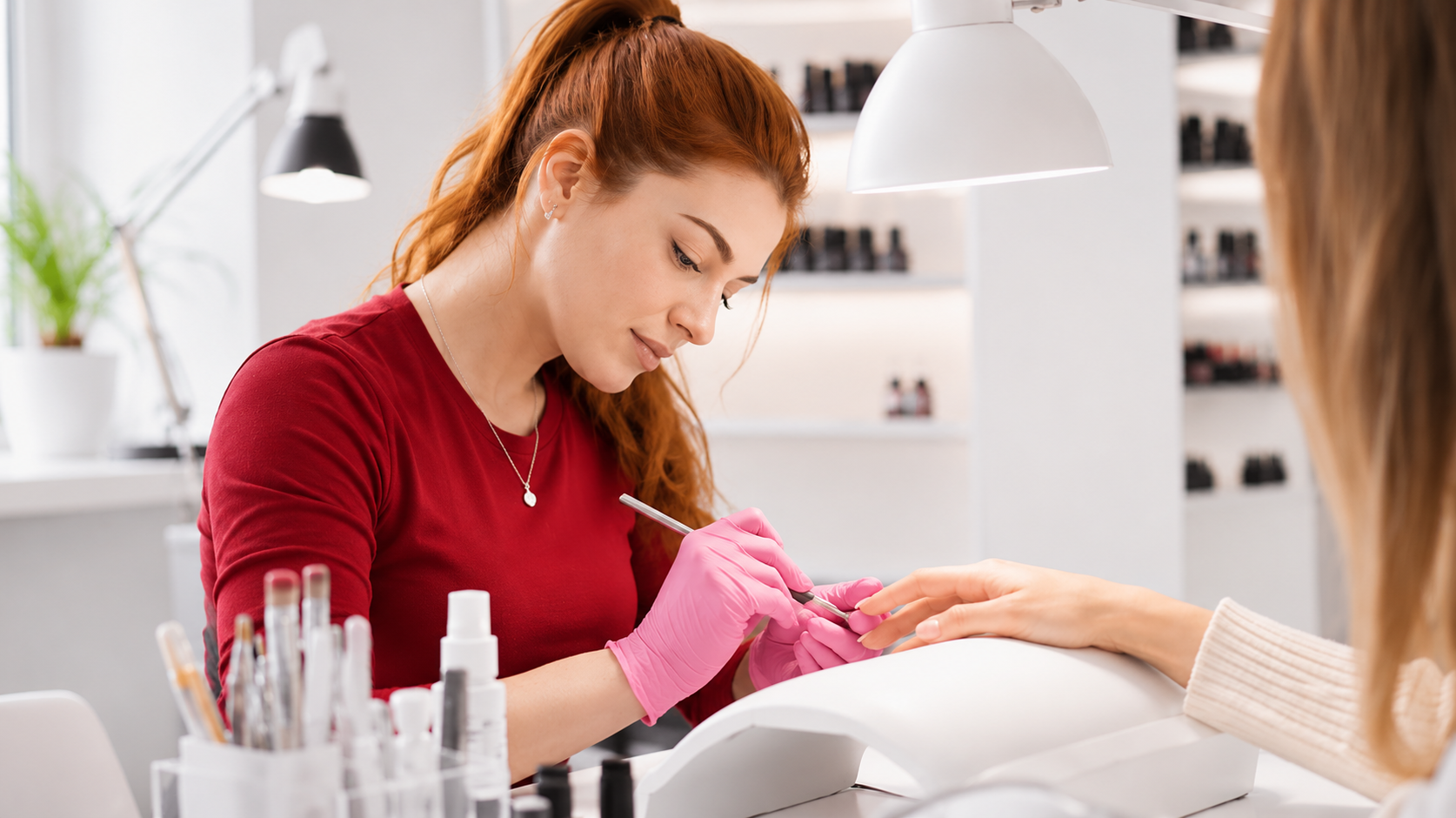
You might think that a good nail technician should master every technique, from basic manicures and nail extensions to intricate nail art. In reality, however, every professional has their own areas of expertise.
Key Takeaways
Creating intricate nail designs is a specialized skill, not a requirement for every competent nail technician. A professional may excel at classic manicures and applying solid-color polish without offering elaborate hand-painted designs. What matters most is following the correct techniques, prioritizing client safety, and delivering long-lasting results.
Before booking an appointment, think about the manicure style you prefer: eye-catching long nails, understated nude shades, an elegant French manicure, or neat, natural-looking nails without decorative polish. This will make it easier to find a technician whose skills match your expectations.
3. Courtesy, Tact, and Respect
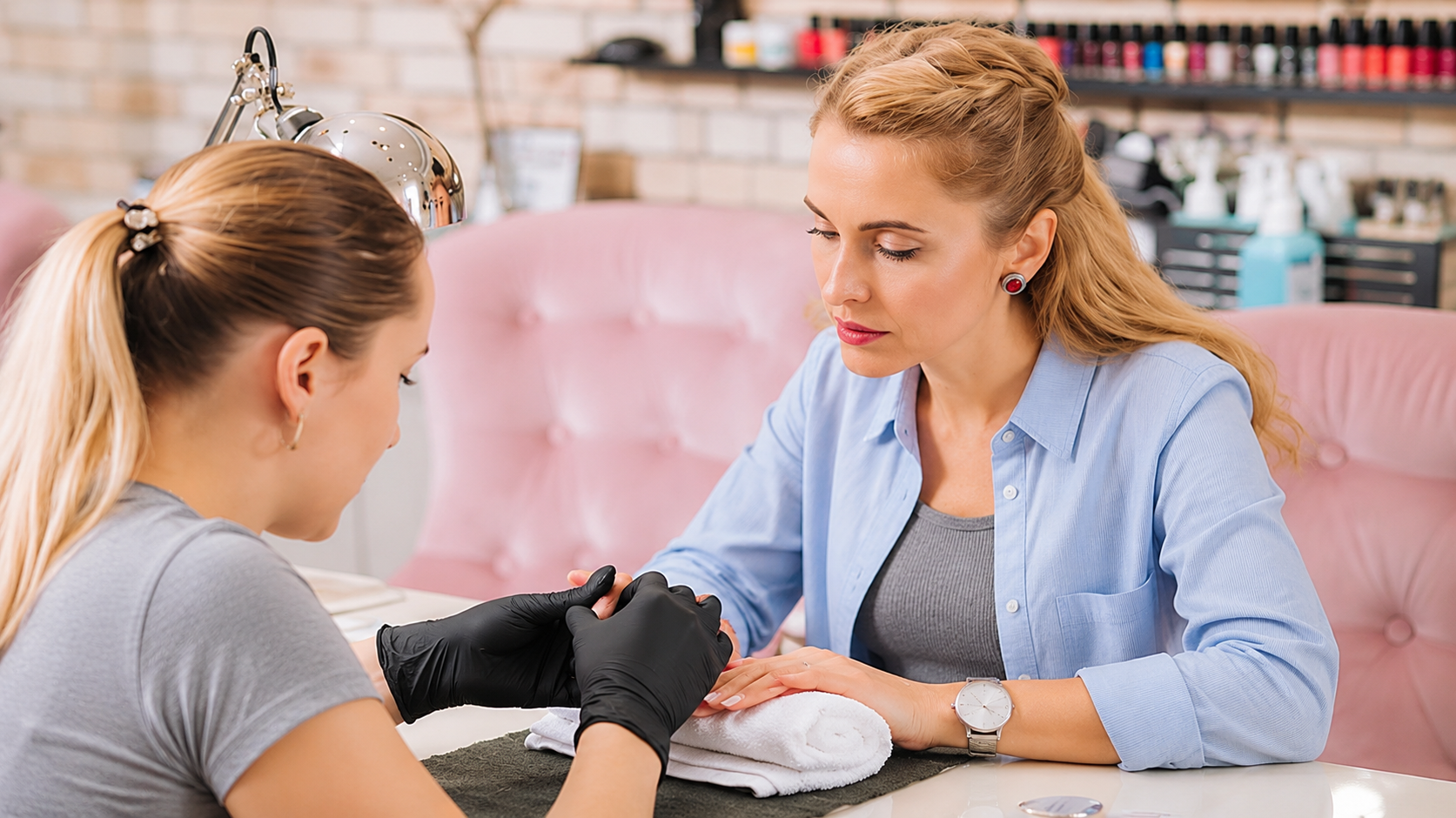
A manicure appointment typically takes between 1.5 and 2.5 hours, so it is important to feel comfortable with the person working on your nails. An experienced technician knows how to adapt to each client: they will happily engage in conversation or give you some quiet time if you prefer to relax.
Key Takeaways
• A skilled professional focuses on achieving the best results rather than pointing out mistakes made by other technicians. They will carefully refine your nail shape and correct any imperfections in the coating;
• A professional respects your preferences, never imposes their own choices when it comes to colors or designs, and leaves the final decision up to you;
• A responsible technician understands the limits of their expertise. If they suspect onycholysis or a fungal infection, they will recommend consulting a dermatologist or podiatrist.
4. Continuous Professional Development
Certificates from training courses and diplomas displayed on salon walls do not automatically guarantee a high level of expertise. What matters much more is how consistently a technician improves their skills and keeps up with new developments.
Key Takeaways
Even years of experience do not necessarily indicate a high level of professionalism. If a technician has spent ten years in the industry but has attended only a few basic training courses, it may be worth reconsidering your choice. The beauty industry is constantly evolving, with new techniques and products emerging all the time. A good nail technician should regularly update their skills and stay informed about modern approaches.
5. The Technician’s Actual Work
When browsing a nail technician’s or salon’s portfolio, focus primarily on the quality of the manicure rather than the styling of the photos, floral arrangements, or decorative details.
Key Takeaways
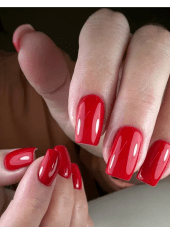
• The nail plate should look smooth and neat, without excess product around the cuticle or excessive thickness at the free edge;
• The skin around the nails should look clean and well-groomed, without cuts, irritation, redness, or loose bits of skin;
• The skin around the nails should look clean and well-groomed, without cuts, irritation, redness, or loose bits of skin;
• Pay attention to areas of skin around the nails that look overly smooth or unnaturally edited in photos. Sometimes retouching is used to hide injuries or poorly performed cuticle work.
If you are planning to visit a new technician for a specific or unusual request, such as correcting downward-growing nails, do not rely solely on their social media portfolio. Contact the salon, show the receptionist an example of the result you want, and ask which technician has the most experience with similar work.
Keep in mind that a manicure involves some degree of stress on your nails and the skin of your hands, so it is a good idea to give them time to recover after your salon visit. During the first 24 hours, try to avoid harsh cleaning products and abrasive materials. If you notice nail damage or irritation around the nail, be sure to inform the salon receptionist. They can pass the information on to the technician, who will assess the situation and recommend seeing a doctor if necessary.
A true professional always cares not only about the beauty of your hands but also about their health. Choose a nail technician you can trust and enjoy a flawless manicure!
Published: 23.11.2026 19:30
Times Read: 6
8501 bought
ID: 3678
84 MDL
-30%
2993 bought
ID: 3650

63 MDL
-30%
3946 bought
ID: 3688


126 MDL
-30%

1456 bought
ID: 3658




91 MDL
-30%


